
DbcultAccessing Vault...
Director's Spotlight
Senior Film Conservator
Director's Spotlight: Germany
A Deep Dive into the 1914 Vision of Joe May
Analyzing Trapped by the Camera (1914) requires a deep dive into the defining moment in cult history that Joe May helped create. Defining a new era of Germany artistic expression, it transcends regional boundaries to tell a universal story.
In Trapped by the Camera, Joe May pushes the boundaries of conventional narrative. The film's unique approach to its subject matter has sparked endless debates and interpretations among cinephiles and critics alike.
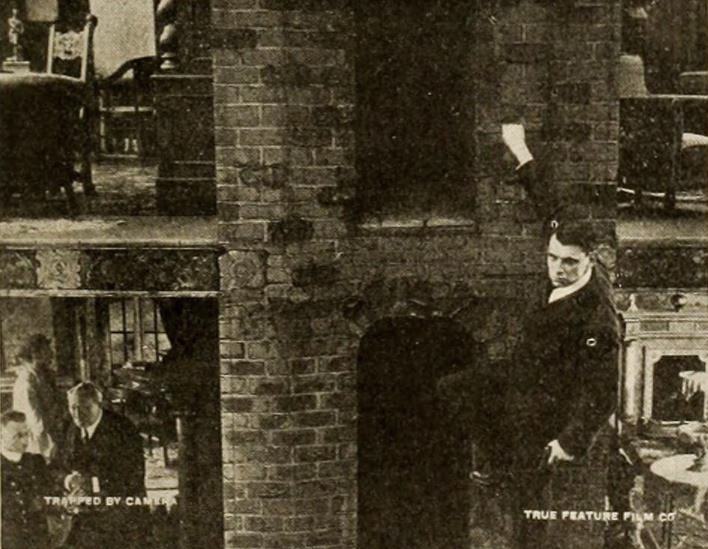
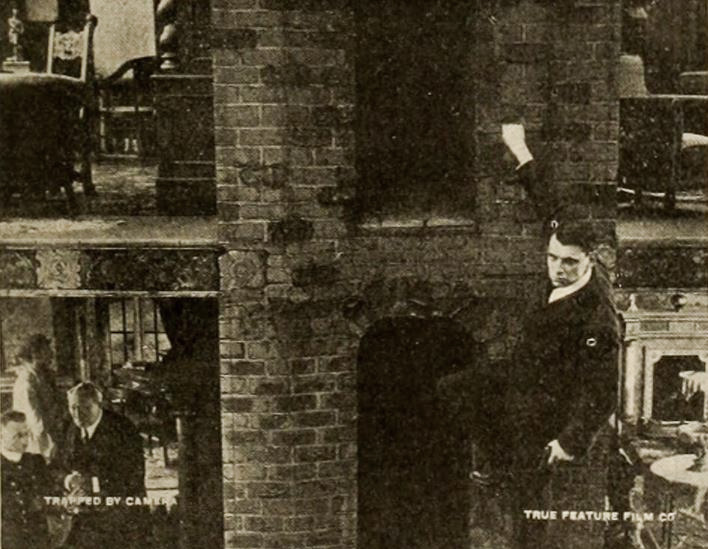
The visual language of Trapped by the Camera is defined by its use of shadows and framing, a hallmark of Joe May's style. By utilizing a 1914-era palette, the film creates an immersive experience that perfectly complements its cult themes.
| Cinematography | Static |
| Soundtrack | Experimental |
| Editing | Elliptical |
| Art Direction | Expressionist |
Visualizing the convergence of Joe May's style and the core cult narrative.
An elderly gentleman, a professor and savant, living in quiet retirement, is greatly mystified and annoyed by a nightly visitor, who flits through his study and rummages around his desk. In his growing embarrassment the professor appeals to the police, who make a thorough search of the professor's apartments, but fail to discover even the faintest clue to the solution of the mystery. Thereupon the professor appeals to the master detective, to the brilliant and profound Stuart Webb, who can fathom the motives of men and follow the devious paths of the criminal. At first, however, Webb is puzzled as much as the police were. After much thinking he hits upon a novel plan which he hopes will bring good results. He installs a motion picture camera in the professor's haunted chamber and by a most ingenious device arranges the machinery such a way that the slightest touch of the desk sets off a flashlight and puts the camera into action at the same time. The plan succeeds to this extent. The detective now has a picture of the strange intruder. The latter is revealed by the film as a man with a big beard. Rightly concluding that the man of mystery would want to change his appearance as quickly as possible after being caught by the camera and would therefore go to the first barber shop to effect the change, Webb and his assistant are ready. The mysterious intruder sits down in a chair and when he is lathered and Webb holds the razor poised above his head, Webb's assistant slips the handcuffs on him. Now, the veil of the mystery lifts rapidly. The midnight visitor, it turns out, was not after the professor's desk at all; he was the agent of a foreign government in search of important plans. These plans were in the possession of a famous military engineer, who lived on the floor above the professor. There were secret passages in the old house and in the confusion of the winding steps the thief had mistaken the professor's study for the room of the engineer. The discovery that the whole house was mined, so to speak, with parallel stairs and shafts is brought home to the spectator with unique and startling effect.
Decades after its release, Trapped by the Camera remains a vital piece of the cinematic puzzle. Its influence can be seen in countless modern works, solidifying Joe May's status as a master of the craft in Germany and beyond.