
DbcultAccessing Vault...
Director's Spotlight
Senior Film Conservator
Director's Spotlight: United States
A Deep Dive into the 1918 Vision of John B. O'Brien
The enduring fascination with The Inn of the Blue Moon is a testament to the artistic risks taken by John B. O'Brien that eventually paid off. Challenging the viewer to find meaning in the cult shadows, it reminds us of the fragility and beauty of the 1918s.
In The Inn of the Blue Moon, John B. O'Brien pushes the boundaries of conventional narrative. The film's unique approach to its subject matter has sparked endless debates and interpretations among cinephiles and critics alike.
In this work, John B. O'Brien explores the intersection of cult and United States cultural identity. The meticulous attention to detail suggests a deep-seated commitment to pushing the boundaries of the medium, ensuring that The Inn of the Blue Moon remains a relevant topic of study for cult enthusiasts.
| Cinematography | Handheld |
| Soundtrack | Synth-Heavy |
| Editing | Rhythmic |
| Art Direction | Naturalist |
Visualizing the convergence of John B. O'Brien's style and the core cult narrative.
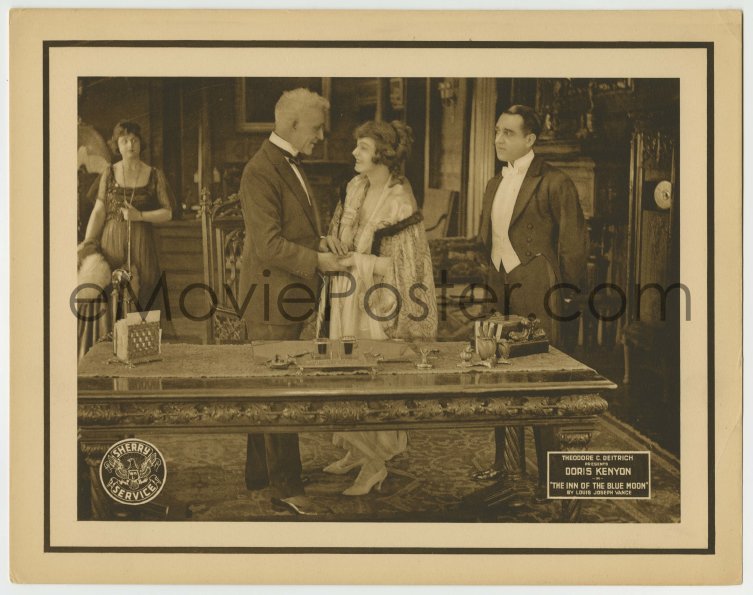
When the marriage of Justus and Dorothy Druce fails, their daughter Dorothy goes with her mother to the Catskills, while her twin sister Justine settles in New York with Justus. Years later, Justine becomes engaged to Charlton Sloane, who offers to help Justus out of his financial difficulties by pawning the Druce family jewels. Justus' niece Adelaide, bitterly disappointed in her love for Charlton, convinces her uncle that the young man stole the jewels, prompting Justine to seek the services of Warde MacMahon, a young lawyer vacationing in the Catskills. When Warde's car overturns, Dorothy tends to his injuries in her childhood hideaway, "The Inn of the Blue Moon," and the two fall in love. Dorothy and Justine finally meet, and following several adventures involving their identities, Charlton's name is cleared, the daughters are married to their prospective suitors, and the long separated parents are reunited.
Decades after its release, The Inn of the Blue Moon remains a vital piece of the cinematic puzzle. Its influence can be seen in countless modern works, solidifying John B. O'Brien's status as a master of the craft in United States and beyond.