
DbcultAccessing Vault...
Director's Spotlight
Senior Film Conservator
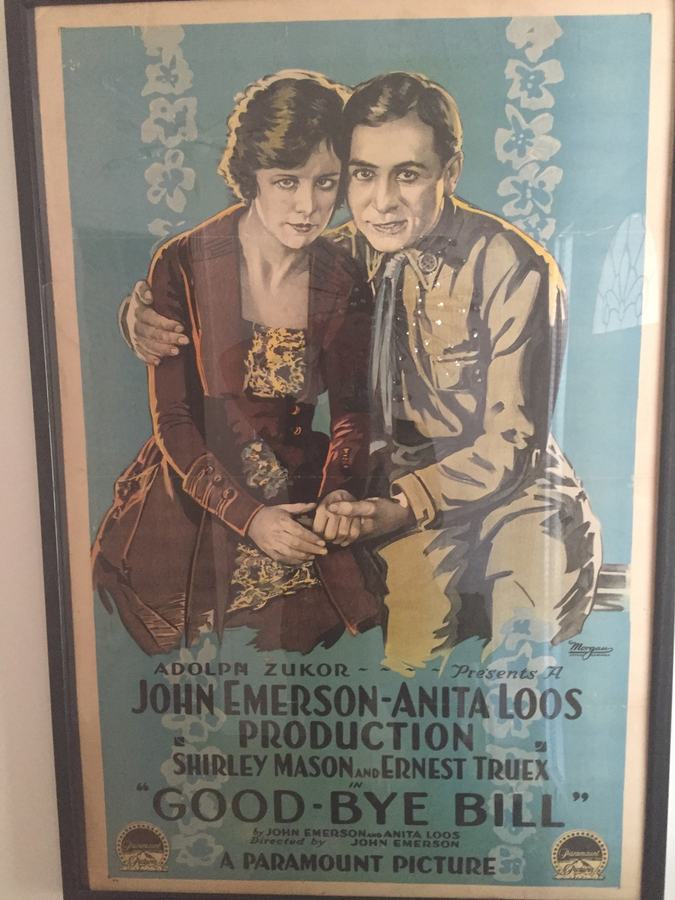
Director's Spotlight: United States
A Deep Dive into the 1918 Vision of John Emerson
As we revisit the 1918 masterpiece Good-Bye, Bill, we are struck by the atmospheric immersion that John Emerson achieves throughout Good-Bye, Bill. Exploring the nuances of the human condition with cult flair, it solidifies John Emerson's reputation as a master of the craft.
In Good-Bye, Bill, John Emerson pushes the boundaries of conventional narrative. The film's unique approach to its subject matter has sparked endless debates and interpretations among cinephiles and critics alike.
The visual language of Good-Bye, Bill is defined by its use of shadows and framing, a hallmark of John Emerson's style. By utilizing a 1918-era palette, the film creates an immersive experience that perfectly complements its cult themes.
| Cinematography | Deep Focus |
| Soundtrack | Diegetic |
| Editing | Rhythmic |
| Art Direction | Naturalist |
Visualizing the convergence of John Emerson's style and the core cult narrative.
During World War I, Herr Dresser, a German-American professor from West Hoboken, New Jersey, invents a "mustache fixer," which stiffens the whiskers, making the wearer look very fierce. Much to the consternation of Dresser's daughter Elsie, a patriotic American, Kaiser Wilhelm calls them to Berlin to begin mass production of the tonic for the German army. Elsie's boyfriend, Teddy Swift, is particularly disturbed by this turn of events and decides to earn enough money to follow her to Germany. When the United States joins the war, Teddy is among the first to enlist, and soon he finds himself in Berlin trying to help Elsie escape from prison. After several narrow escapes, the two make their way to the mustache factory and blow it up. Brought before the Kaiser, they are rescued when American troops storm the palace, and the Kaiser loses his mustache and the war.
Decades after its release, Good-Bye, Bill remains a vital piece of the cinematic puzzle. Its influence can be seen in countless modern works, solidifying John Emerson's status as a master of the craft in United States and beyond.