
DbcultAccessing Vault...
Director's Spotlight
Senior Film Conservator
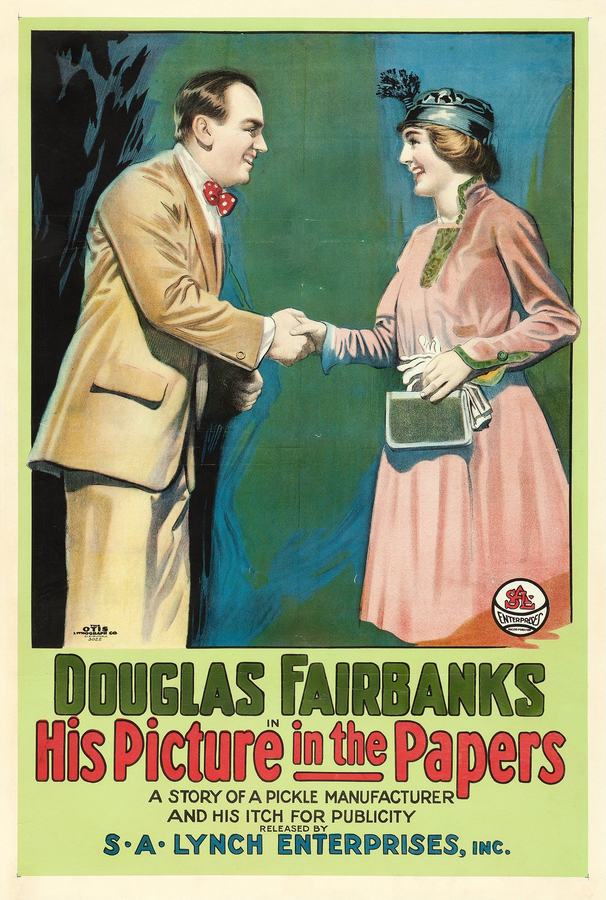
Director's Spotlight: United States
A Deep Dive into the 1916 Vision of John Emerson
The artistic breakthrough represented by His Picture in the Papers in 1916 highlights the philosophical inquiries that John Emerson embeds within the narrative. Framed by the hauntingly beautiful landscapes of the production, it leaves an indelible mark on the soul of the viewer.
In His Picture in the Papers, John Emerson pushes the boundaries of conventional narrative. The film's unique approach to its subject matter has sparked endless debates and interpretations among cinephiles and critics alike.
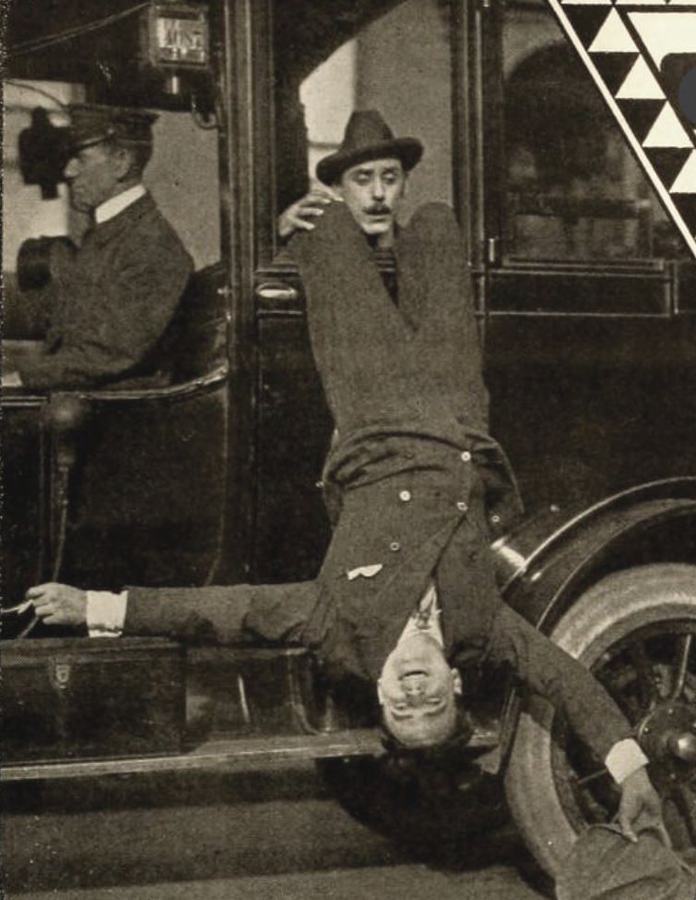
The visual language of His Picture in the Papers is defined by its use of shadows and framing, a hallmark of John Emerson's style. By utilizing a 1916-era palette, the film creates an immersive experience that perfectly complements its cult themes.
| Cinematography | Handheld |
| Soundtrack | Orchestral |
| Editing | Invisible |
| Art Direction | Kitsch |
Visualizing the convergence of John Emerson's style and the core cult narrative.
Pete Prindle wins the affections of Christine Cadwalader, but the father of the girl demands that Pete shall get a half interest in his father's food product company before he is allowed to marry her. Pete accepts the ultimatum. Proteus Prindle, father of Pete, is angry when he receives the request from his son. He shows how his two girls have broken into print with an illustrated article in Vegetarian Gazette. Pete offers to get his picture on the front pages of all the New York papers. Proteus gives Pete $100 and tells him not to come back till he makes good his boast. Pete wrecks an auto, wins a prize fight, swims to shore from a steamer and is locked up after a fight with the police. But none of these adventures net him more than a line or two in the papers. Then he foils a band of yeggs and rescues a train from being wrecked. Christopher and his daughter are on board and congratulate him. It ends with his getting his picture in all the metropolitan papers.
Decades after its release, His Picture in the Papers remains a vital piece of the cinematic puzzle. Its influence can be seen in countless modern works, solidifying John Emerson's status as a master of the craft in United States and beyond.