
DbcultAccessing Vault...
Director's Spotlight
Senior Film Conservator
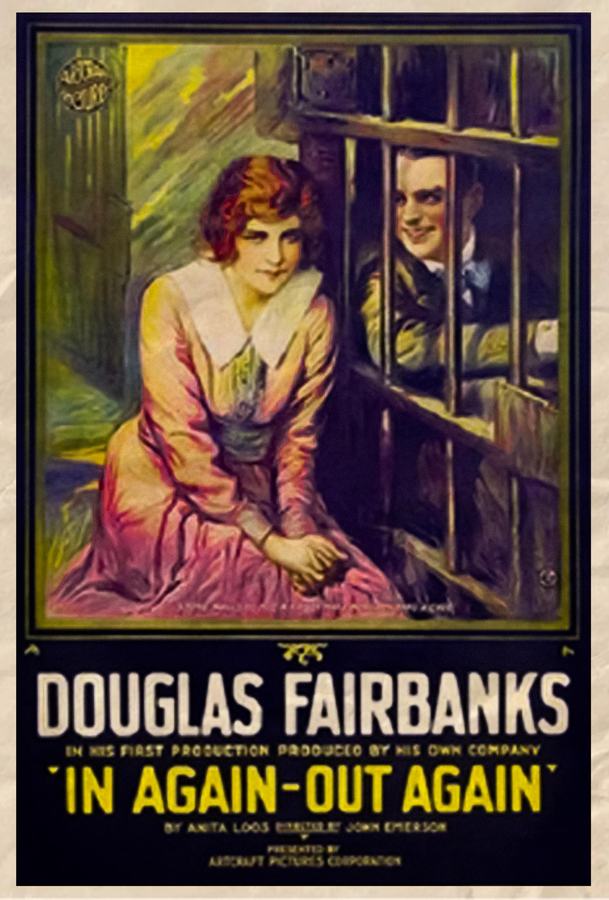
Director's Spotlight: United States
A Deep Dive into the 1917 Vision of John Emerson
Deciphering the layers of In Again, Out Again (1917) reveals a monumental shift in cult filmmaking spearheaded by John Emerson. With its avant-garde structure and atmospheric tension, offering layers of thematic complexity that demand repeated viewing.
In In Again, Out Again, John Emerson pushes the boundaries of conventional narrative. The film's unique approach to its subject matter has sparked endless debates and interpretations among cinephiles and critics alike.
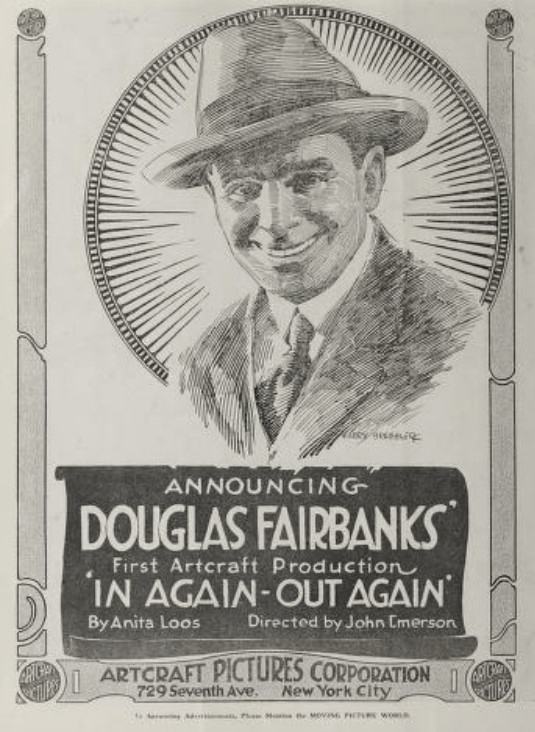
To fully appreciate In Again, Out Again, one must consider the cinematic climate of 1917. During this period, United States was undergoing significant artistic shifts, and John Emerson was at the forefront of this cult movement, often challenging established norms.
| Cinematography | Deep Focus |
| Soundtrack | Diegetic |
| Editing | Elliptical |
| Art Direction | Expressionist |
Visualizing the convergence of John Emerson's style and the core cult narrative.
In New Jersey lives Teddy Rutherford, a vigorous exponent of preparedness. Before the populace realize it, the community becomes a hive of munition manufacturers. Teddy falls in love with Pacifice Ford, who happens to be the daughter of an extreme pacifist When Teddy's courtship is refused in favor of a youthful pacifist, the youth vows that he is through with the fair sex for all time and imbibes freely in spirits nectareal. On awakening the next morning he finds himself in jail with a girl nursing his discolored optic, the cause for which he does not seem to be able to remember. After becoming acquainted with his fair nurse, Teddy decides that the world is not so bad after all, and when he learns that she is Janie Smith, the deputy sheriff's daughter who is never allowed to venture outside the prison grounds by her watchful parent, he welcomes with joy the information that he is sentenced for thirty days in jail. Someone's mania for placing bombs under Jersey ammunition plants and blowing them into the thin air disturbs the sheriff's peace of mind to the extent of promising the hand of his daughter to the person who can throw some light on the mystery. When his worries are at their height the sheriff discovers the new trend of Janie's affections and orders the prison authorities to allow Teddy to go free on the ground that the prisoner's health is in great danger. The latter finding that he is by no means a welcome caller at the jail, decides that he will get back, and proceeds to live the life of an unlawful citizen. He tries speeding only to find that he has crossed the city line and is sent to the wrong jail. Breaking up a pacifist meeting conducted by the father and fiancé of his former sweetheart, robbing a house, and other disorderly acts fail to attain the desired results. As a last resort Teddy impersonates the mysterious stranger who has been sending the munition plants skyward, from a description of the culprit which has been spread broad-cast. He finally realizes his great ambition but is given little time to rejoice over his success for things take an abrupt and serious turn when he discovers that he has no means of proving that he is not the desperate criminal he is impersonating. Fate intervenes, however, at the last minute just as Teddy is about to be lynched by the angry Jerseyites and not only does he go free but he catches the real criminal, thus winning the hand of his sweetheart.
Decades after its release, In Again, Out Again remains a vital piece of the cinematic puzzle. Its influence can be seen in countless modern works, solidifying John Emerson's status as a master of the craft in United States and beyond.