
DbcultAccessing Vault...
Director's Spotlight
Senior Film Conservator
Director's Spotlight: United States
A Deep Dive into the 1916 Vision of John Emerson
When we examine the cinematic landscape of United States, The Americano emerges as a landmark work of the unique directorial voice that John Emerson brought to the screen. This film stands as a masterclass in visual storytelling, it demands to be seen by anyone who cares about the art of film.
In The Americano, John Emerson pushes the boundaries of conventional narrative. The film's unique approach to its subject matter has sparked endless debates and interpretations among cinephiles and critics alike.
To fully appreciate The Americano, one must consider the cinematic climate of 1916. During this period, United States was undergoing significant artistic shifts, and John Emerson was at the forefront of this cult movement, often challenging established norms.
| Cinematography | Noir-Inspired |
| Soundtrack | Synth-Heavy |
| Editing | Disjunctive |
| Art Direction | Baroque |
Visualizing the convergence of John Emerson's style and the core cult narrative.
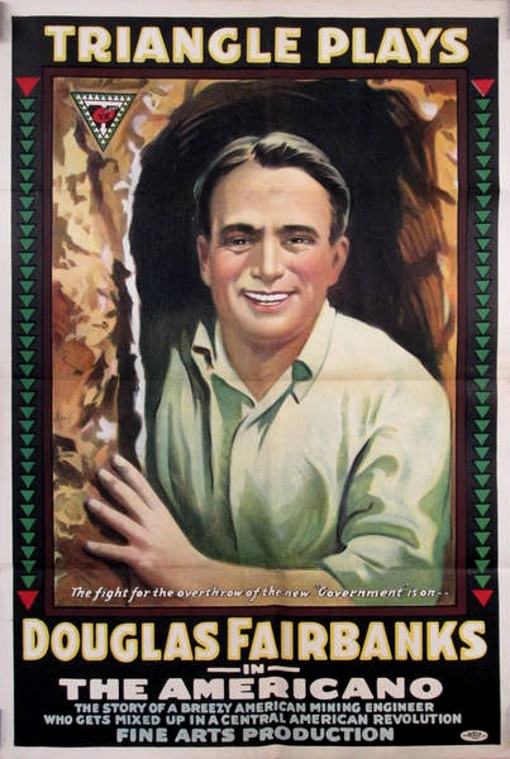
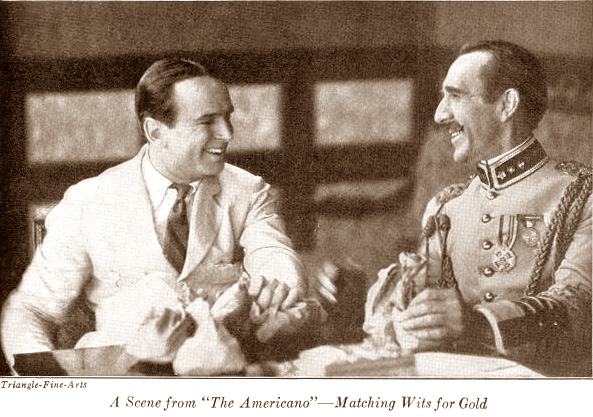
Doug is an American mining engineer. Pres. Valdez of Paragonia (Aitken) wants him to reopen the country's mines. Doug is not interested ... until he sees the President's beautiful daughter, Juana (Rubens). Valdez returns to Paragonia, but is deposed by Generals Sanchez and Garcia and locked in San Mateo Prison. The Americano arrives. His company's local office has been ransacked, but he finds loyal caretaker Dan (Wilson) in hiding there. He is contacted by former Prime Minister Castille, now in disguise as a peddler... Valdez writes the mysterious date "23 Noviembre 1899" on scraps of paper which are then thrown from the prison window as garbage. Juana checks her father's diary. That date contains an account of a successful escape from San Mateo, using the secret tunnel! But Garcia demands that Juana marry him the next day or Valdez will die...
Decades after its release, The Americano remains a vital piece of the cinematic puzzle. Its influence can be seen in countless modern works, solidifying John Emerson's status as a master of the craft in United States and beyond.