
DbcultAccessing Vault...
Director's Spotlight
Senior Film Conservator
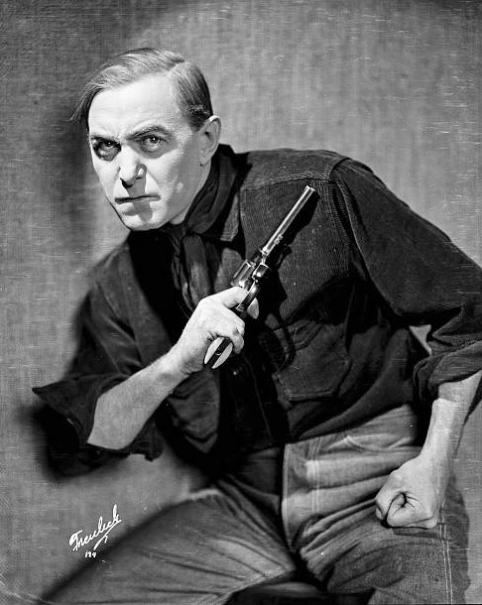
Director's Spotlight: United States
A Deep Dive into the 1921 Vision of John Ford
Exploring the Drama underpinnings of The Wallop leads us to the stylistic boundaries pushed by John Ford during the production. Through a lens of existential fatalism and Drama tropes, it continues to spark endless debates among critics and cinephiles alike.
In The Wallop, John Ford pushes the boundaries of conventional narrative. The film's unique approach to its subject matter has sparked endless debates and interpretations among cinephiles and critics alike.
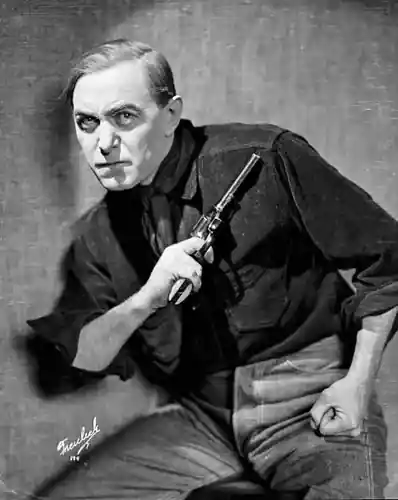
In this work, John Ford explores the intersection of Drama and United States cultural identity. The meticulous attention to detail suggests a deep-seated commitment to pushing the boundaries of the medium, ensuring that The Wallop remains a relevant topic of study for Drama enthusiasts.
| Cinematography | Handheld |
| Soundtrack | Diegetic |
| Editing | Rhythmic |
| Art Direction | Naturalist |
Visualizing the convergence of John Ford's style and the core Drama narrative.
John Wesley Pringle, adventurer at large, returns home after making his strike and finds his old girl friend, Stella, engaged to Christopher Foy, who is running for sheriff. Pringle foils an attempt by incumbent sheriff Matt Lisner to kill Foy, but when Foy is accused of a murder, Pringle, in a clever ruse, captures Foy, holds the posse at gunpoint, and then releases him, explaining his motive. Lisner is summarily dealt with, and Pringle returns to his mine.
Decades after its release, The Wallop remains a vital piece of the cinematic puzzle. Its influence can be seen in countless modern works, solidifying John Ford's status as a master of the craft in United States and beyond.