
DbcultAccessing Vault...
Director's Spotlight
Senior Film Conservator
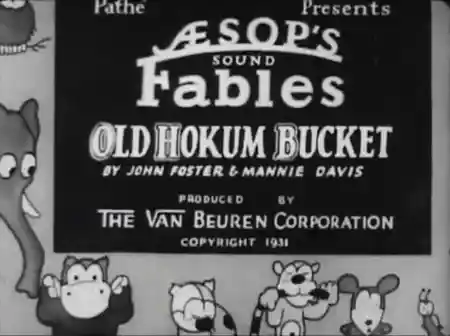
Director's Spotlight: United States
A Deep Dive into the 1931 Vision of John Foster
Analyzing The Old Hokum Bucket (1931) requires a deep dive into the unique directorial voice that John Foster brought to the screen. By challenging the status quo of 1931 cinema, it continues to spark endless debates among critics and cinephiles alike.
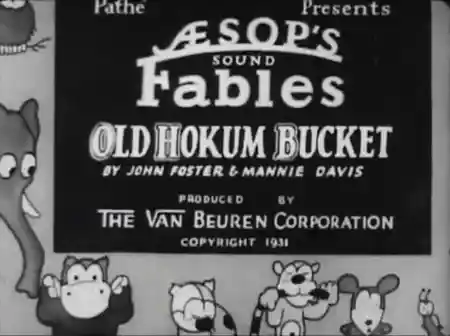
In The Old Hokum Bucket, John Foster pushes the boundaries of conventional narrative. The film's unique approach to its subject matter has sparked endless debates and interpretations among cinephiles and critics alike.
| Cinematography | Handheld |
| Soundtrack | Synth-Heavy |
| Editing | Disjunctive |
| Art Direction | Baroque |
Visualizing the convergence of John Foster's style and the core Short narrative.
A Jewish snake oil salesman sells some 'Peppo', a magic elixir, to a poor farmer with a farm full of lazy animals. To prove the potency of his pills, he pulls a dead cat out of his bag and drops the magic formula into its dead carcass. Whatever reanimates this poor soul at least has the appearance of life, and this is good enough for our hero. This particular drug must make the farmer delusional since he sees all his animals-everything he owns- as a testing ground for this zombie resurrection formula. After watching a dancing egg split open and 'hatch' the salesman (proudly waving a US flag), he end ups dancing with a cow and gets betrayed by a bull and a batch of his own animals and frogs after falling into the deepest well in any cartoon.
Decades after its release, The Old Hokum Bucket remains a vital piece of the cinematic puzzle. Its influence can be seen in countless modern works, solidifying John Foster's status as a master of the craft in United States and beyond.