
DbcultAccessing Vault...
Director's Spotlight
Senior Film Conservator
Director's Spotlight: United States
A Deep Dive into the 1919 Vision of John Francis Dillon
The brilliance of A Taste of Life (1919) is inseparable from the visionary mind of its creator, John Francis Dillon. Serving as a mirror to the anxieties of a changing world, it persists as a haunting reminder of our own cinematic history.
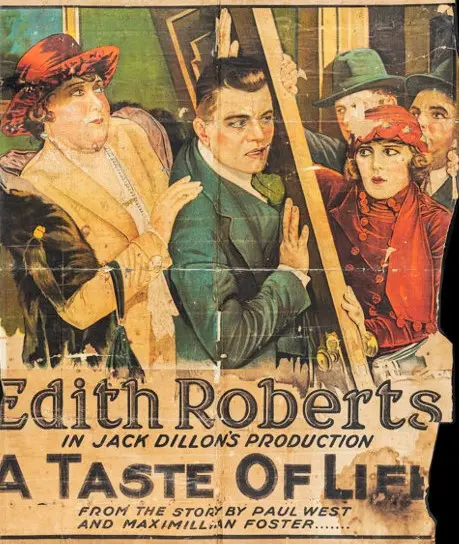
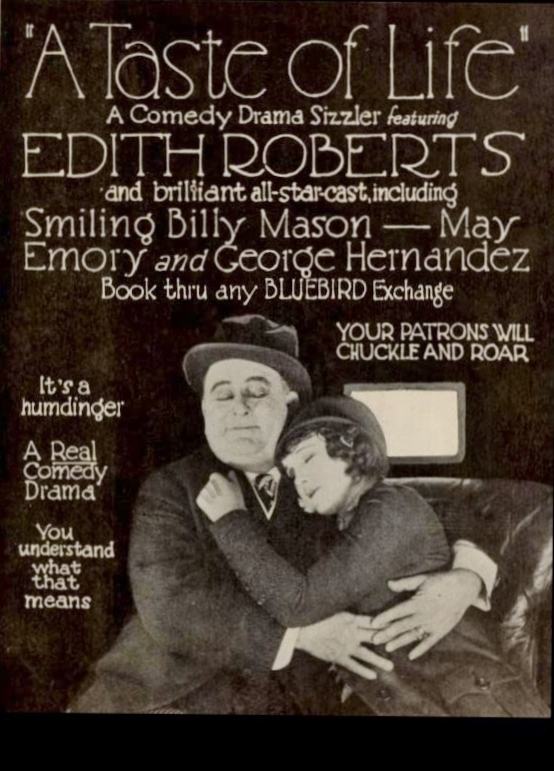
In A Taste of Life, John Francis Dillon pushes the boundaries of conventional narrative. The film's unique approach to its subject matter has sparked endless debates and interpretations among cinephiles and critics alike.
| Cinematography | High-Contrast |
| Soundtrack | Orchestral |
| Editing | Slow-Burn |
| Art Direction | Brutalist |
Visualizing the convergence of John Francis Dillon's style and the core cult narrative.
When her husband, struggling lawyer Horace Dillingham, is unable to provide adequate money for her insatiable desire for expensive cherries, Kitty Dillingham goes to work as a stenographer for him. One day while Horace is out of the office, Kitty mistakes Jonas Collamore, a defendant in a divorce suit for whom Horace is acting, for an important client. Kitty agrees to lunch, and, swallowing many maraschino cherries along with their cocktails, becomes drunk. Jonas takes her to a nearby inn where they are followed by Mrs. Collamore's detectives, who then summon Mrs. Collamore and her lawyer Horace. Kitty realizes Jonas is trying to create a compromising situation, and she leaves through the window. When the detectives break in, the only trace of Kitty is her hairpin. Kitty and Jonas then conspire to entrap their spouses. Both couples manage to straighten out their domestic problems at the last minute.
Decades after its release, A Taste of Life remains a vital piece of the cinematic puzzle. Its influence can be seen in countless modern works, solidifying John Francis Dillon's status as a master of the craft in United States and beyond.