
DbcultAccessing Vault...
Director's Spotlight
Senior Film Conservator
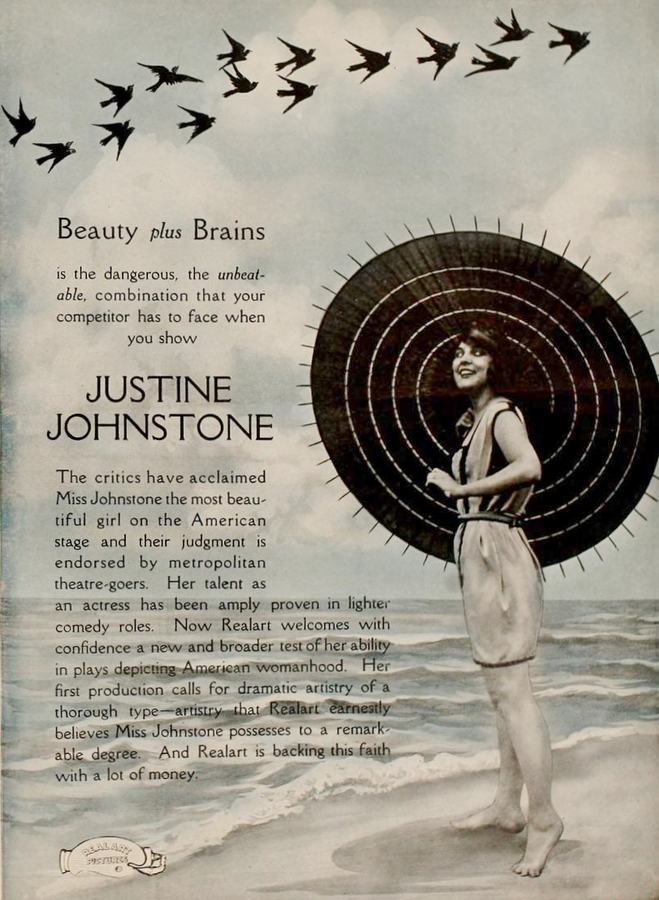
Director's Spotlight: United States
A Deep Dive into the 1920 Vision of John Francis Dillon
In the storied career of John Francis Dillon, Blackbirds stands as a the provocative questions that John Francis Dillon poses to the United States audience. Elevating the source material through John Francis Dillon's unique vision, it persists as a haunting reminder of our own cinematic history.
In Blackbirds, John Francis Dillon pushes the boundaries of conventional narrative. The film's unique approach to its subject matter has sparked endless debates and interpretations among cinephiles and critics alike.
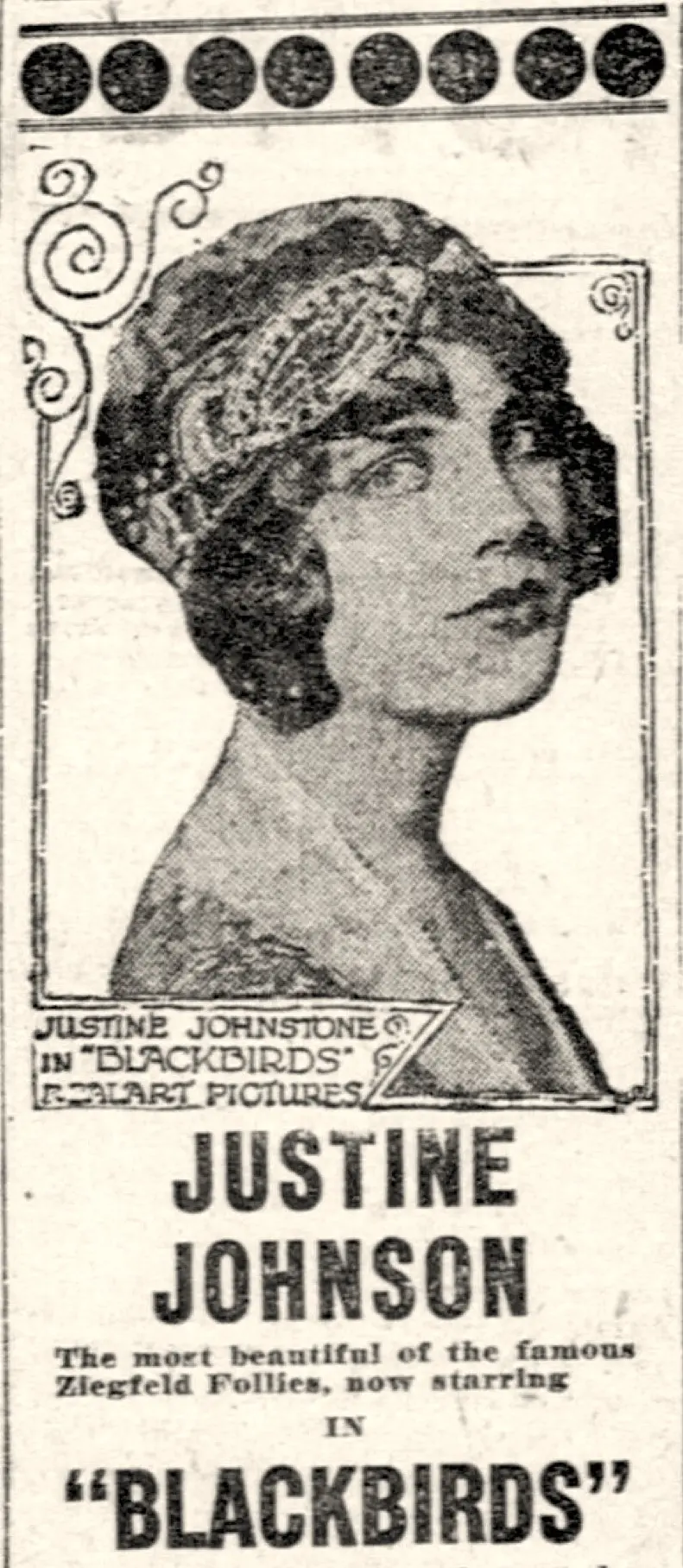
To fully appreciate Blackbirds, one must consider the cinematic climate of 1920. During this period, United States was undergoing significant artistic shifts, and John Francis Dillon was at the forefront of this Drama movement, often challenging established norms.
| Cinematography | Handheld |
| Soundtrack | Synth-Heavy |
| Editing | Disjunctive |
| Art Direction | Baroque |
Visualizing the convergence of John Francis Dillon's style and the core Drama narrative.
Adventuress Leonie Sobatsky falls in love with a young man named Nevil Trask, and he with her. Trask doesn't know that Leonie is actually the head of an international smuggling ring--and Leonie doesn't know that Trask is an undercover Secret Service agent assigned to break up the ring and capture its head.
Decades after its release, Blackbirds remains a vital piece of the cinematic puzzle. Its influence can be seen in countless modern works, solidifying John Francis Dillon's status as a master of the craft in United States and beyond.