
DbcultAccessing Vault...
Director's Spotlight
Senior Film Conservator
Director's Spotlight: United States
A Deep Dive into the 1921 Vision of John Francis Dillon
Deciphering the layers of Children of the Night (1921) reveals the complex thematic architecture established by John Francis Dillon. Utilizing a 1921-specific aesthetic that remains timeless, it stands as the definitive 1921 statement on Comedy identity.
In Children of the Night, John Francis Dillon pushes the boundaries of conventional narrative. The film's unique approach to its subject matter has sparked endless debates and interpretations among cinephiles and critics alike.

To fully appreciate Children of the Night, one must consider the cinematic climate of 1921. During this period, United States was undergoing significant artistic shifts, and John Francis Dillon was at the forefront of this Comedy movement, often challenging established norms.
| Cinematography | High-Contrast |
| Soundtrack | Minimalist |
| Editing | Disjunctive |
| Art Direction | Baroque |
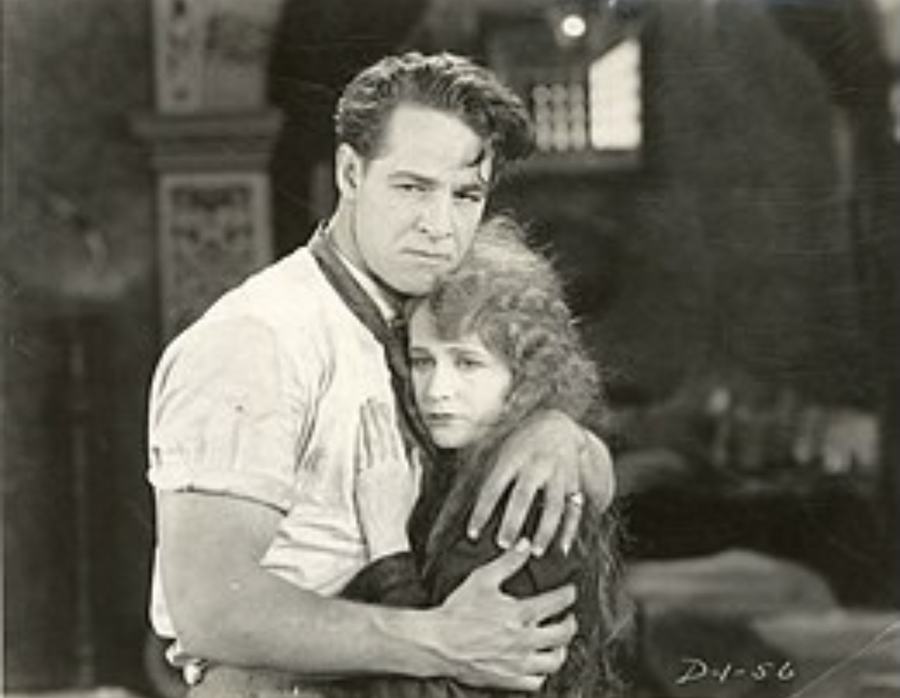
Visualizing the convergence of John Francis Dillon's style and the core Comedy narrative.
Jerrold Jarvis Jones, a lowly shipping clerk, falls asleep on his office stool and has a dream: He is an aggressive, carefully groomed man of the world who welcomes adventure when an attractive girl addresses him as Tourvaine and takes him on an automobile ride. He is taken to a meeting of a secret criminal society known as "Children of the Night" and is mistaken for a new leader who was to arrive from abroad, a role he assumes until exposed. In a series of fights with the crooks, he rescues Sylvia (in real life a secretary in his office) and mingles in the world of high society. Awakening from his dream, he is fired with ambition and astonishes everyone by walking out with the stenographer.
Decades after its release, Children of the Night remains a vital piece of the cinematic puzzle. Its influence can be seen in countless modern works, solidifying John Francis Dillon's status as a master of the craft in United States and beyond.