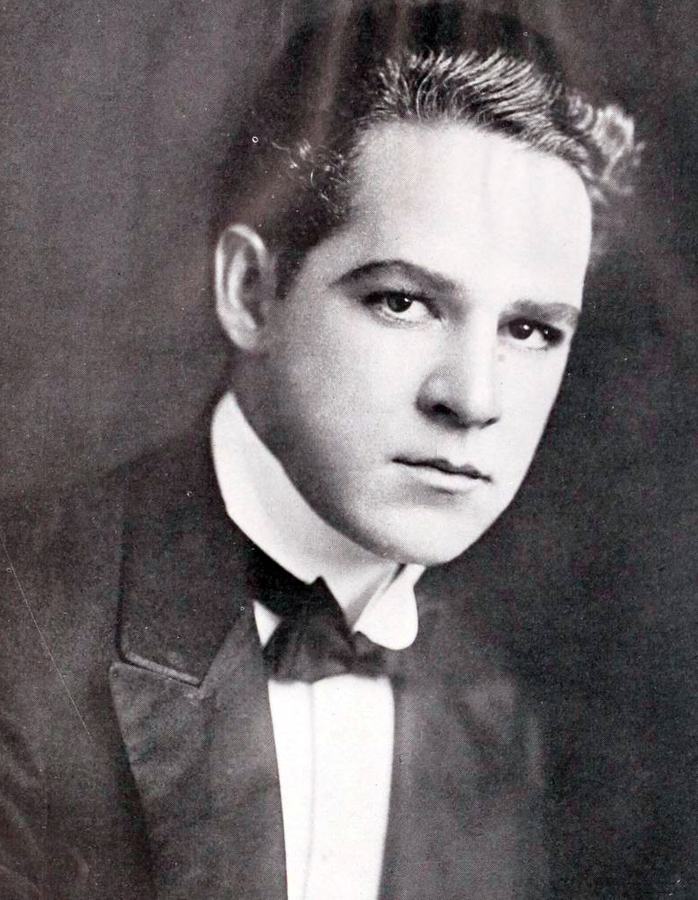
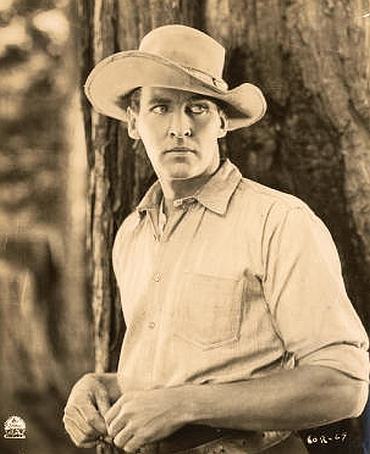
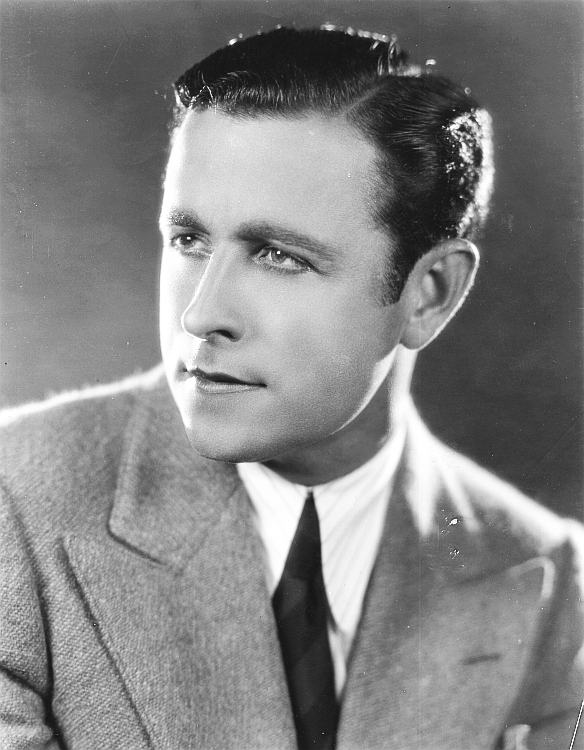
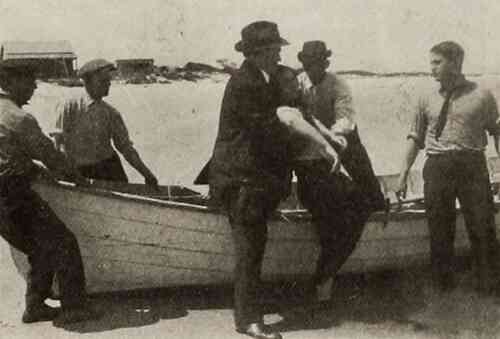
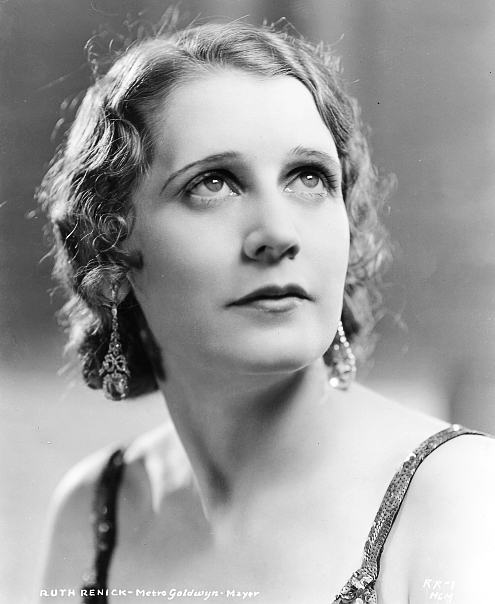
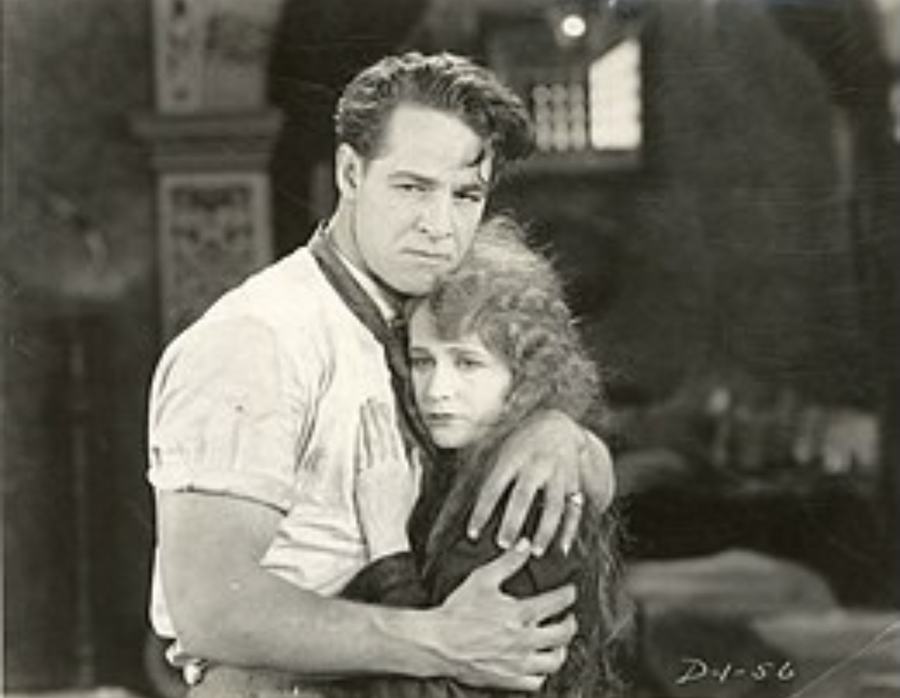
Jerrold Jarvis Jones, a lowly shipping clerk, falls asleep on his office stool and has a dream: He is an aggressive, carefully groomed man of the world who welcomes adventure when an attractive girl addresses him as Tourvaine and takes him on an automobile ride. He is taken to a meeting of a secret criminal society known as "Children of the Night" and is mistaken for a new leader who was to arrive from abroad, a role he assumes until exposed.
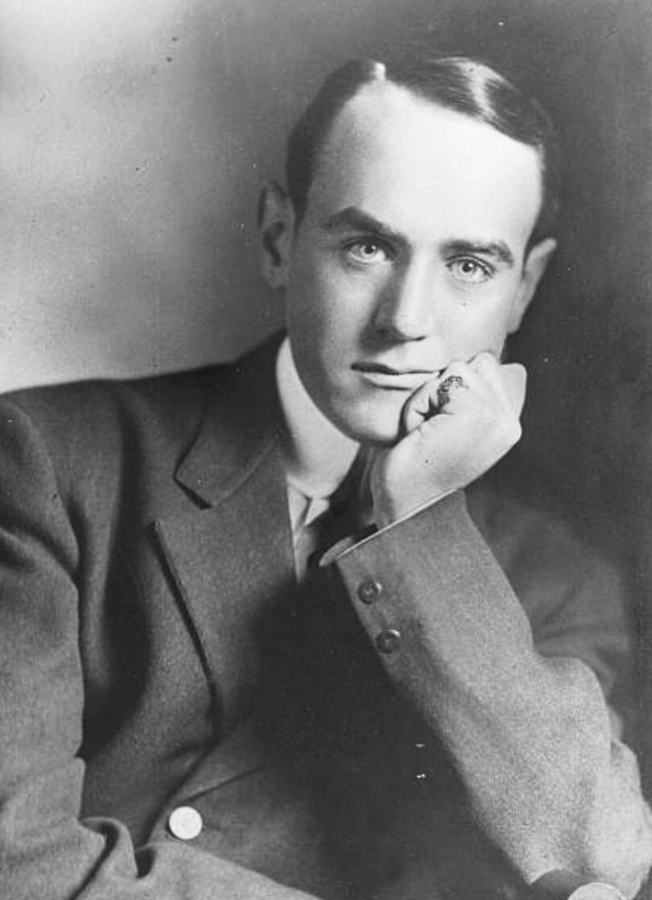
There is a specific kind of magic inherent in the silent era that modern cinema, with all its high-fidelity roar, often struggles to replicate. It is the magic of the subconscious made manifest. Children of the Night (1921) isn't just a film; it is a psychological document of the post-WWI American psyche, wrapped in...
still_frame
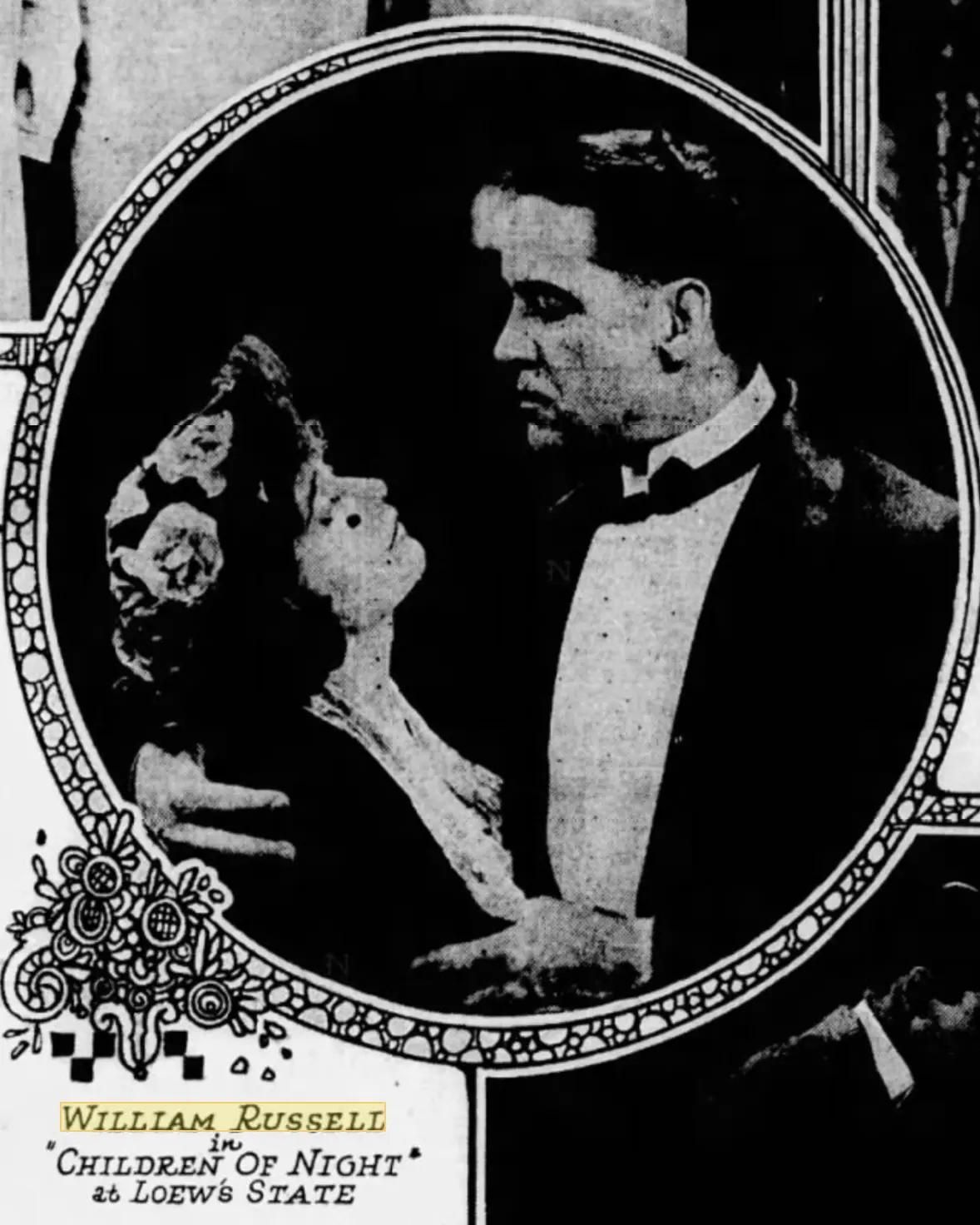
publicity
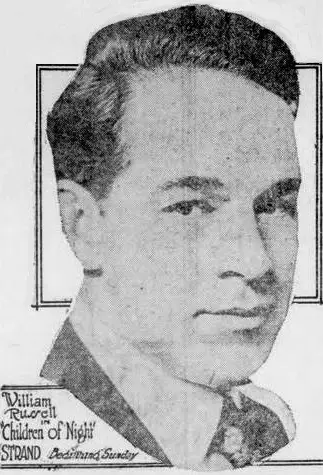
publicity
Comparing the cinematic DNA and archive impact of two defining moments in cult history.
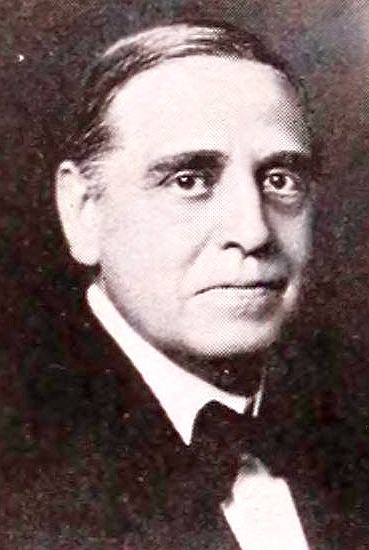
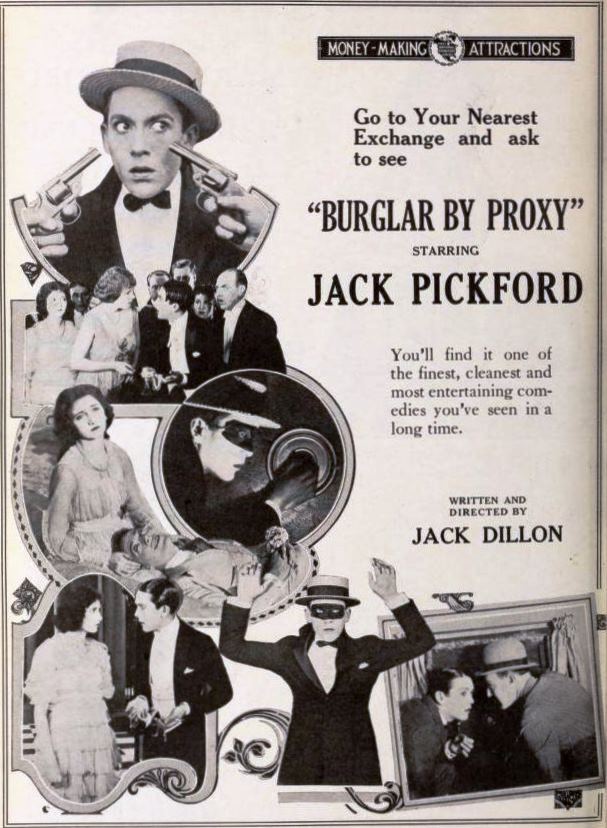
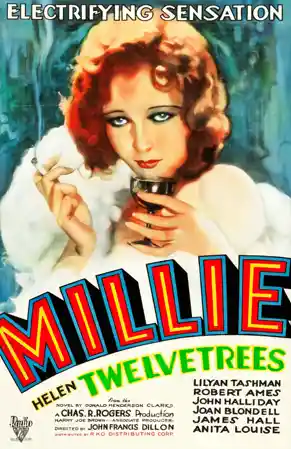
John Francis Dillon
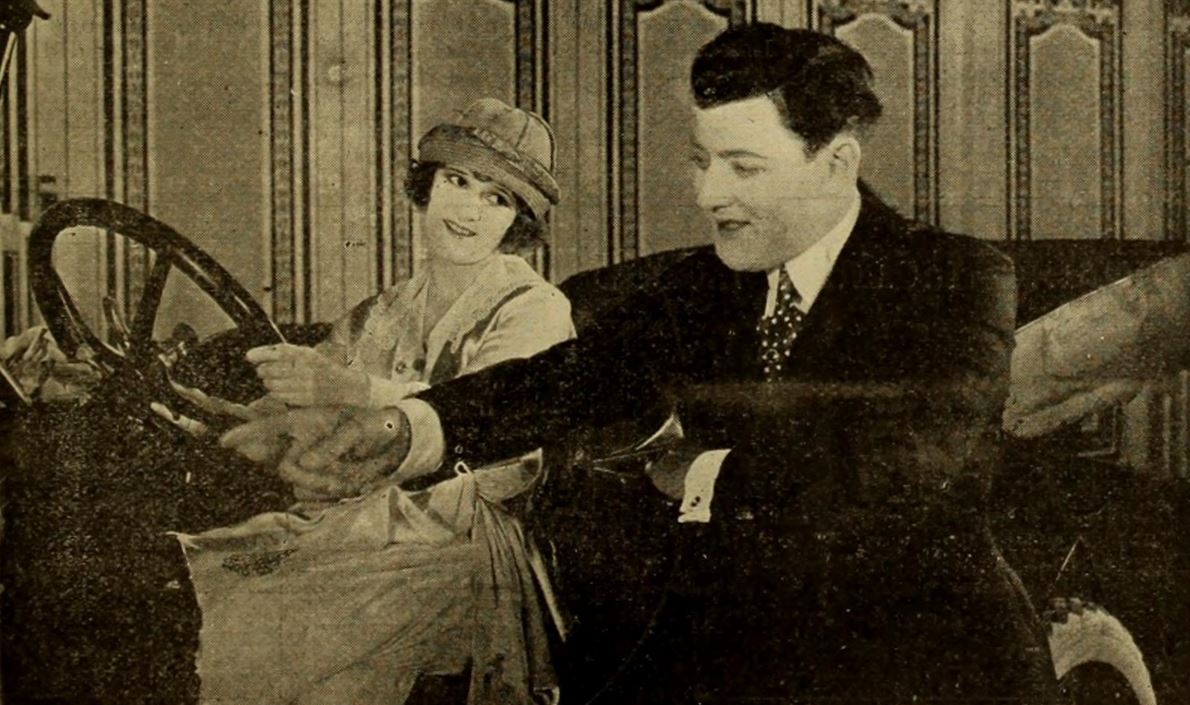
John Francis Dillon
Community
Log in to comment.
" There is a specific kind of magic inherent in the silent era that modern cinema, with all its high-fidelity roar, often struggles to replicate. It is the magic of the subconscious made manifest. Children of the Night (1921) isn't just a film; it is a psychological document of the post-WWI American psyche, wrapped in the trappings of a pulp thriller. Directed by and starring William Russell, the film tackles the universal yearning for transcendence through the eyes of Jerrold Jarvis Jones, a m..."
Helen McGinnis
Max Brand, John Montague
United States
Deep dive into the cult classic
Discover similar cinematic experiences
A Directorial Spotlight on John Francis Dillon