
DbcultAccessing Vault...
Director's Spotlight
Senior Film Conservator
Director's Spotlight: United States
A Deep Dive into the 1918 Vision of John Francis Dillon
Exploring the cult underpinnings of Nancy Comes Home leads us to the stylistic boundaries pushed by John Francis Dillon during the production. Through a lens of existential fatalism and cult tropes, it continues to spark endless debates among critics and cinephiles alike.
In Nancy Comes Home, John Francis Dillon pushes the boundaries of conventional narrative. The film's unique approach to its subject matter has sparked endless debates and interpretations among cinephiles and critics alike.
To fully appreciate Nancy Comes Home, one must consider the cinematic climate of 1918. During this period, United States was undergoing significant artistic shifts, and John Francis Dillon was at the forefront of this cult movement, often challenging established norms.
| Cinematography | Static |
| Soundtrack | Synth-Heavy |
| Editing | Disjunctive |
| Art Direction | Baroque |
Visualizing the convergence of John Francis Dillon's style and the core cult narrative.
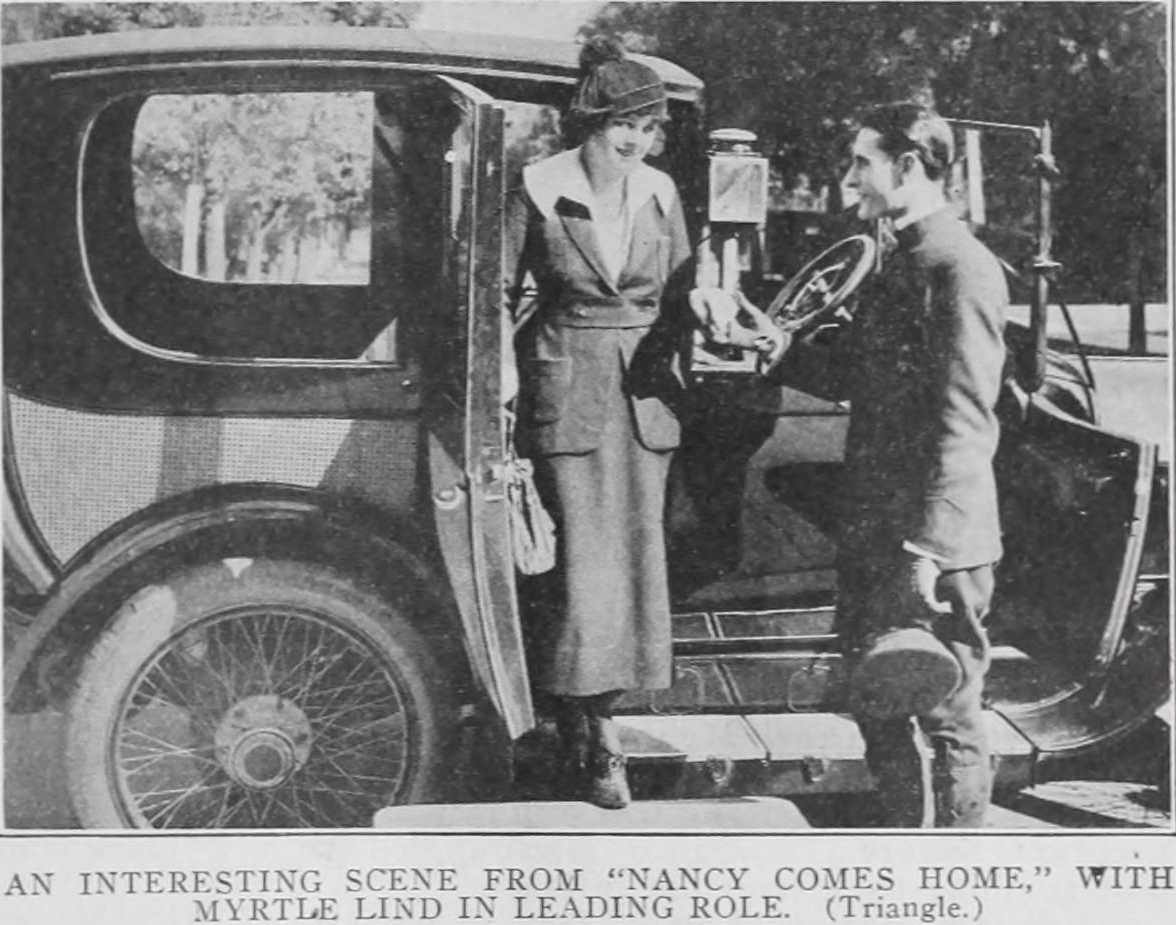
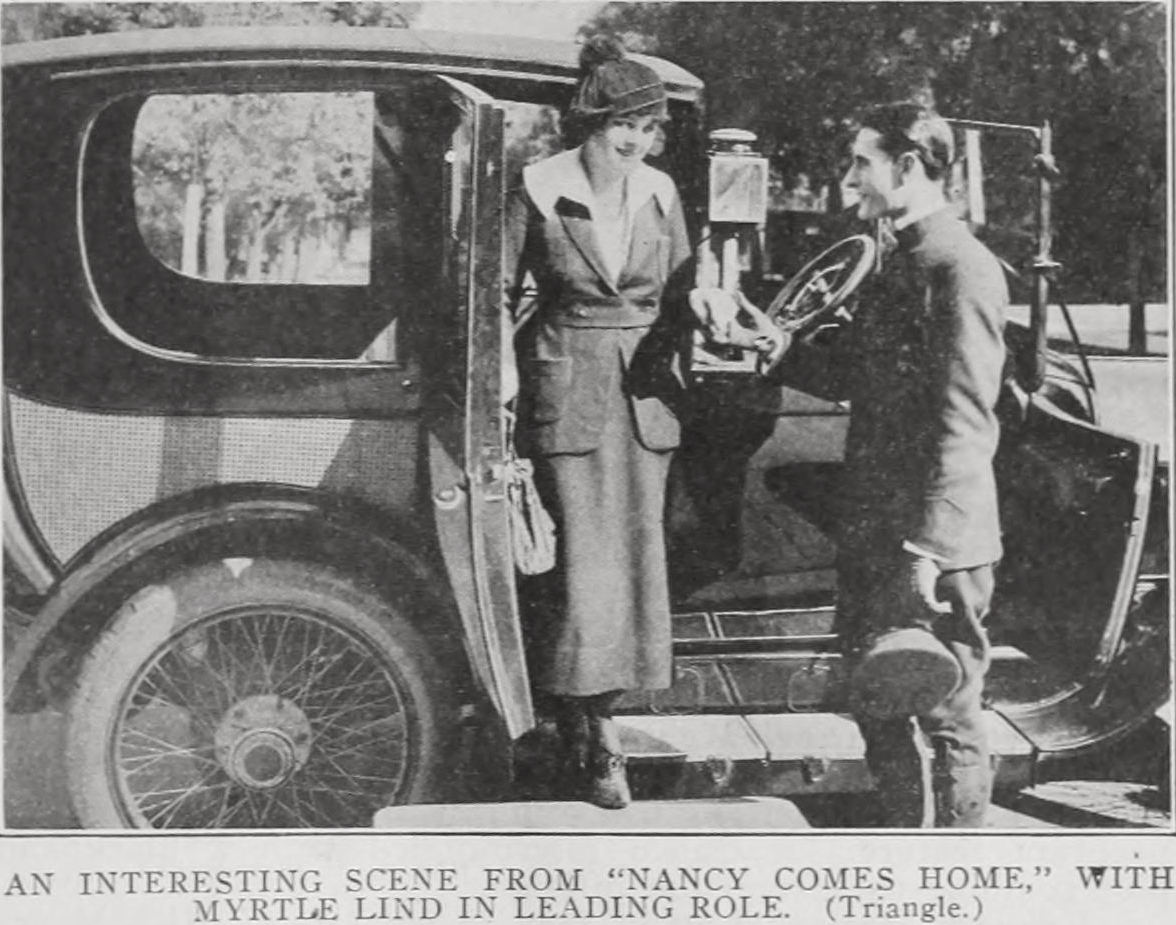
Nancy Worthing, who comes home from boarding school to find that her parents have no time for her, pawns some of her mother's jewels to buy the clothes necessary for entering society. She persuades her father's chauffeur, Phil Ballou, to take her to a notorious cabaret, where a shooting occurs. In the confusion, Phil is arrested as the assailant, and when Nancy's parents learn of the missing jewels, they bring further charges against him. At the trial, Phil reveals that he is the son of wealthy parents who simply wished to earn his own living, and Nancy clears his name by confessing all. Phil and Nancy, united by their ordeals, begin a romance.
Decades after its release, Nancy Comes Home remains a vital piece of the cinematic puzzle. Its influence can be seen in countless modern works, solidifying John Francis Dillon's status as a master of the craft in United States and beyond.