
DbcultAccessing Vault...
Director's Spotlight
Senior Film Conservator
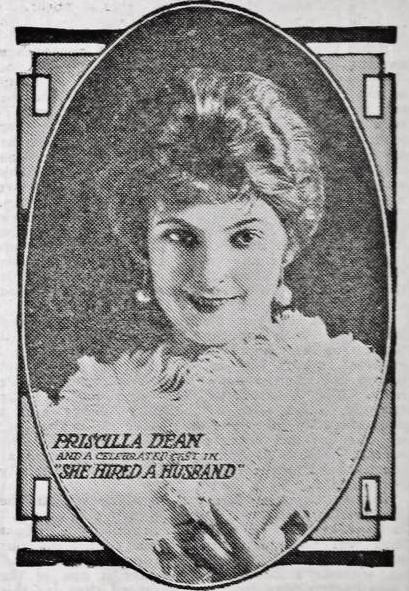
Director's Spotlight: United States
A Deep Dive into the 1918 Vision of John Francis Dillon
The evocative power of She Hired a Husband stems from the unique collaboration between the bold experimentation that has become synonymous with John Francis Dillon. Framed by the hauntingly beautiful landscapes of the production, it echoes the profound changes occurring in United States during that era.
In She Hired a Husband, John Francis Dillon pushes the boundaries of conventional narrative. The film's unique approach to its subject matter has sparked endless debates and interpretations among cinephiles and critics alike.
To fully appreciate She Hired a Husband, one must consider the cinematic climate of 1918. During this period, United States was undergoing significant artistic shifts, and John Francis Dillon was at the forefront of this cult movement, often challenging established norms.
| Cinematography | Handheld |
| Soundtrack | Minimalist |
| Editing | Disjunctive |
| Art Direction | Baroque |
Visualizing the convergence of John Francis Dillon's style and the core cult narrative.
Daphne Trowbridge, an impulsive and obstinate but nonetheless kindhearted young woman, lives with her aunt and uncle on their country estate. Daphne falls in love with Tom Dunstan, but when she learns that Mrs. Trowbridge favors the young man, she deserts him, whereupon he departs for the woods brokenhearted. Because her aunt dislikes Gerald, Daphne accepts his proposal, but on the day of the wedding, she discovers that Mrs. Trowbridge has liked him from the beginning. Furious at her aunt's scheming, Daphne hires the first man she meets, who happens to be a heavily bearded lumberman, to marry her and then leave. Later, however, her hired husband abducts her to his cabin in the woods, where he eventually succeeds in taming her. After he rescues her from two lecherous lumberjacks, Daphne discovers that her husband is Tom, whom she had loved all along.
Decades after its release, She Hired a Husband remains a vital piece of the cinematic puzzle. Its influence can be seen in countless modern works, solidifying John Francis Dillon's status as a master of the craft in United States and beyond.