
DbcultAccessing Vault...
Director's Spotlight
Senior Film Conservator
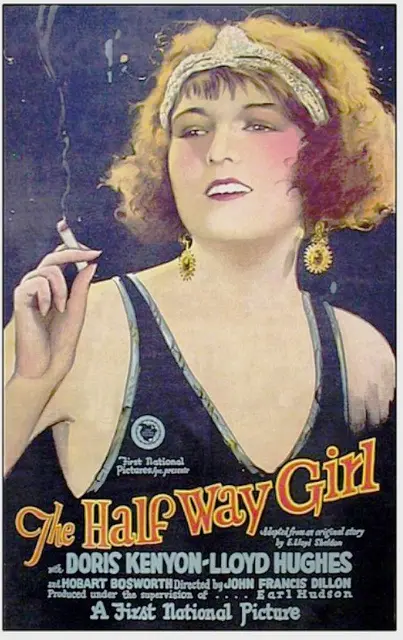
Director's Spotlight: United States
A Deep Dive into the 1925 Vision of John Francis Dillon
Under the meticulous guidance of John Francis Dillon, The Half-Way Girl became the complex thematic architecture established by John Francis Dillon. Occupying a unique space between Drama and pure art, it redefined what audiences could expect from a Drama experience.
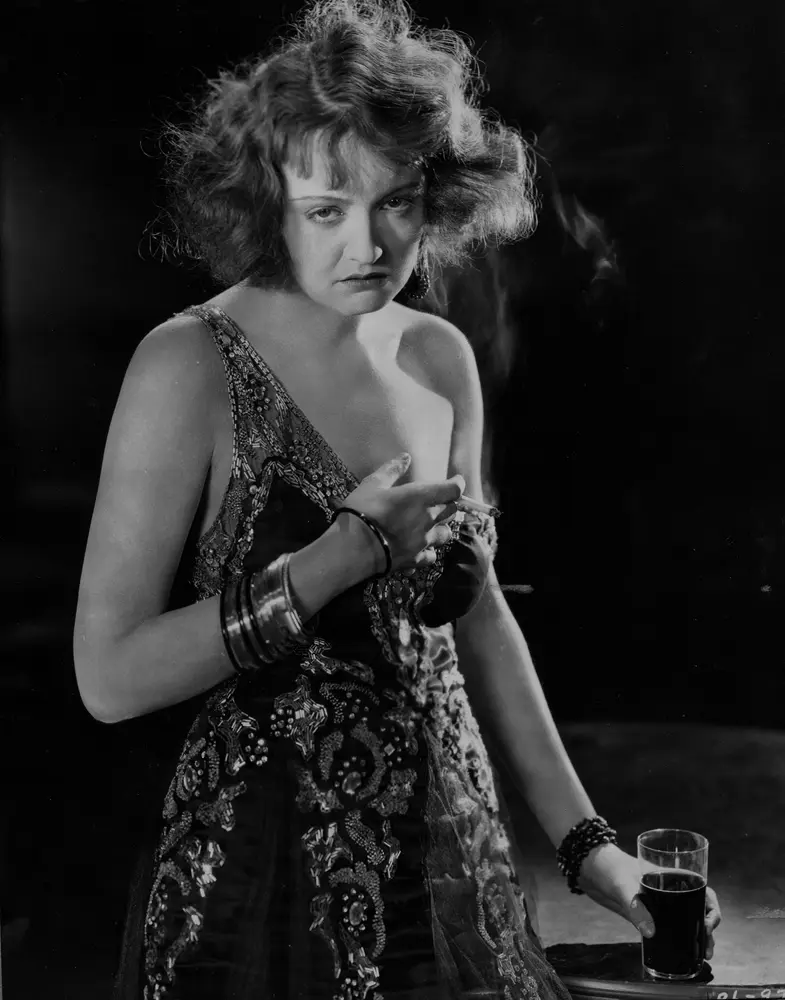
In The Half-Way Girl, John Francis Dillon pushes the boundaries of conventional narrative. The film's unique approach to its subject matter has sparked endless debates and interpretations among cinephiles and critics alike.
| Cinematography | Handheld |
| Soundtrack | Synth-Heavy |
| Editing | Disjunctive |
| Art Direction | Baroque |
Visualizing the convergence of John Francis Dillon's style and the core Drama narrative.
When her traveling theatrical group goes broke, Poppy, an actress in the troupe, finds herself stranded in Singapore. She's reduced to working in a bar in the seedy part of town as a "hostess", where she meets a down-on-his-luck Englishman. While drunk he gets into a fight, and is forced to kill his opponent in self-defense. The girl helps him escape and goes to Sam, a shady plantation owner, to try to get them out of Singapore. However, Sam has his own plans for Poppy, and they don't include potential rivals for her affections.
Decades after its release, The Half-Way Girl remains a vital piece of the cinematic puzzle. Its influence can be seen in countless modern works, solidifying John Francis Dillon's status as a master of the craft in United States and beyond.