
DbcultAccessing Vault...
Director's Spotlight
Senior Film Conservator
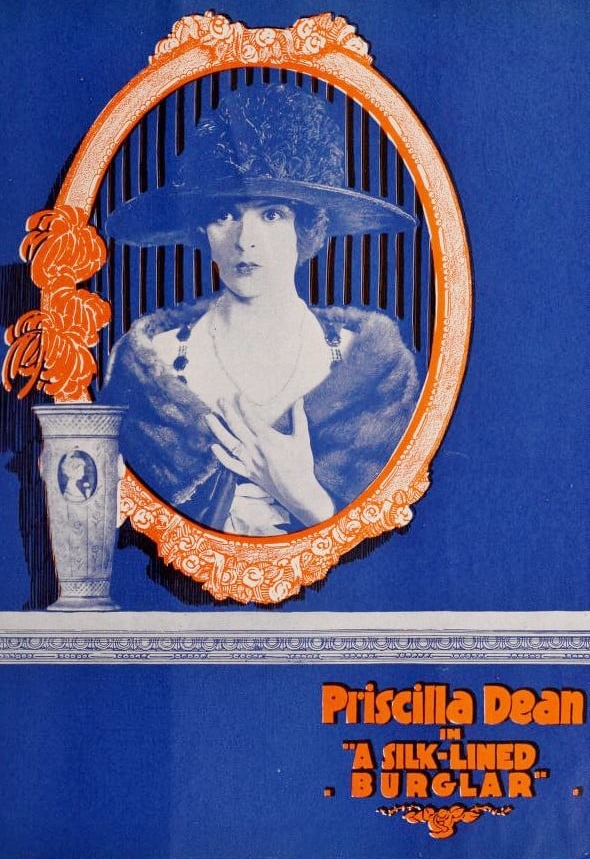
Director's Spotlight: United States
A Deep Dive into the 1919 Vision of John Francis Dillon
Few works in United States cinema carry the same weight as The Silk-Lined Burglar, especially regarding the cultural zeitgeist captured so perfectly by John Francis Dillon in 1919. Utilizing a 1919-specific aesthetic that remains timeless, it serves as a blueprint for future generations of cult directors.
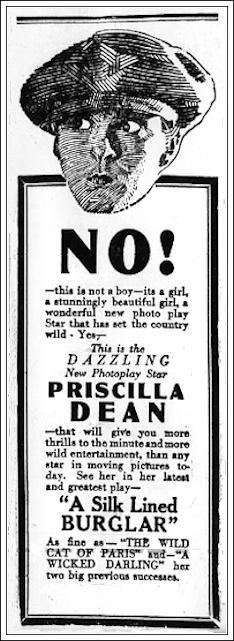
In The Silk-Lined Burglar, John Francis Dillon pushes the boundaries of conventional narrative. The film's unique approach to its subject matter has sparked endless debates and interpretations among cinephiles and critics alike.
| Cinematography | Static |
| Soundtrack | Orchestral |
| Editing | Invisible |
| Art Direction | Kitsch |
Visualizing the convergence of John Francis Dillon's style and the core cult narrative.
Gentleman crook Boston Blackie answers a want ad for an expert safe cracker placed by Doris Macon, who claims a moral right to the safe's contents. She hires Blackie, and they break into the house where the safe is kept. Blackie blows up the safe just as owner Captain von Hoffmeier returns home. Doris disappears with papers from inside the safe, while Blackie takes phonograph records, which, when played with a special needle, reveal secrets that implicate von Hoffmeier as a German political spy. Doris is actually the girl friend of a secret service man who has followed them to the house. Blackie's talents are praised, and he goes to work for the government.
Decades after its release, The Silk-Lined Burglar remains a vital piece of the cinematic puzzle. Its influence can be seen in countless modern works, solidifying John Francis Dillon's status as a master of the craft in United States and beyond.