
DbcultAccessing Vault...
Director's Spotlight
Senior Film Conservator
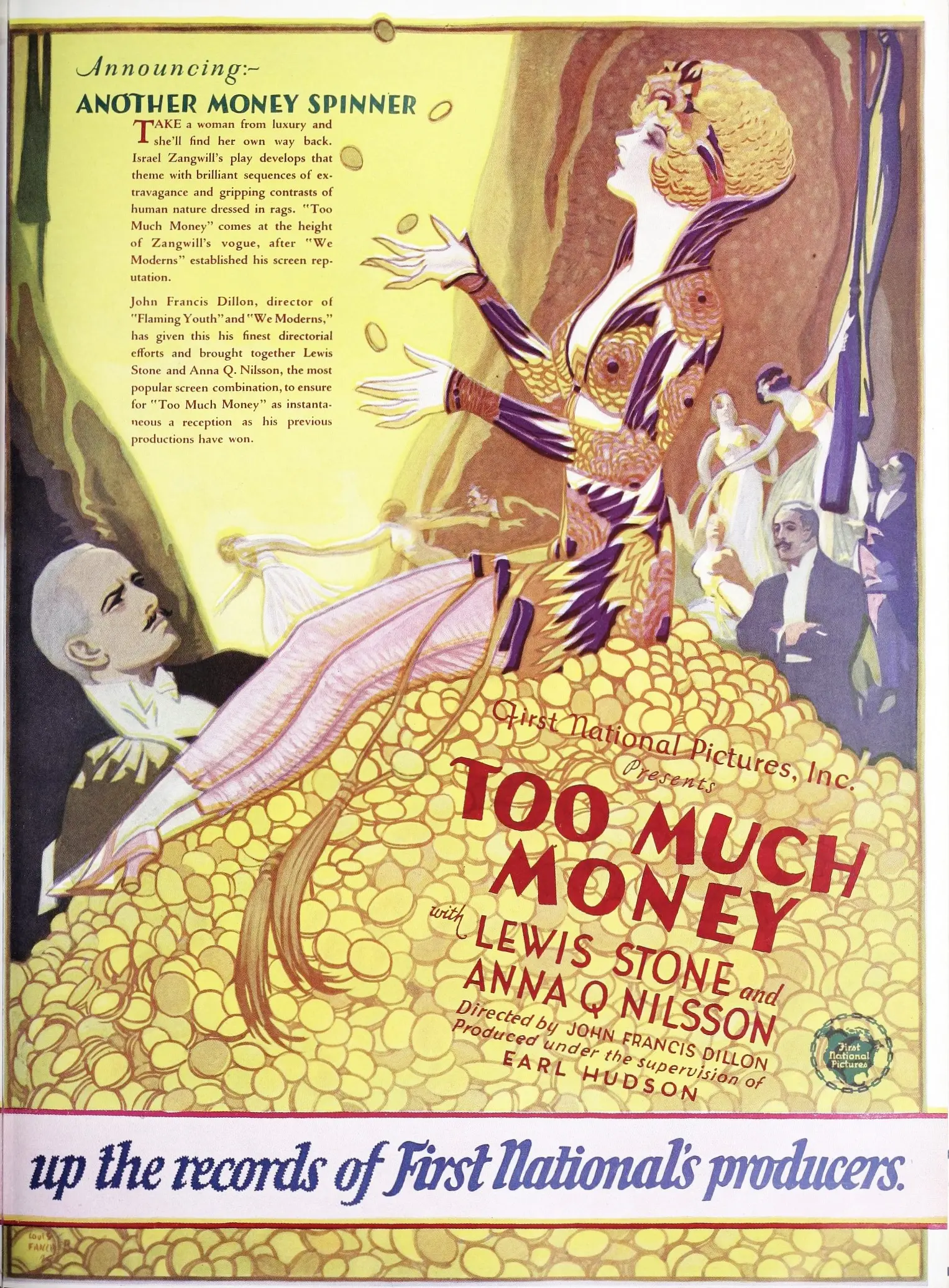
Director's Spotlight: United States
A Deep Dive into the 1926 Vision of John Francis Dillon
The Comedy DNA of Too Much Money is a reflection of United States's the subversive storytelling techniques employed by John Francis Dillon in 1926. Breaking the traditional rules of Comedy engagement, it leaves an indelible mark on the soul of the viewer.
In Too Much Money, John Francis Dillon pushes the boundaries of conventional narrative. The film's unique approach to its subject matter has sparked endless debates and interpretations among cinephiles and critics alike.
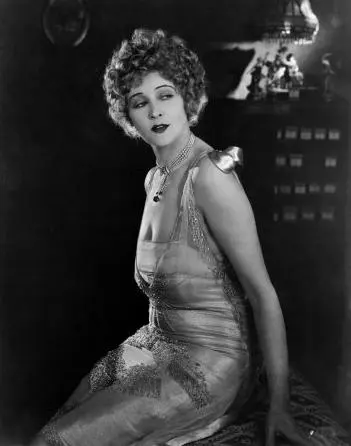
While deeply rooted in United States, Too Much Money has achieved a global reach, influencing directors from various backgrounds. Its ability to translate Comedy tropes into a universal cinematic language is why it remains a cult staple decades after its 1926 release.
| Cinematography | High-Contrast |
| Soundtrack | Diegetic |
| Editing | Elliptical |
| Art Direction | Expressionist |
Visualizing the convergence of John Francis Dillon's style and the core Comedy narrative.
Millionaire Robert Broadley, in order to curb his wive's enthusiasm for spending money foolishly, inform her that he is now broke and penniless, which might have been a good plan if a friend of his, with some crooked ways, hadn't gotten involved.
Decades after its release, Too Much Money remains a vital piece of the cinematic puzzle. Its influence can be seen in countless modern works, solidifying John Francis Dillon's status as a master of the craft in United States and beyond.