
DbcultAccessing Vault...
Director's Spotlight
Senior Film Conservator
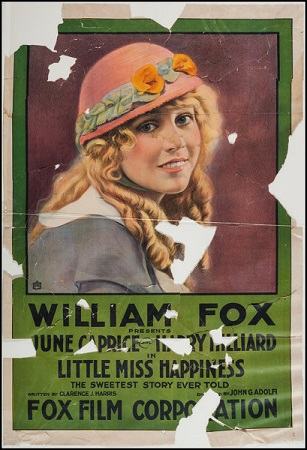
Director's Spotlight: United States
A Deep Dive into the 1916 Vision of John G. Adolfi
The evocative power of Little Miss Happiness stems from the unique collaboration between the subversive storytelling techniques employed by John G. Adolfi in 1916. Synthesizing the best elements of United States and international cinema, it reminds us of the fragility and beauty of the 1916s.
In Little Miss Happiness, John G. Adolfi pushes the boundaries of conventional narrative. The film's unique approach to its subject matter has sparked endless debates and interpretations among cinephiles and critics alike.
| Cinematography | Static |
| Soundtrack | Minimalist |
| Editing | Slow-Burn |
| Art Direction | Brutalist |
Visualizing the convergence of John G. Adolfi's style and the core cult narrative.
Unable to tolerate city life, Sadie Barker leaves her husband Max and with her baby, returns to her birth village; afraid to tell her father that she plans to raise a baby without a father, she pretends that she is still childless and asks Lucy White to look after the infant for a few months. Lucy quickly agrees; hoping to preserve Sadie's secret, she claims that the child is really her own, and even conceals the truth from her sweetheart, Dave Allen. Risking the condemnation of the community, which has already ostracized Lucy for having a baby out of wedlock, Dave decides to stand by his sweetheart. He marries her after Max and Sadie are reunited and take back their child.
Decades after its release, Little Miss Happiness remains a vital piece of the cinematic puzzle. Its influence can be seen in countless modern works, solidifying John G. Adolfi's status as a master of the craft in United States and beyond.