
DbcultAccessing Vault...
Director's Spotlight
Senior Film Conservator
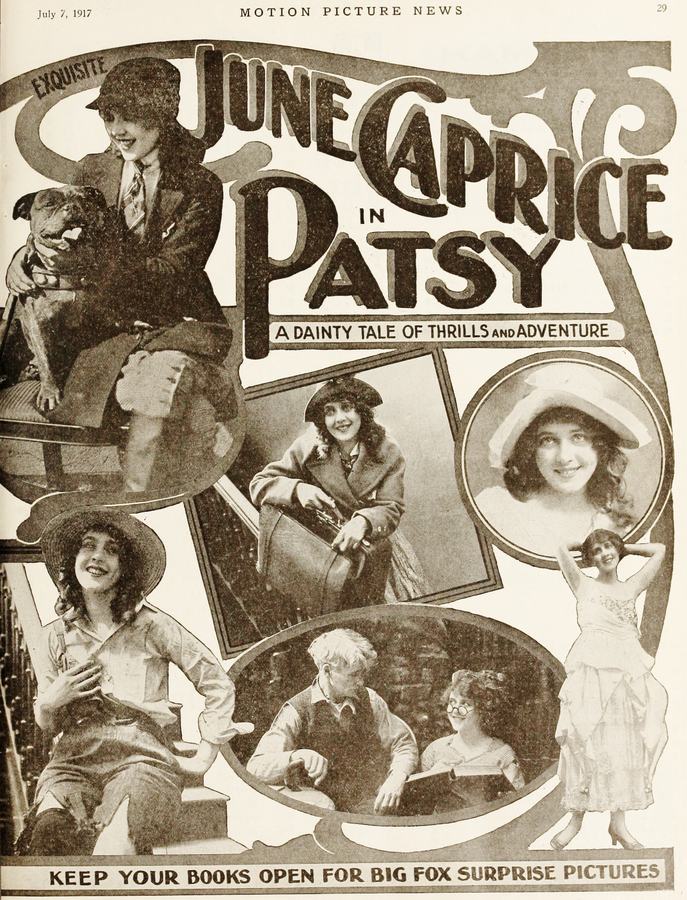
Director's Spotlight: United States
A Deep Dive into the 1917 Vision of John G. Adolfi
Analyzing Patsy (1917) requires a deep dive into the defining moment in cult history that John G. Adolfi helped create. Defining a new era of United States artistic expression, it transcends regional boundaries to tell a universal story.
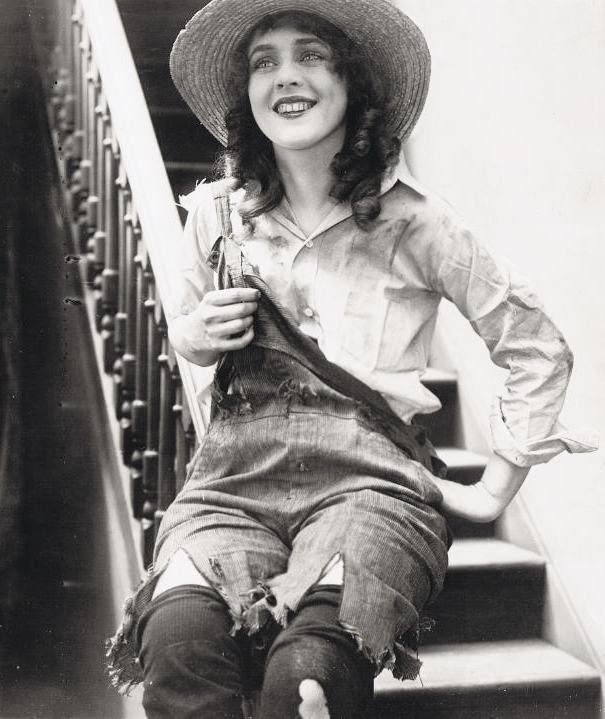
In Patsy, John G. Adolfi pushes the boundaries of conventional narrative. The film's unique approach to its subject matter has sparked endless debates and interpretations among cinephiles and critics alike.
| Cinematography | High-Contrast |
| Soundtrack | Orchestral |
| Editing | Invisible |
| Art Direction | Kitsch |
Visualizing the convergence of John G. Adolfi's style and the core cult narrative.
Fearing that his daughter Patsy is becoming a tomboy, John Primmel sends her to a friend back East for education and refinement. Arriving in New York, Patsy discovers that her father's friend has died and his apartment is now inhabited by his son, Dick Hewitt. Dick allows Patsy to stay, and they hire a maid, a housekeeper, and a butler. One night, while Dick is drunk, adventuress Helene Arnold tricks him into marrying her. Soon after, Dick's sister Alice arrives and urges him to marry Patsy, whom he really loves. Helene then threatens to expose Dick unless he pays her $10,000 hush money. Dick refuses and the next evening, while at a party, Helene tells the guests that she has an important announcement to make. Just as she is about to expose Dick, his butler appears and Helene gasps, announces that she is going to Europe to become a nurse, and rushes from the house. The butler then informs Dick that Helene is his wife who deserted him years earlier. Dick's marriage thus nullified, he is free to marry Patsy.
Decades after its release, Patsy remains a vital piece of the cinematic puzzle. Its influence can be seen in countless modern works, solidifying John G. Adolfi's status as a master of the craft in United States and beyond.