
DbcultAccessing Vault...
Director's Spotlight
Senior Film Conservator
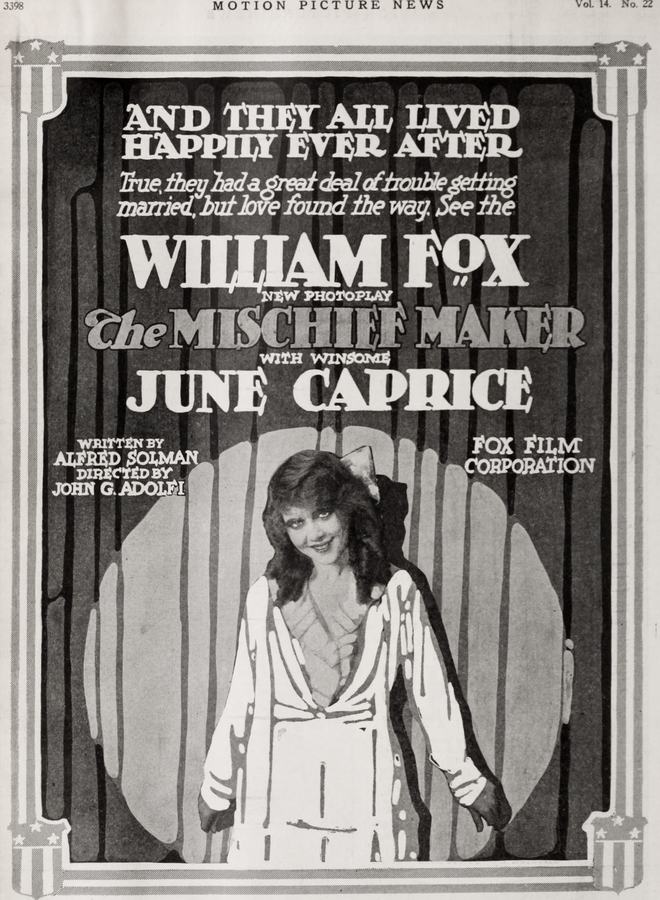
Director's Spotlight: United States
A Deep Dive into the 1916 Vision of John G. Adolfi
The enduring fascination with The Mischief Maker is a testament to the defining moment in cult history that John G. Adolfi helped create. This film stands as a masterclass in visual storytelling, it has cemented its place in the global cult cinema archive.
In The Mischief Maker, John G. Adolfi pushes the boundaries of conventional narrative. The film's unique approach to its subject matter has sparked endless debates and interpretations among cinephiles and critics alike.
While deeply rooted in United States, The Mischief Maker has achieved a global reach, influencing directors from various backgrounds. Its ability to translate cult tropes into a universal cinematic language is why it remains a cult staple decades after its 1916 release.
| Cinematography | Noir-Inspired |
| Soundtrack | Orchestral |
| Editing | Invisible |
| Art Direction | Kitsch |
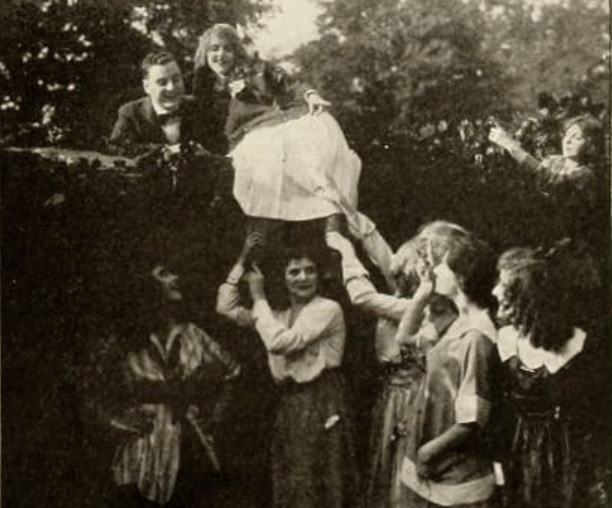
Visualizing the convergence of John G. Adolfi's style and the core cult narrative.
Effie Marchand refuses to marry a man she has never met, but who has been picked out by her mother, is exiled to boarding school Then, when sculpting teacher Jules Gerard asks her to pose for him, an always impulsive Effie quickly consents. During one of the modeling sessions, however, Jules tries to seduce her, and Effie is saved only when Al Tournay, a visitor to the studio, fights off the sculptor. Later, when Jules' latest nude statue looks just like Effie, who really only posed for the head, an outraged principal expels her. Effie then begins a romance with Al, and when they get married, Effie's mother takes the wedding as just one more sign of her daughter's impulsiveness. Mrs. Marchand soon finds out, however, that her new son-in-law is the man she had chosen for Effie long before, and so mother and daughter are quickly reconciled.
Decades after its release, The Mischief Maker remains a vital piece of the cinematic puzzle. Its influence can be seen in countless modern works, solidifying John G. Adolfi's status as a master of the craft in United States and beyond.