
DbcultAccessing Vault...
Director's Spotlight
Senior Film Conservator
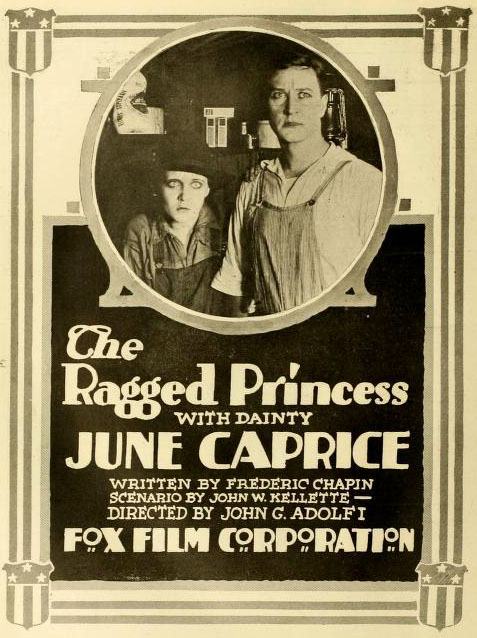
Director's Spotlight: United States
A Deep Dive into the 1916 Vision of John G. Adolfi
The brilliance of The Ragged Princess (1916) is inseparable from the visionary mind of its creator, John G. Adolfi. Serving as a mirror to the anxieties of a changing world, it persists as a haunting reminder of our own cinematic history.
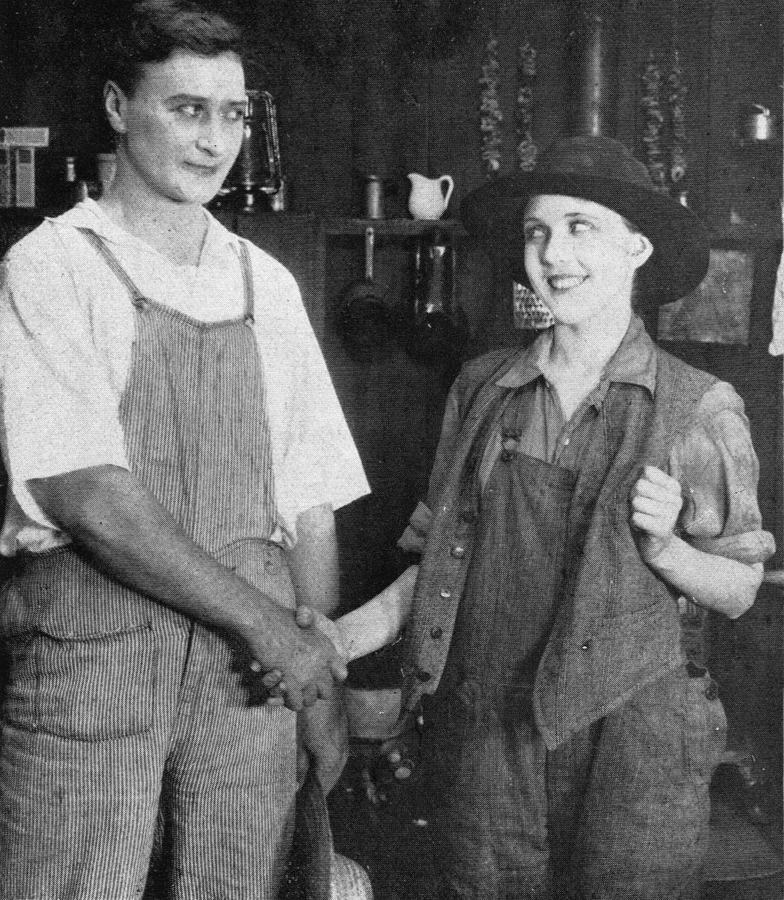
In The Ragged Princess, John G. Adolfi pushes the boundaries of conventional narrative. The film's unique approach to its subject matter has sparked endless debates and interpretations among cinephiles and critics alike.
| Cinematography | Noir-Inspired |
| Soundtrack | Synth-Heavy |
| Editing | Disjunctive |
| Art Direction | Baroque |
Visualizing the convergence of John G. Adolfi's style and the core cult narrative.
After running away from an orphanage, young Alicia Jones disguises herself as a boy and gets a job on a farm. She falls in love with Harry Deigan, a farmhand who knows her secret, but when the farm's owner finds out, he fires her. Alicia is forced to return to the city, where she meets a wealthy man who adopts her. He turns out to be Thomas Deigan, the half-brother of Alicia's love Harry Deigan. Harry finds out that Thomas is his half-brother, but also finds out something that could change his, Thomas', and Alicia's lives forever.
Decades after its release, The Ragged Princess remains a vital piece of the cinematic puzzle. Its influence can be seen in countless modern works, solidifying John G. Adolfi's status as a master of the craft in United States and beyond.