
DbcultAccessing Vault...
Director's Spotlight
Senior Film Conservator
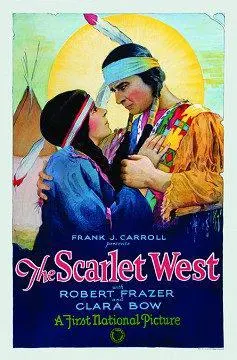
Director's Spotlight: United States
A Deep Dive into the 1925 Vision of John G. Adolfi
Witnessing the stylistic transformation of Western through The Scarlet West reveals the provocative questions that John G. Adolfi poses to the United States audience. Exploring the nuances of the human condition with Western flair, it showcases the power of Western as a tool for social commentary.
In The Scarlet West, John G. Adolfi pushes the boundaries of conventional narrative. The film's unique approach to its subject matter has sparked endless debates and interpretations among cinephiles and critics alike.
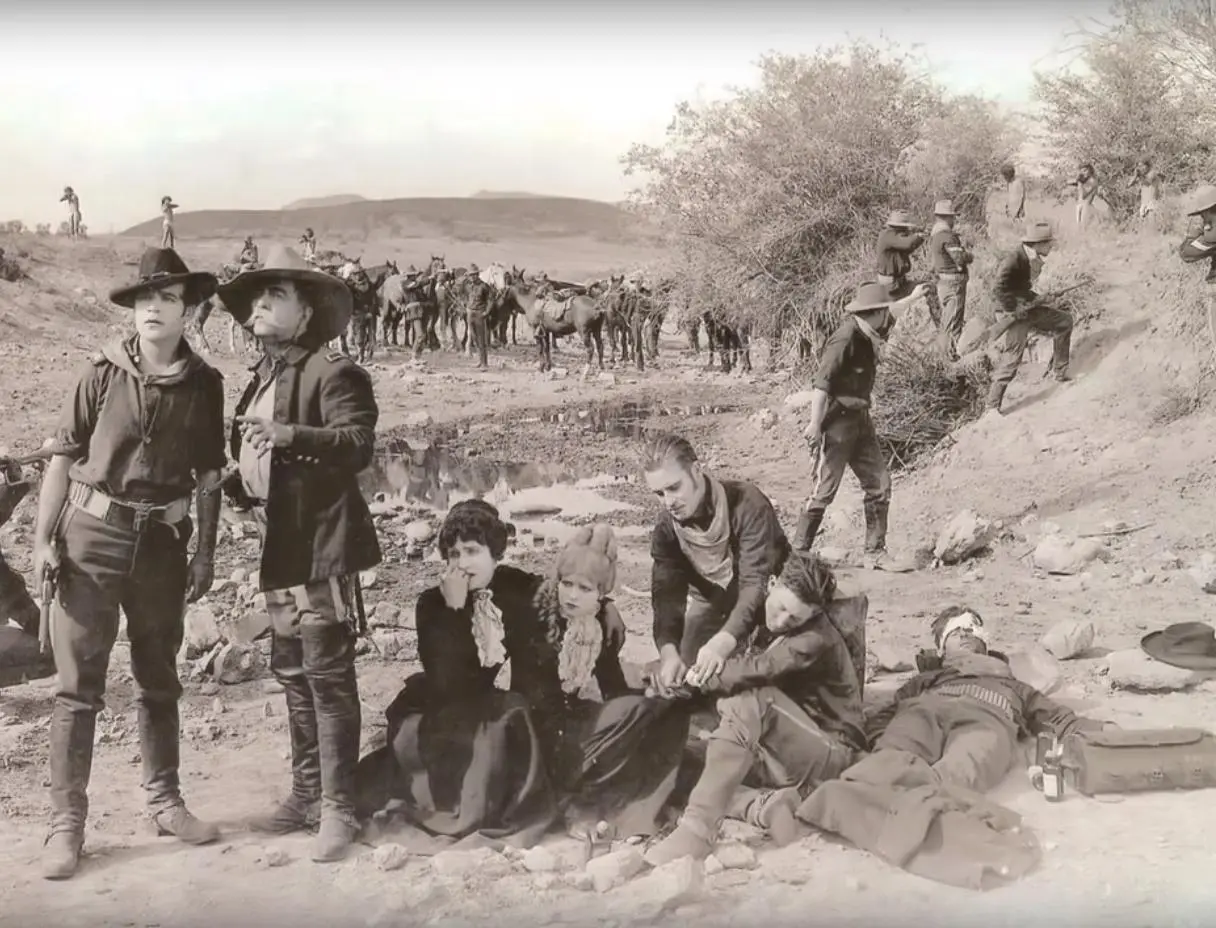
In this work, John G. Adolfi explores the intersection of Western and United States cultural identity. The meticulous attention to detail suggests a deep-seated commitment to pushing the boundaries of the medium, ensuring that The Scarlet West remains a relevant topic of study for Western enthusiasts.
| Cinematography | Static |
| Soundtrack | Experimental |
| Editing | Invisible |
| Art Direction | Kitsch |
Visualizing the convergence of John G. Adolfi's style and the core Western narrative.
Cardelanche, the son of an Indian chief, returns from the East to find himself rejected by his own people. He is made captain of the U.S. army when he saves a detachment of cavalry from a group of renegate Indians, and further removes himself from his race when he develops a relationship with Miriam (Bow), the daughter of the Fort Remmington commandant. Lieutenant Parkman (Walker) gets into a fight with Cardelanche when Parkman is demoted, while General Custer's troups are slaughtered by Cardelanche's people. Cardelanche decides that his true allegiance is to his own race, and gives up Miriam to return to them.
Decades after its release, The Scarlet West remains a vital piece of the cinematic puzzle. Its influence can be seen in countless modern works, solidifying John G. Adolfi's status as a master of the craft in United States and beyond.