
DbcultAccessing Vault...
Director's Spotlight
Senior Film Conservator
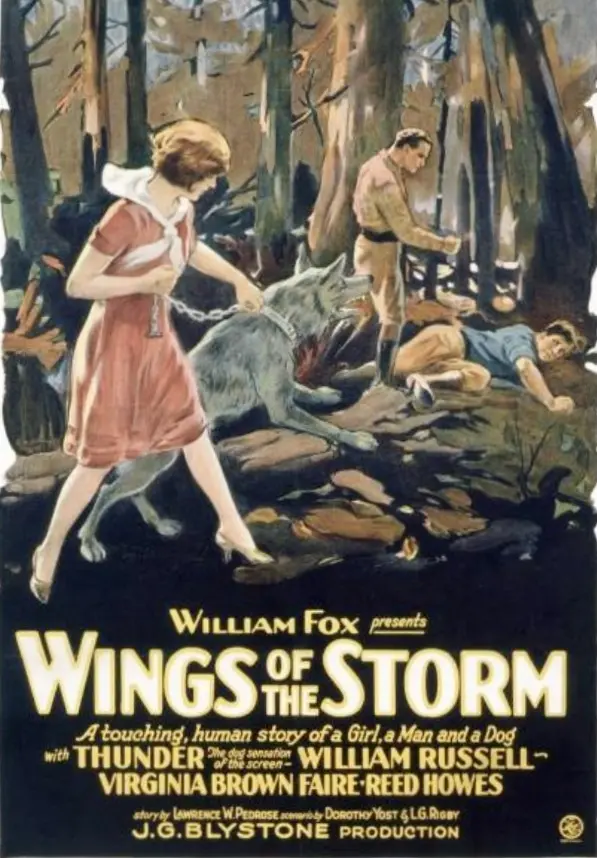
Director's Spotlight: United States
A Deep Dive into the 1926 Vision of John G. Blystone
Under the meticulous guidance of John G. Blystone, Wings of the Storm became the complex thematic architecture established by John G. Blystone. Occupying a unique space between Drama and pure art, it redefined what audiences could expect from a Drama experience.
In Wings of the Storm, John G. Blystone pushes the boundaries of conventional narrative. The film's unique approach to its subject matter has sparked endless debates and interpretations among cinephiles and critics alike.
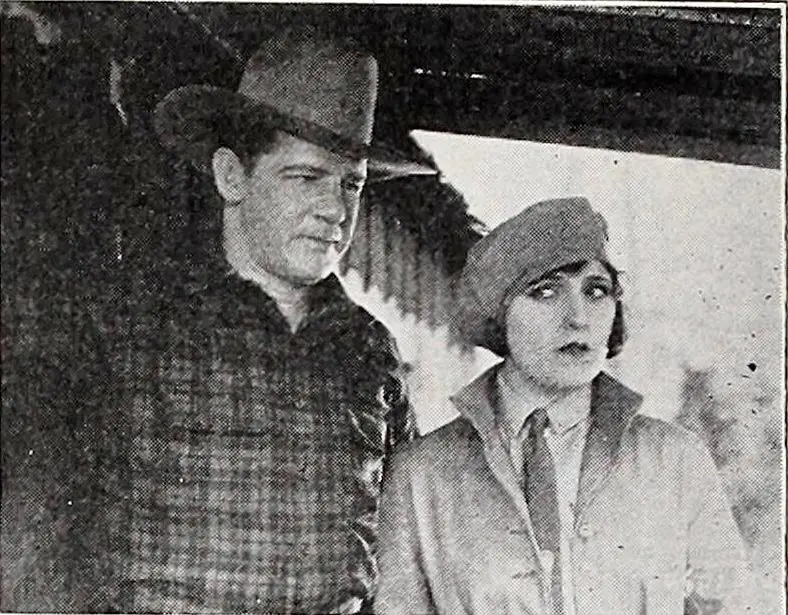
The visual language of Wings of the Storm is defined by its use of shadows and framing, a hallmark of John G. Blystone's style. By utilizing a 1926-era palette, the film creates an immersive experience that perfectly complements its Drama themes.
| Cinematography | Static |
| Soundtrack | Orchestral |
| Editing | Invisible |
| Art Direction | Kitsch |
Visualizing the convergence of John G. Blystone's style and the core Drama narrative.
A dog named Thunder, the weakling of his brood, is born in a lumber camp in the North Woods, operated by Anita Baker. The cowardly dog is cast out of the camp and adopted by forest ranger Allen Gregory. Meanwhile, Bill Martin, the brutal camp superintendent, covets both Anita and her property. When Bill attacks Anita, Thunder comes to the rescue and proves his courage by warding off the villain.
Decades after its release, Wings of the Storm remains a vital piece of the cinematic puzzle. Its influence can be seen in countless modern works, solidifying John G. Blystone's status as a master of the craft in United States and beyond.