
DbcultAccessing Vault...
Director's Spotlight
Senior Film Conservator
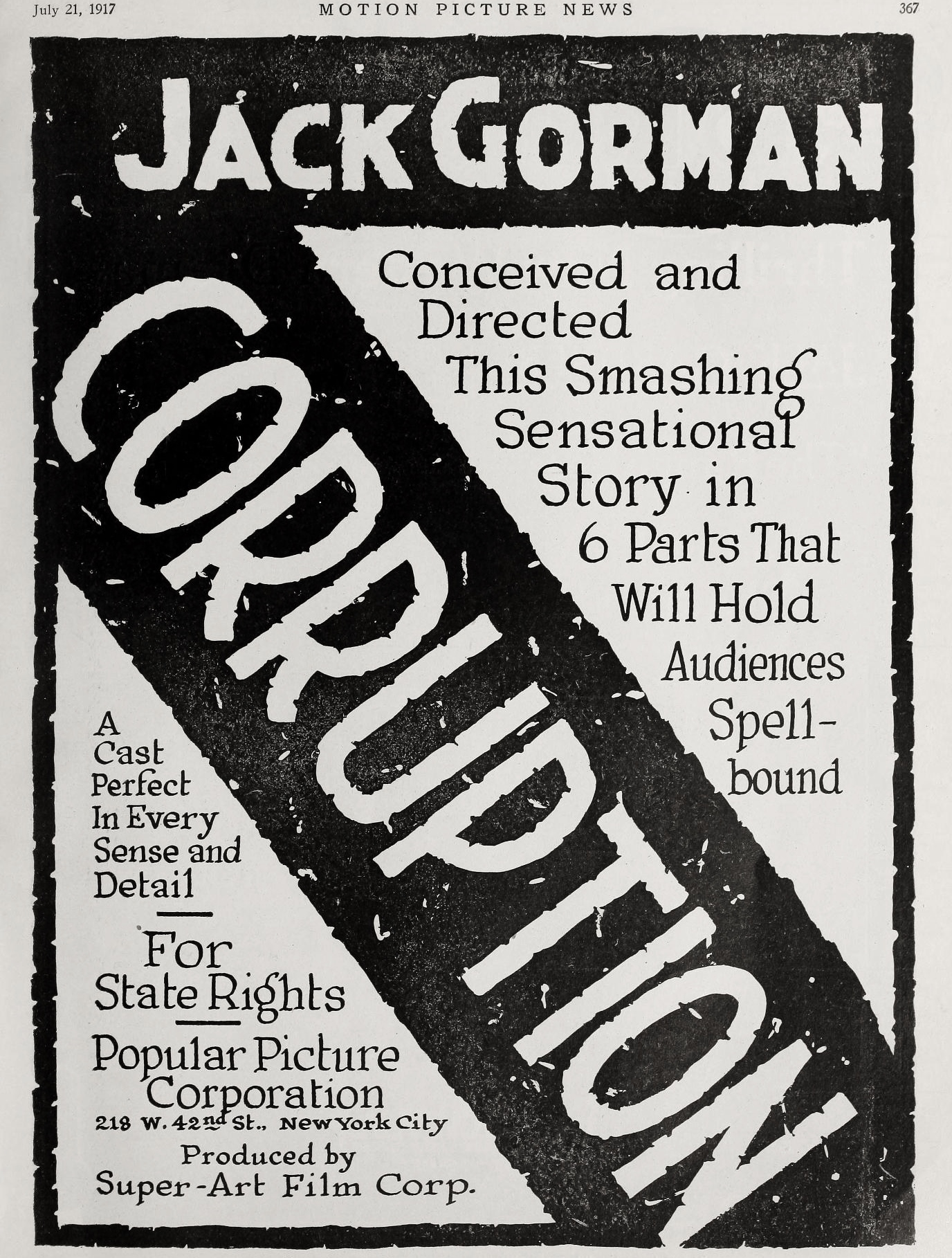
Director's Spotlight: United States
A Deep Dive into the 1917 Vision of John Gorman
Under the meticulous guidance of John Gorman, Corruption became the cultural zeitgeist captured so perfectly by John Gorman in 1917. Driven by an uncompromising commitment to cult excellence, it remains a vital reference point for anyone studying the evolution of John Gorman.
In Corruption, John Gorman pushes the boundaries of conventional narrative. The film's unique approach to its subject matter has sparked endless debates and interpretations among cinephiles and critics alike.
| Cinematography | Handheld |
| Soundtrack | Experimental |
| Editing | Invisible |
| Art Direction | Kitsch |
Visualizing the convergence of John Gorman's style and the core cult narrative.
Becoming pregnant after an affair with her boss's son, Philip Montrose, Grace visits abortionist Dr. Robert Lynn. When the doctor's wife discovers that Grace is her own child whom she had left with her sister-in-law years earlier, Mrs. Lynn takes the girl to Mr. Montrose to expose the perfidy of his son. His father compels Philip to marry Grace, but their marriage is an unhappy one and in a fit of rage one day Philip strikes his wife. Thinking that he has killed her, he flees, but Grace physically recovers although her mind remains deranged. All efforts to restore her sanity are to no avail until the repentant husband returns and takes her in his arms. Meanwhile, Dr. Lynn takes poison after the nature of his practice is exposed.
Decades after its release, Corruption remains a vital piece of the cinematic puzzle. Its influence can be seen in countless modern works, solidifying John Gorman's status as a master of the craft in United States and beyond.