
DbcultAccessing Vault...
Director's Spotlight
Senior Film Conservator
Director's Spotlight: United States
A Deep Dive into the 1921 Vision of John Gorman
Analyzing The Butterfly Girl (1921) requires a deep dive into the unique directorial voice that John Gorman brought to the screen. By challenging the status quo of 1921 cinema, it continues to spark endless debates among critics and cinephiles alike.
In The Butterfly Girl, John Gorman pushes the boundaries of conventional narrative. The film's unique approach to its subject matter has sparked endless debates and interpretations among cinephiles and critics alike.
To fully appreciate The Butterfly Girl, one must consider the cinematic climate of 1921. During this period, United States was undergoing significant artistic shifts, and John Gorman was at the forefront of this Drama movement, often challenging established norms.
| Cinematography | Handheld |
| Soundtrack | Experimental |
| Editing | Elliptical |
| Art Direction | Expressionist |
Visualizing the convergence of John Gorman's style and the core Drama narrative.
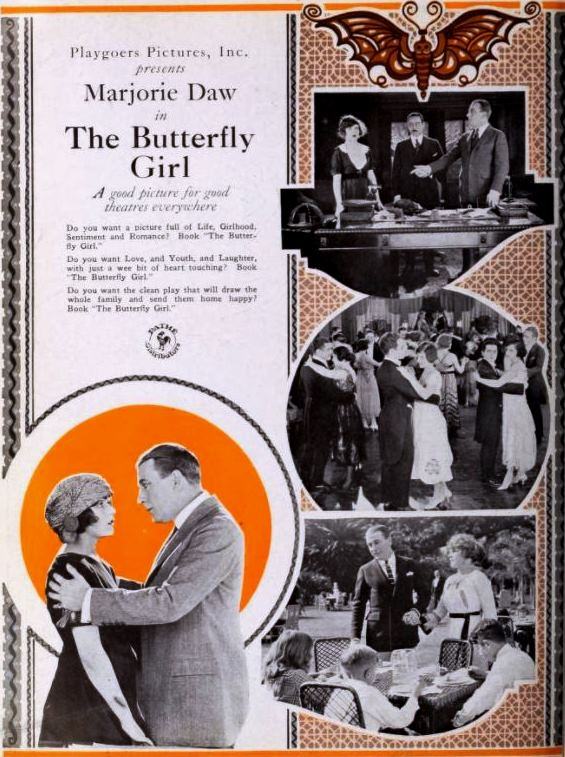
Wealthy Edith Folsom greatest ambition is to have a score of admirers at her feet, leaves her local boyfriend, Ned Lorimer, for the city. On the train she encounters a schoolmate, Lorna Lear, and Lorna's cousin, John Blaine, who promptly falls for her. On the night of Lorna's ball, Edith meets H. H. Van Horn, an elderly banker who brings her home in his car. Scolded by Lorna, she runs off to a hotel; then, when her money is depleted, she takes a position as Van Horn's secretary. Two days later she meets John, and they are married. When Van Horn declares his love for her and is overheard by his wife, Edith resolves to reform and take an interest in Mrs. Van Horn's social work.
Decades after its release, The Butterfly Girl remains a vital piece of the cinematic puzzle. Its influence can be seen in countless modern works, solidifying John Gorman's status as a master of the craft in United States and beyond.