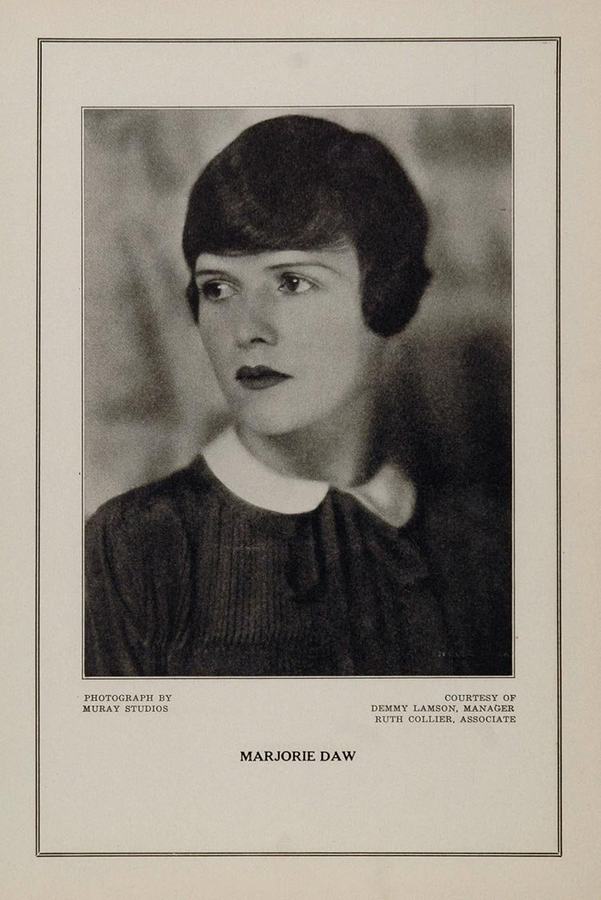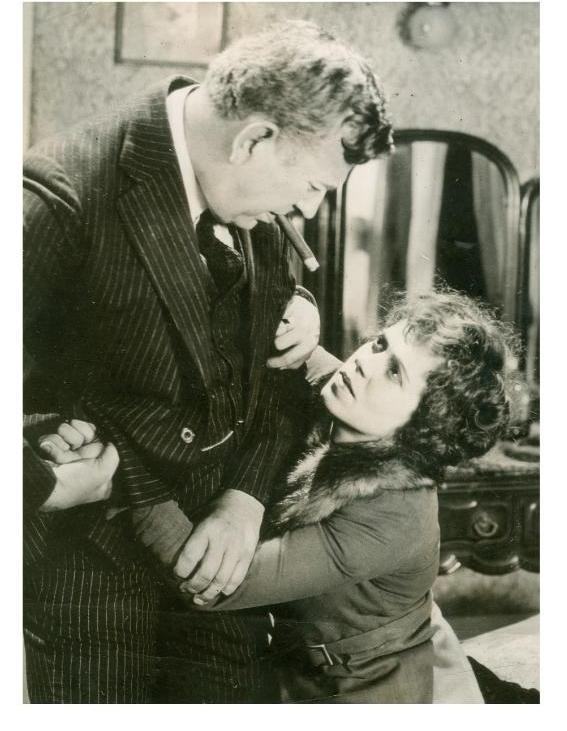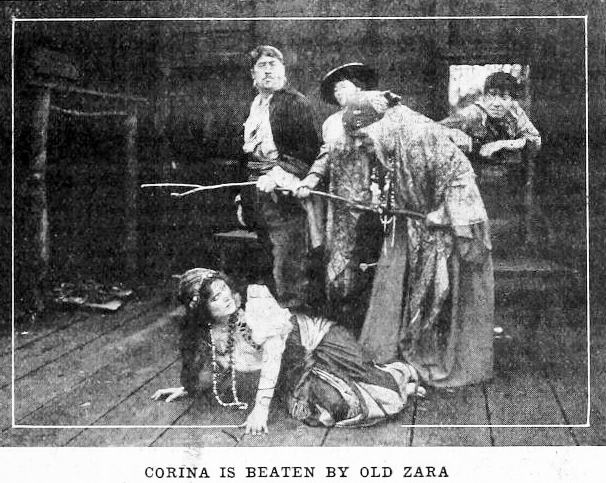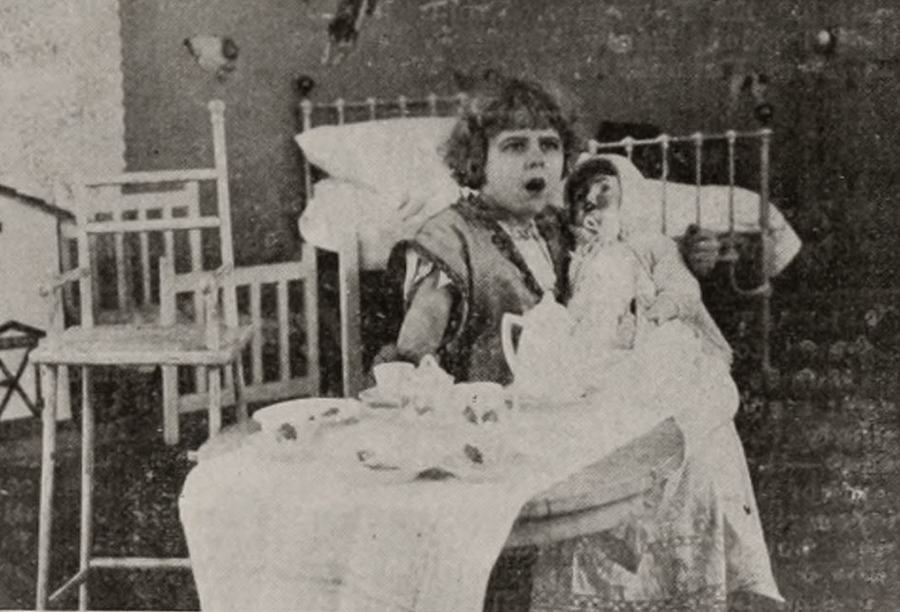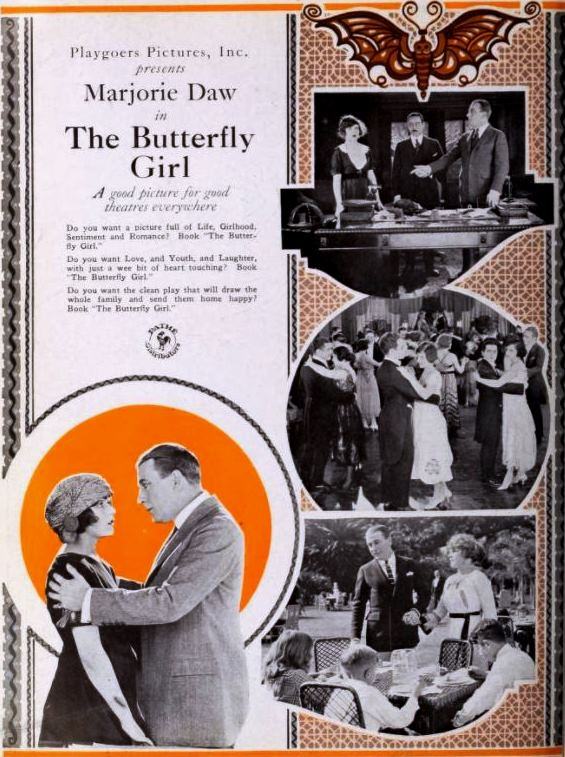
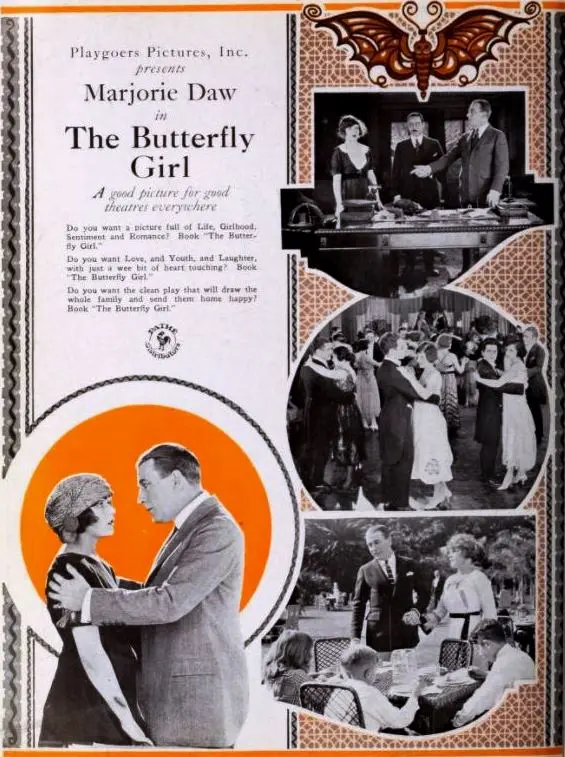
Wealthy Edith Folsom greatest ambition is to have a score of admirers at her feet, leaves her local boyfriend, Ned Lorimer, for the city. On the train she encounters a schoolmate, Lorna Lear, and Lorna's cousin, John Blaine, who promptly falls for her.
The Ephemeral Radiance of the Social Parasite To gaze upon The Butterfly Girl (1921) today is to witness the nascent anxieties of a post-Victorian society grappling with the 'New Woman'—a figure at once liberated and dangerously untethered. John Gorman’s direction doesn't merely capture a plot; it captures a fever d...
production_art
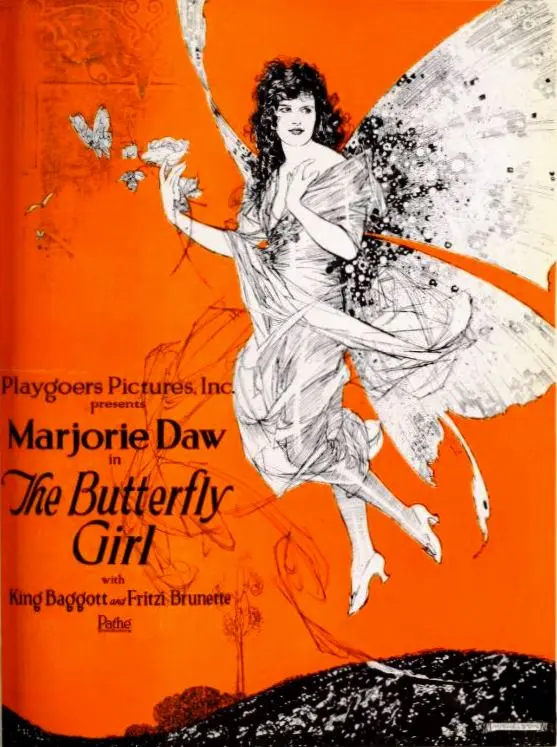
production_art
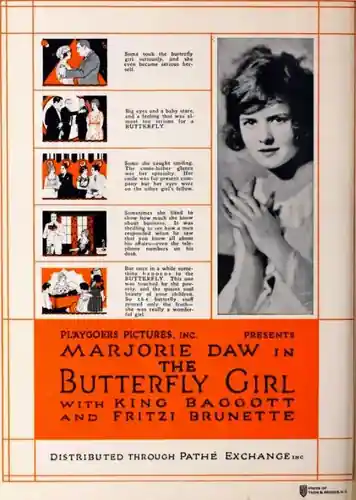
production_art

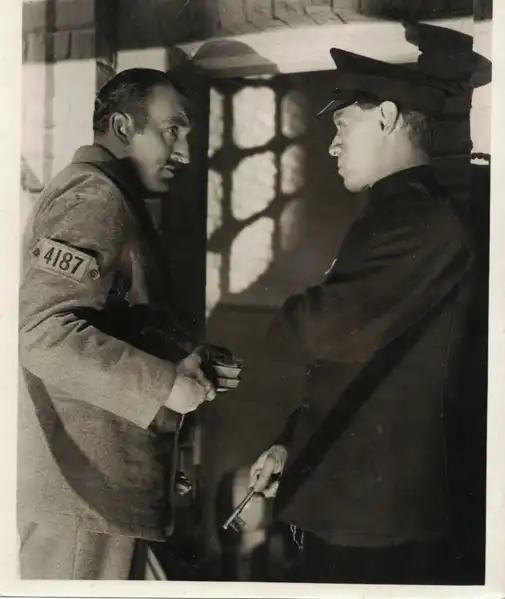
Comparing the cinematic DNA and archive impact of two defining moments in cult history.
John Gorman

Alexander Butler
Community
Log in to comment.
" The Ephemeral Radiance of the Social Parasite To gaze upon The Butterfly Girl (1921) today is to witness the nascent anxieties of a post-Victorian society grappling with the 'New Woman'—a figure at once liberated and dangerously untethered. John Gorman’s direction doesn't merely capture a plot; it captures a fever dream of social mobility and the corrosive nature of the male gaze. Edith Folsom is not merely a character; she is a symptom of a burgeoning modernity where attention is the only cu..."
John Gorman
United States

Deep dive into the cult classic
Discover similar cinematic experiences
A Directorial Spotlight on John Gorman