
DbcultAccessing Vault...
Director's Spotlight
Senior Film Conservator
Director's Spotlight: United States
A Deep Dive into the 1926 Vision of John Gorman
As we revisit the 1926 masterpiece The Prince of Broadway, we are struck by the atmospheric immersion that John Gorman achieves throughout The Prince of Broadway. Exploring the nuances of the human condition with Drama flair, it solidifies John Gorman's reputation as a master of the craft.
In The Prince of Broadway, John Gorman pushes the boundaries of conventional narrative. The film's unique approach to its subject matter has sparked endless debates and interpretations among cinephiles and critics alike.
| Cinematography | Deep Focus |
| Soundtrack | Minimalist |
| Editing | Slow-Burn |
| Art Direction | Brutalist |
Visualizing the convergence of John Gorman's style and the core Drama narrative.
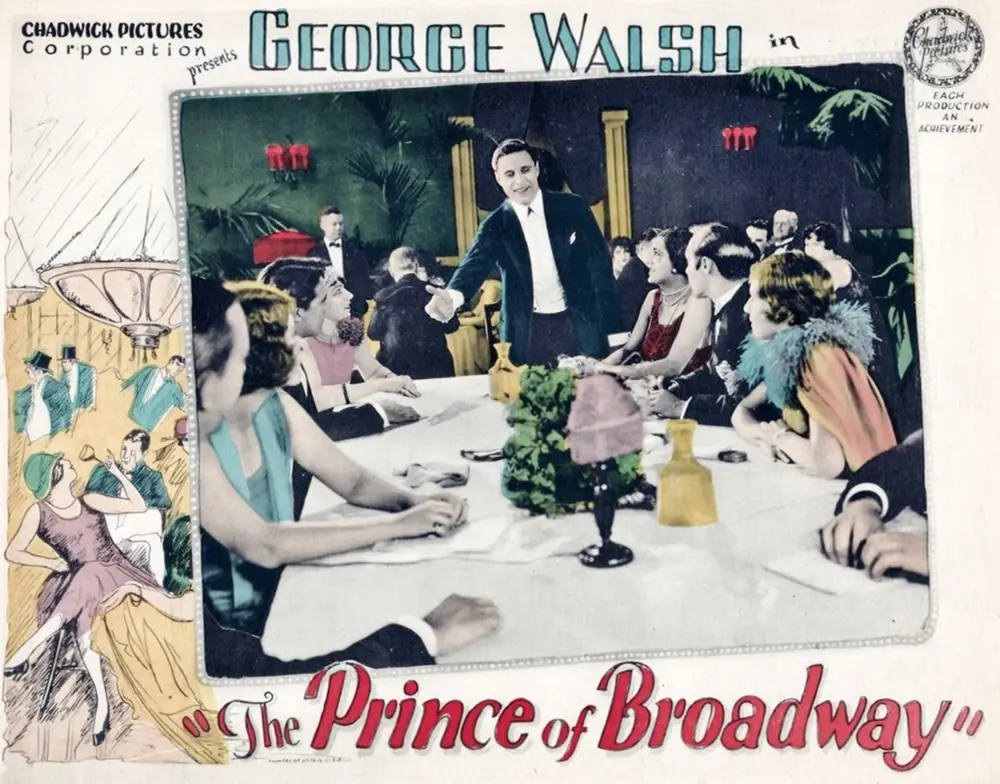
George Burke, heavyweight boxing champion of the world, is called "The Prince of Broadway" because he trains by drinking and dancing all night. After he is knocked out, his manager tears up his contract and tells him he is through. Actress Nancy Lee, his childhood sweetheart, rescues him from the gutter and sends him to the ranch owned by her admirer, Wade Turner. Wade, jealous of George, tells his foreman, Buck Marshall, to hinder George's comeback. Former champion and neighbor Jim Jeffries offers to help George get back into condition. Wade tells Nancy that George is not training, but she does not believe him. She goes out to the ranch and uncovers the conspiracy. George regains the championship and wins Nancy's hand.
Decades after its release, The Prince of Broadway remains a vital piece of the cinematic puzzle. Its influence can be seen in countless modern works, solidifying John Gorman's status as a master of the craft in United States and beyond.