
DbcultAccessing Vault...
Director's Spotlight
Senior Film Conservator
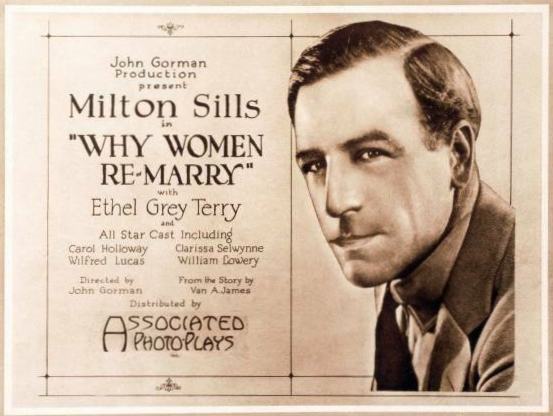
Director's Spotlight: United States
A Deep Dive into the 1923 Vision of John Gorman
The 1923 release of Why Women Remarry marked a significant moment for the enduring legacy of John Gorman's artistic contribution to the genre. By challenging the status quo of 1923 cinema, it has cemented its place in the global cult cinema archive.
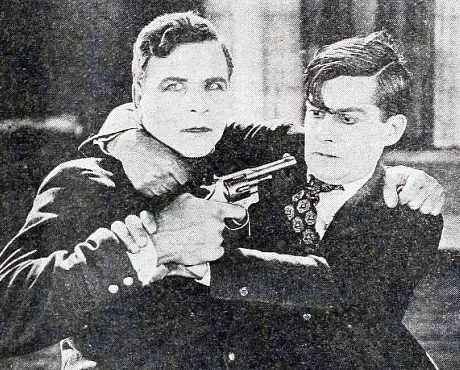
In Why Women Remarry, John Gorman pushes the boundaries of conventional narrative. The film's unique approach to its subject matter has sparked endless debates and interpretations among cinephiles and critics alike.
| Cinematography | Static |
| Soundtrack | Diegetic |
| Editing | Elliptical |
| Art Direction | Expressionist |
Visualizing the convergence of John Gorman's style and the core Drama narrative.
Martin Talbot, a gambler who mistreats and neglects his family, is killed by Tuck McKinnon, but the blame falls on Don Compton, who holds a grudge against the victim and is found with the murder weapon. Policeman Dan Hannon eventually solves the crime while taking an interest in Mary Talbot and her children. The wives involved in the case all find new husbands: Mary Talbot marries Dan; Mrs. Compton realizes that Robert Milton, the sweetheart of her youth, is more understanding of her charitable work; jazz-crazed Mrs. McKinnon finds happiness with a musician named Billy; and Dan's sister seeks happiness with a new mate.
Decades after its release, Why Women Remarry remains a vital piece of the cinematic puzzle. Its influence can be seen in countless modern works, solidifying John Gorman's status as a master of the craft in United States and beyond.