
DbcultAccessing Vault...
Director's Spotlight
Senior Film Conservator
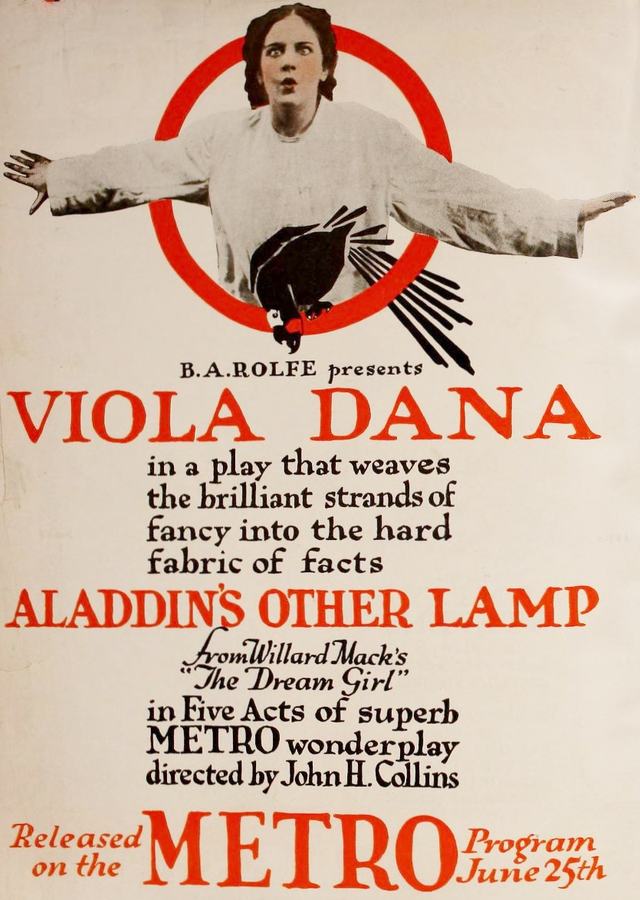
Director's Spotlight: United States
A Deep Dive into the 1917 Vision of John H. Collins
Under the meticulous guidance of John H. Collins, Aladdin's Other Lamp became the cultural zeitgeist captured so perfectly by John H. Collins in 1917. Driven by an uncompromising commitment to cult excellence, it remains a vital reference point for anyone studying the evolution of John H. Collins.
In Aladdin's Other Lamp, John H. Collins pushes the boundaries of conventional narrative. The film's unique approach to its subject matter has sparked endless debates and interpretations among cinephiles and critics alike.
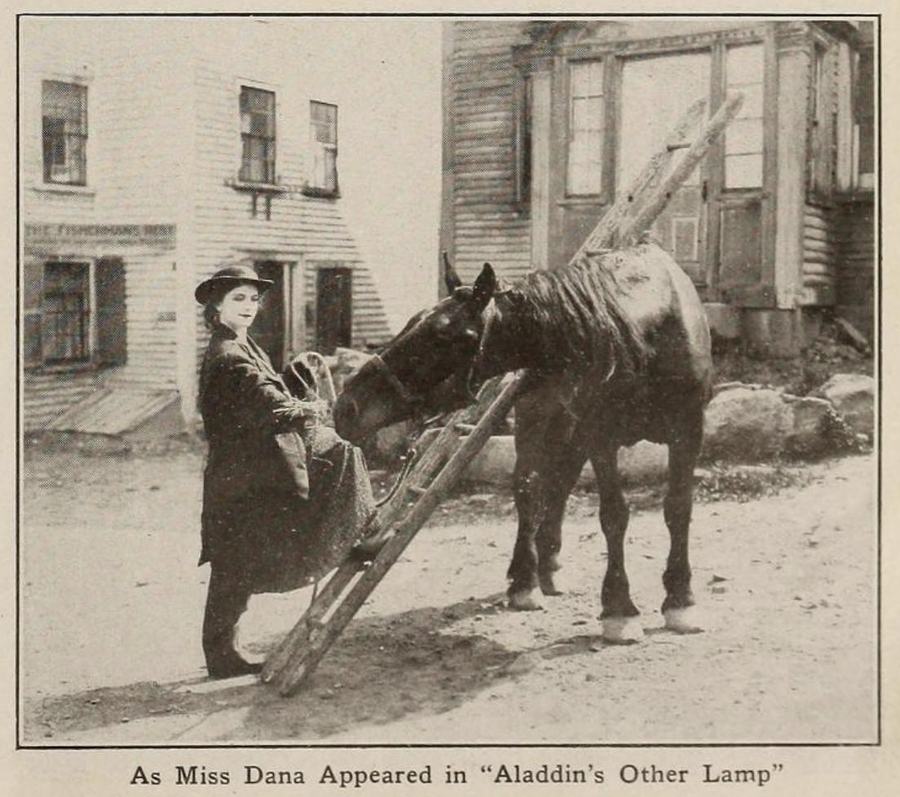
The visual language of Aladdin's Other Lamp is defined by its use of shadows and framing, a hallmark of John H. Collins's style. By utilizing a 1917-era palette, the film creates an immersive experience that perfectly complements its cult themes.
| Cinematography | Static |
| Soundtrack | Diegetic |
| Editing | Rhythmic |
| Art Direction | Naturalist |
Visualizing the convergence of John H. Collins's style and the core cult narrative.
When she was a baby, Patsy Smith's father quarreled with his wife and kidnapped Patsy. After her father died at sea, Captain Barnaby took Patsy to Mrs. Duff's boardinghouse for seafarers. Dissatisfied with drudgery, Patsy, inspired by Barnaby's tales of Aladdin, searches for her father's Oriental lamp which Mrs. Duff sold to a junk peddler. Patsy buys the lamp and after rubbing it, the Genie Jehaunarara appears. He beautifies her room, restores Barnaby's leg, and turns Mrs. Duff into a rag doll. Because love is beyond his magic, however, the Genie cannot reunite Patsy with her mother. At a masquerade ball, when the Genie's costume wins first prize, Patsy's applause unwittingly causes him to disappear. Clad only in her underwear, Patsy runs to her mother, and awakens from a dream. Disheartened, she throws the lamp out the window, and it nearly strikes her friend Harry, a grocer's boy who wants to become a lawyer, and then, like Lincoln, president. From letters found in the lamp, they locate Patsy's mother, who arrives with her brother, a distinguished judge. Taken under his wing, Harry now imagines himself president with Patsy as his first lady.
Decades after its release, Aladdin's Other Lamp remains a vital piece of the cinematic puzzle. Its influence can be seen in countless modern works, solidifying John H. Collins's status as a master of the craft in United States and beyond.