
DbcultAccessing Vault...
Director's Spotlight
Senior Film Conservator
Director's Spotlight: United States
A Deep Dive into the 1915 Vision of John H. Collins
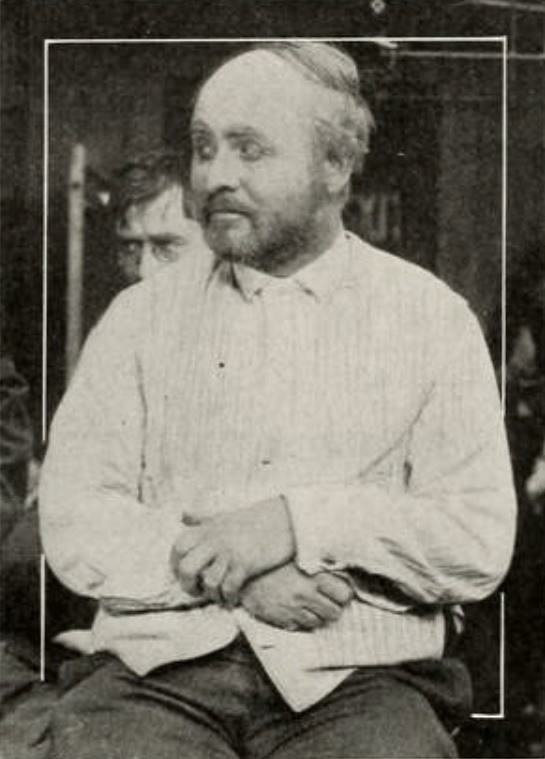
Witnessing the stylistic transformation of cult through Cohen's Luck reveals the provocative questions that John H. Collins poses to the United States audience. Exploring the nuances of the human condition with cult flair, it showcases the power of cult as a tool for social commentary.
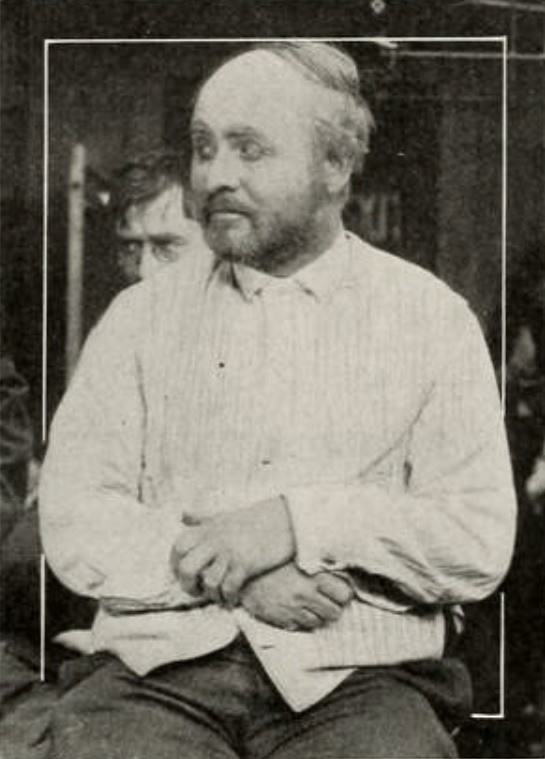
In Cohen's Luck, John H. Collins pushes the boundaries of conventional narrative. The film's unique approach to its subject matter has sparked endless debates and interpretations among cinephiles and critics alike.
| Cinematography | Deep Focus |
| Soundtrack | Minimalist |
| Editing | Disjunctive |
| Art Direction | Baroque |
Visualizing the convergence of John H. Collins's style and the core cult narrative.
President of the Buttonhole Makers' Union Abe Cohen, loses his job in Sam Blumenthal's East Side sweatshop when he endorses Timothy Murphy for alderman over Steve O'Roque, to whom Blumenthal is indebted. After Murphy helps Cohen start a kosher restaurant, Cohen learns that he and his former co-worker, Kitty McGee, won $10,000 in the lottery. He gives free meals to his customers, but when Kitty discovers that her purse containing half of the ticket was stolen, Cohen clears the "loafers" out. Cohen's daughter Minnie, in love with Blumenthal, secretly marries him, but Blumenthal, already married although separated from his wife, keeps Minnie's ring and their marriage certificate. Doubting the marriage, Cohen turns Minnie out, but when Blumenthal's wife appears, and Minnie's suitor, David Moss, whom Cohen likes, finds her, the marriage is invalidated and Cohen reconciles with his daughter. Mixing with the underworld, Cohen outwits the thief who stole Kitty's ticket. Despite a flood coming down from the apartment above, the ensuing celebration marks Minnie and David's engagement.
Decades after its release, Cohen's Luck remains a vital piece of the cinematic puzzle. Its influence can be seen in countless modern works, solidifying John H. Collins's status as a master of the craft in United States and beyond.