
DbcultAccessing Vault...
Director's Spotlight
Senior Film Conservator
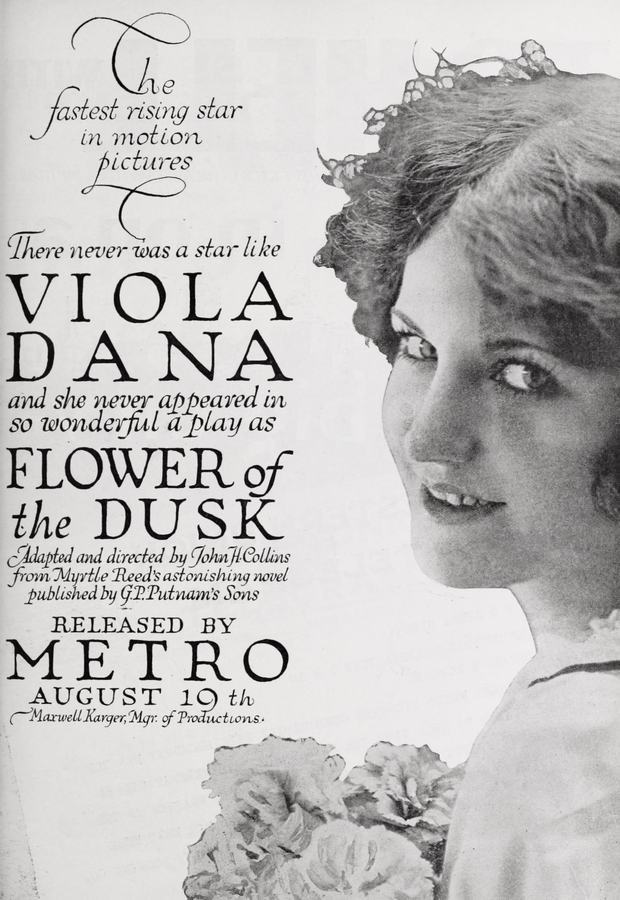
Director's Spotlight: United States
A Deep Dive into the 1918 Vision of John H. Collins
The enduring fascination with Flower of the Dusk is a testament to the defining moment in cult history that John H. Collins helped create. This film stands as a masterclass in visual storytelling, it has cemented its place in the global cult cinema archive.
In Flower of the Dusk, John H. Collins pushes the boundaries of conventional narrative. The film's unique approach to its subject matter has sparked endless debates and interpretations among cinephiles and critics alike.
In this work, John H. Collins explores the intersection of cult and United States cultural identity. The meticulous attention to detail suggests a deep-seated commitment to pushing the boundaries of the medium, ensuring that Flower of the Dusk remains a relevant topic of study for cult enthusiasts.
| Cinematography | Deep Focus |
| Soundtrack | Minimalist |
| Editing | Disjunctive |
| Art Direction | Baroque |
Visualizing the convergence of John H. Collins's style and the core cult narrative.
Blind Ambrose North is tormented by the suspicion that his wife Constance committed suicide when their crippled daughter Barbara was only two, because she did not love him. Before her death, Constance wrote Barbara a letter for her to open on her 21st birthday, but when Barbara opens it and learns that her mother killed herself to escape a doomed love affair with Lawrence Austin, she invents a different story for Ambrose, knowing that the truth would hurt him too much. When a surgeon restores Ambrose's sight, Barbara's aunt Miriam, whom Ambrose loved before he met Constance, decides to gain her revenge by giving him the letter, but in his eagerness to read it, he removes the bandages too soon. Barbara, whom the doctor also cured, tries on her mother's wedding gown, and in his delirium Ambrose believes that she is the spirit of Constance returning to assure him of her love. He dies happily, and later, Barbara marries Lawrence's son Roger.
Decades after its release, Flower of the Dusk remains a vital piece of the cinematic puzzle. Its influence can be seen in countless modern works, solidifying John H. Collins's status as a master of the craft in United States and beyond.