
DbcultAccessing Vault...
Director's Spotlight
Senior Film Conservator
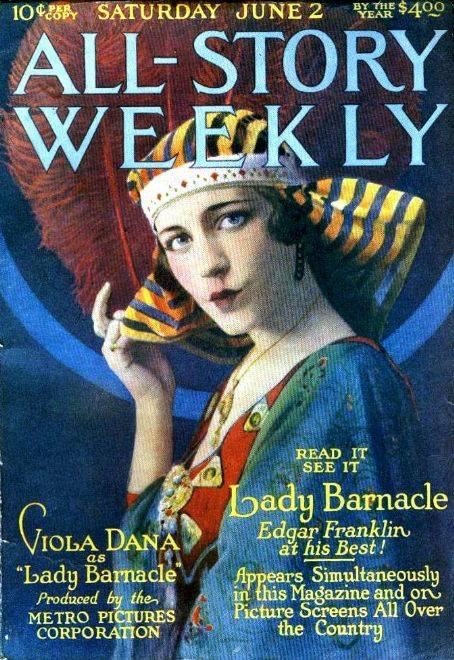
Director's Spotlight: United States
A Deep Dive into the 1917 Vision of John H. Collins
The thematic gravity of Lady Barnacle (1917) is rooted in the historical context that John H. Collins weaves into the cult fabric. Synthesizing the best elements of United States and international cinema, it highlights the importance of independent voices in United States.
In Lady Barnacle, John H. Collins pushes the boundaries of conventional narrative. The film's unique approach to its subject matter has sparked endless debates and interpretations among cinephiles and critics alike.
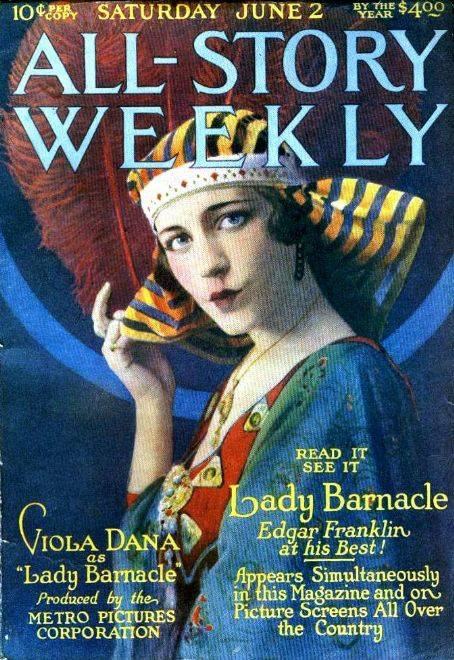
In this work, John H. Collins explores the intersection of cult and United States cultural identity. The meticulous attention to detail suggests a deep-seated commitment to pushing the boundaries of the medium, ensuring that Lady Barnacle remains a relevant topic of study for cult enthusiasts.
| Cinematography | Deep Focus |
| Soundtrack | Minimalist |
| Editing | Disjunctive |
| Art Direction | Baroque |
Visualizing the convergence of John H. Collins's style and the core cult narrative.
Krishna Dhwaj, the son of the Maharajah of Rhamput, is in love with Lakshima, the daughter of the Maharajah of Bhartari, but their fathers will not allow them to marry. Krishna is then sent to Harvard to get an American education. Lakshima, determined to kill herself when her father orders her to marry an old man, jumps into the ocean. She does not drown, however, but is rescued by George Morling, a Bostonian, who smuggles her on board his ship dressed in boy's clothing. George, the son of a minister, is engaged to a proper Bostonian woman. Although he has not behaved improperly, George fears that his fiancé and her father will not understand the situation, and so he hides Lakshima in a trunk. Once back in Boston, George's fiancé discovers Lakshima and is horrified, but after several misunderstandings, George and his fiancé are reconciled, and Lakshima is able to find and marry her Indian sweetheart Krishna.
Decades after its release, Lady Barnacle remains a vital piece of the cinematic puzzle. Its influence can be seen in countless modern works, solidifying John H. Collins's status as a master of the craft in United States and beyond.