
DbcultAccessing Vault...
Director's Spotlight
Senior Film Conservator
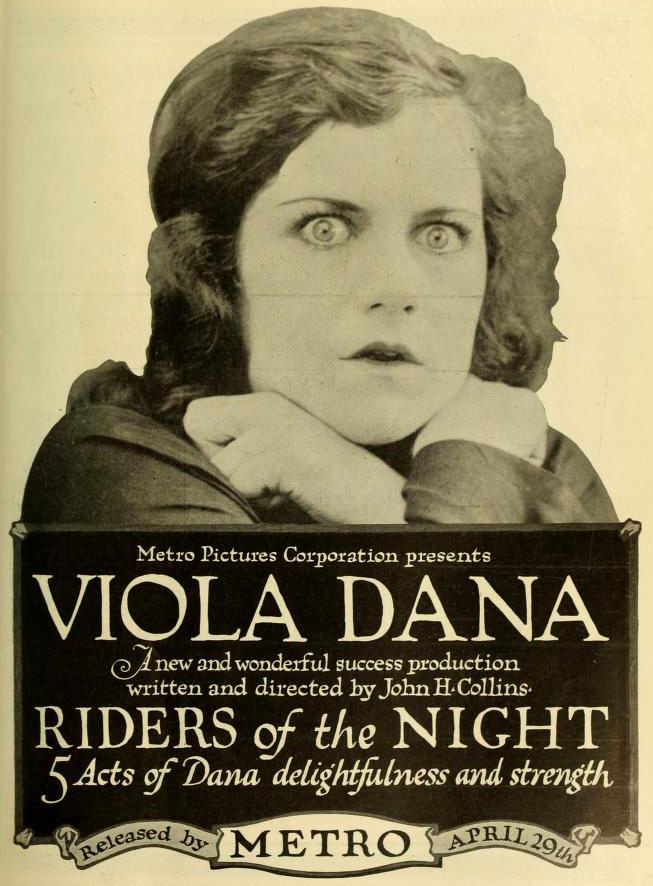
Director's Spotlight: United States
A Deep Dive into the 1918 Vision of John H. Collins
Peeling back the layers of John H. Collins's Riders of the Night exposes the collaborative alchemy between John H. Collins and the 1918 creative team. Anchored by a narrative that is both personal and universal, it reinforces the idea that cinema is a medium of infinite possibilities.
In Riders of the Night, John H. Collins pushes the boundaries of conventional narrative. The film's unique approach to its subject matter has sparked endless debates and interpretations among cinephiles and critics alike.
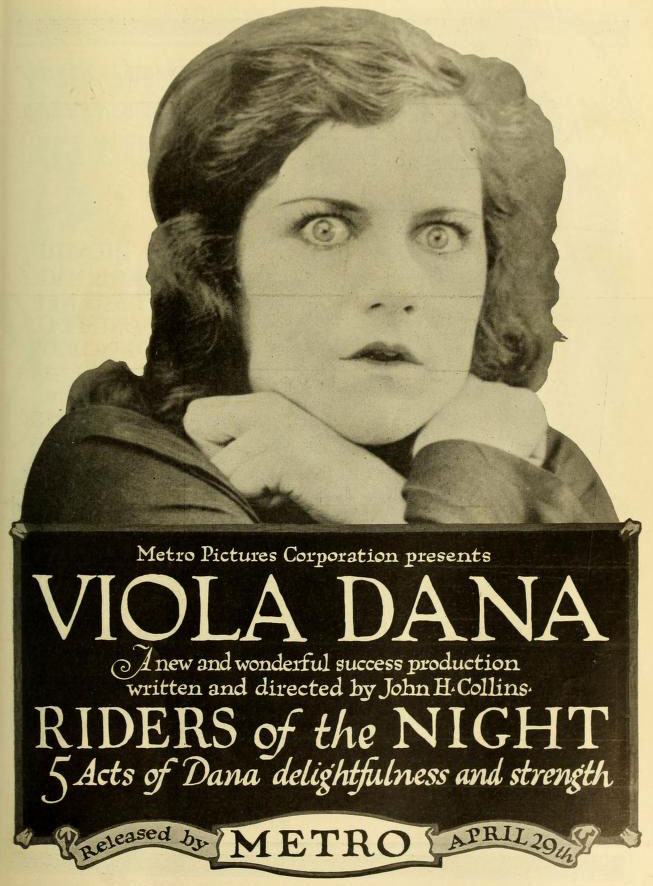
To fully appreciate Riders of the Night, one must consider the cinematic climate of 1918. During this period, United States was undergoing significant artistic shifts, and John H. Collins was at the forefront of this cult movement, often challenging established norms.
| Cinematography | Deep Focus |
| Soundtrack | Diegetic |
| Editing | Elliptical |
| Art Direction | Expressionist |
Visualizing the convergence of John H. Collins's style and the core cult narrative.
In going for a doctor for her sick grandfather, Sally Castleton is detained at the toll-gates by John Derr. The old man dies and the villagers organize themselves into a band of night riders to break down the gates. Jed, who is known as "The Killer," turns traitor, and in the fight with the authorities, Milt, Derr's cousin, loses his hat. Derr finds it and assumes that he is responsible for the raid by the sheriff. Sully is in love with Milt, and Derr, who also wants to make her his wife, threatens to send his cousin to the gallows if she does not consent to be his. Milt hears of Derr's intention and plans to secure revenge. Derr is killed and Sally becomes involved in the murder. After many exciting moments Sally emerges triumphant, however, and marries the man of her heart's choice.
Decades after its release, Riders of the Night remains a vital piece of the cinematic puzzle. Its influence can be seen in countless modern works, solidifying John H. Collins's status as a master of the craft in United States and beyond.