
DbcultAccessing Vault...
Director's Spotlight
Senior Film Conservator
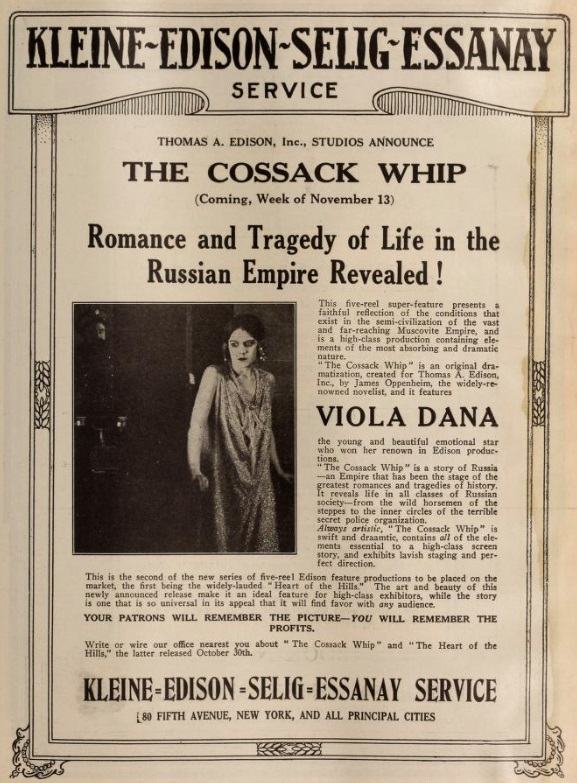
Director's Spotlight: United States
A Deep Dive into the 1916 Vision of John H. Collins
Deciphering the layers of The Cossack Whip (1916) reveals a monumental shift in cult filmmaking spearheaded by John H. Collins. With its avant-garde structure and atmospheric tension, offering layers of thematic complexity that demand repeated viewing.
In The Cossack Whip, John H. Collins pushes the boundaries of conventional narrative. The film's unique approach to its subject matter has sparked endless debates and interpretations among cinephiles and critics alike.
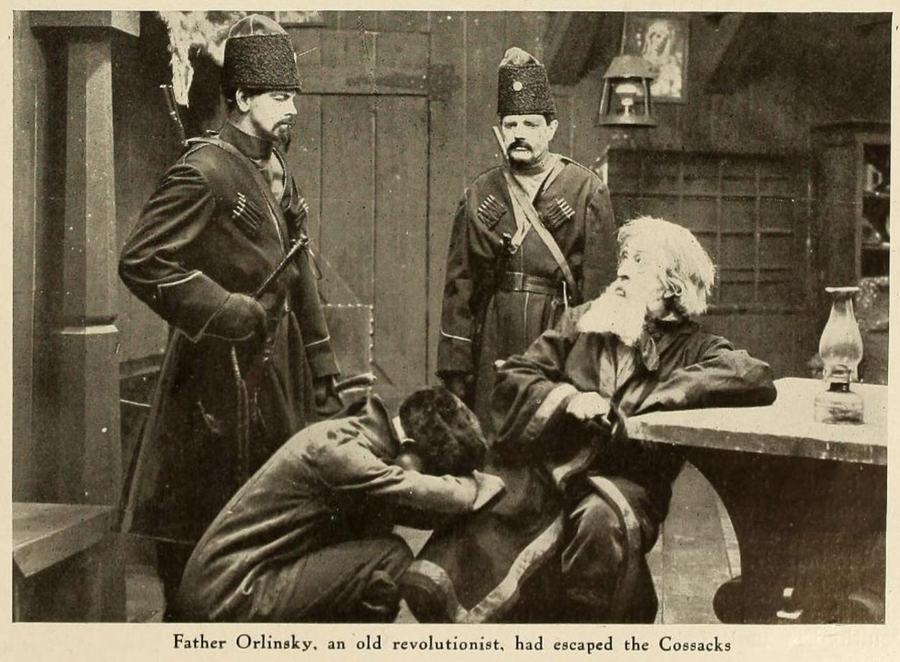
The visual language of The Cossack Whip is defined by its use of shadows and framing, a hallmark of John H. Collins's style. By utilizing a 1916-era palette, the film creates an immersive experience that perfectly complements its cult themes.
| Cinematography | Deep Focus |
| Soundtrack | Minimalist |
| Editing | Slow-Burn |
| Art Direction | Brutalist |
Visualizing the convergence of John H. Collins's style and the core cult narrative.
Feodor Turov, chief of the Russian Czar's secret police, orders his Cossacks to attack a village he believes to be infested with rebels. The Cossacks attack the village and massacre almost everyone, and the young Katerina is whipped to death. Before escaping to England, her sister Darya swears to avenge her sister's death. Years later--now one of the world's most famous prima ballerinas--she returns to Russia. Turov falls in love with her and manages to secure a meeting. She coyly asks him to take her to see a prison first. As it turns out, what he has planned for her is nothing compared to what she has planned for him.
Decades after its release, The Cossack Whip remains a vital piece of the cinematic puzzle. Its influence can be seen in countless modern works, solidifying John H. Collins's status as a master of the craft in United States and beyond.