
DbcultAccessing Vault...
Director's Spotlight
Senior Film Conservator
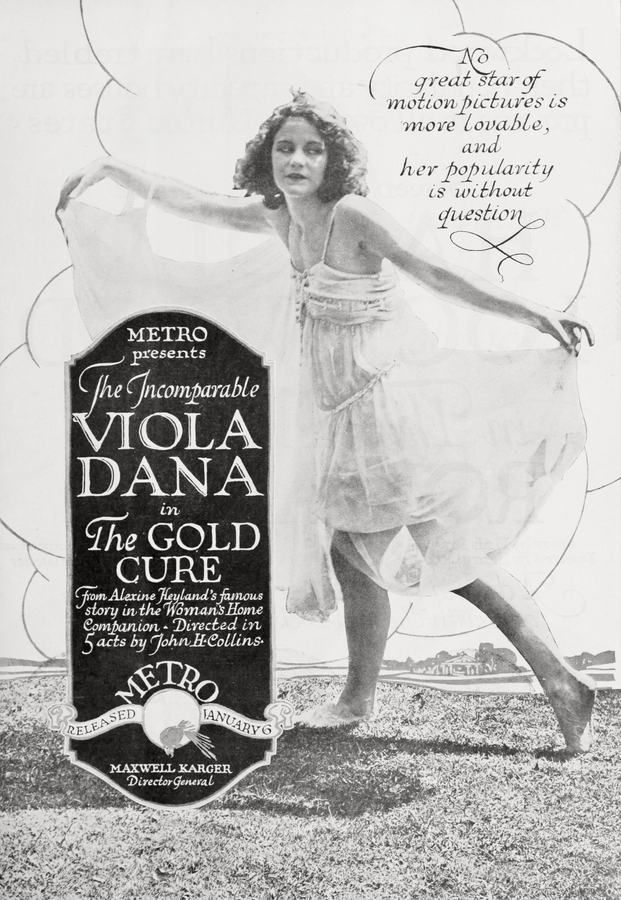
Director's Spotlight: United States
A Deep Dive into the 1919 Vision of John H. Collins
The brilliance of The Gold Cure (1919) is inseparable from a monumental shift in cult filmmaking spearheaded by John H. Collins. Occupying a unique space between cult and pure art, it serves as a blueprint for future generations of cult directors.
In The Gold Cure, John H. Collins pushes the boundaries of conventional narrative. The film's unique approach to its subject matter has sparked endless debates and interpretations among cinephiles and critics alike.
To fully appreciate The Gold Cure, one must consider the cinematic climate of 1919. During this period, United States was undergoing significant artistic shifts, and John H. Collins was at the forefront of this cult movement, often challenging established norms.
| Cinematography | Handheld |
| Soundtrack | Diegetic |
| Editing | Elliptical |
| Art Direction | Expressionist |
Visualizing the convergence of John H. Collins's style and the core cult narrative.
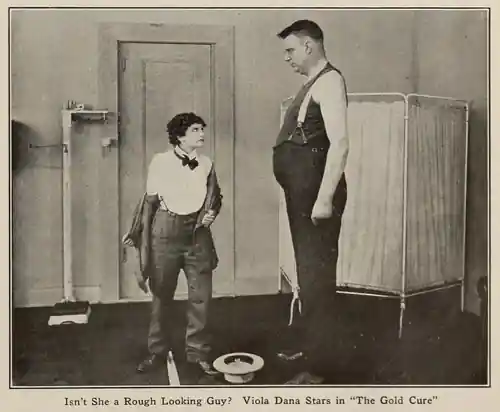
Annice Paisch and her friend, Edna Lawson, almost despair of finding husbands in their dull hometown until Annice is struck with the idea of strewing tacks over the heavily traveled road that passes her house. New Yorker Vance Duncan promptly has an accident and is forced to recuperate in the home of Annice's father, the local doctor. Vance sends Annice to the telegraph station to wire his uncle, Mike Darcy, and there she meets detective Robert Cord, who informs her that Vance is a hopeless alcoholic. Uncle Mike arrives and Annice immediately falls in love with him, while Edna longs for Vance. Cord has Vance imprisoned in Dr. Dumbbell's Sanitarium for Drunkards, but Annice, masquerading as a patient, smuggles him out. They arrive home to find someone else's "Uncle Mike" chastising the detective for tracking down the wrong man, and the four young lovers finally are left in peace.
Decades after its release, The Gold Cure remains a vital piece of the cinematic puzzle. Its influence can be seen in countless modern works, solidifying John H. Collins's status as a master of the craft in United States and beyond.