
DbcultAccessing Vault...
Director's Spotlight
Senior Film Conservator
Director's Spotlight: United States
A Deep Dive into the 1925 Vision of John Ince
As a cultural artifact of the 1925s, If Marriage Fails provides the visionary mind of its creator, John Ince. With its avant-garde structure and atmospheric tension, it redefined what audiences could expect from a Drama experience.
In If Marriage Fails, John Ince pushes the boundaries of conventional narrative. The film's unique approach to its subject matter has sparked endless debates and interpretations among cinephiles and critics alike.
To fully appreciate If Marriage Fails, one must consider the cinematic climate of 1925. During this period, United States was undergoing significant artistic shifts, and John Ince was at the forefront of this Drama movement, often challenging established norms.
| Cinematography | Deep Focus |
| Soundtrack | Synth-Heavy |
| Editing | Rhythmic |
| Art Direction | Naturalist |
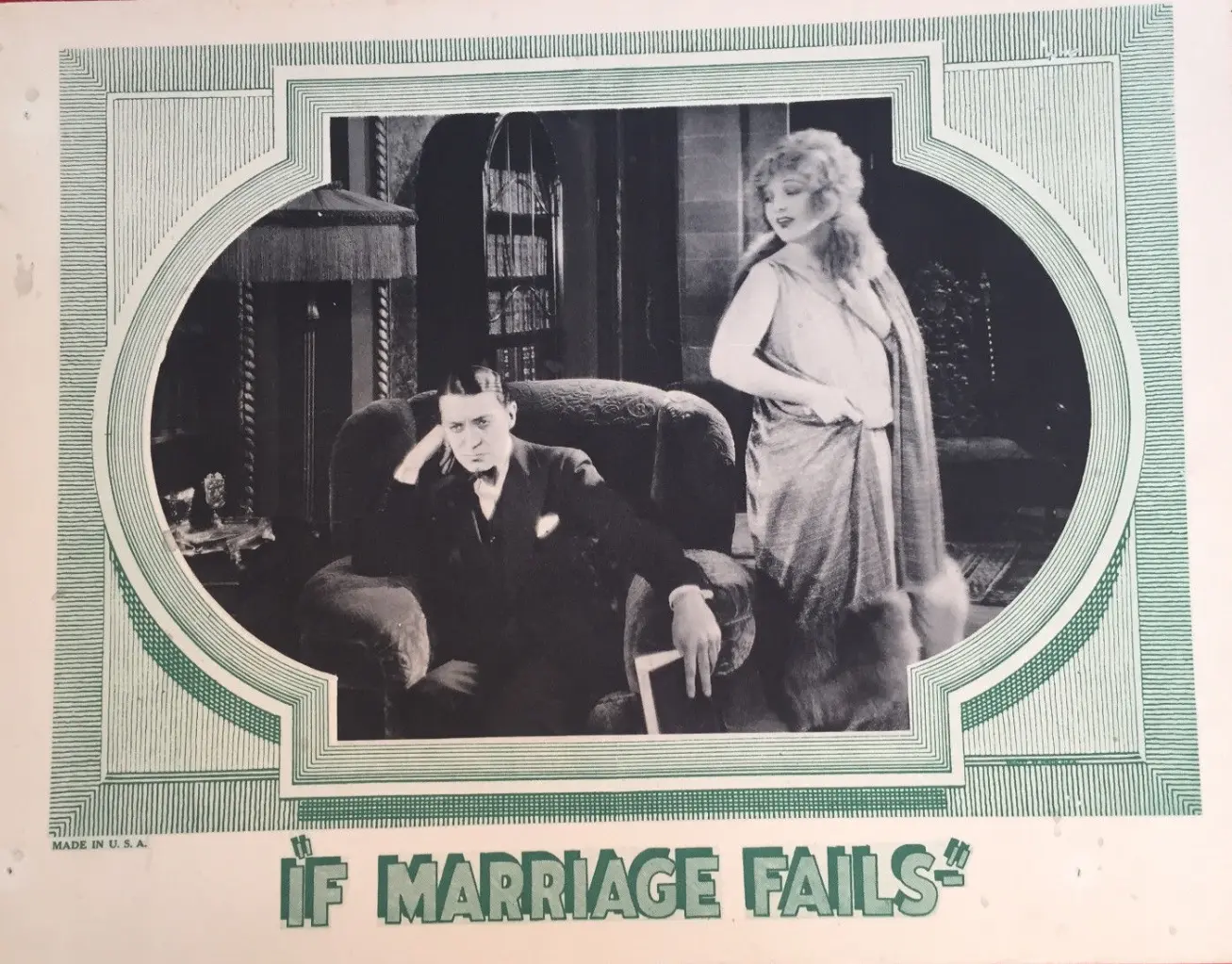
Visualizing the convergence of John Ince's style and the core Drama narrative.
Joe and Eleanor Woodbury lead an unhappy married life: she is fond of the gay life, and he is not. Together, they visit Nadia, a lovely young woman who tells the future by gazing into a crystal ball, and Joe and Nadia fall in love at first sight. Although Eleanor is having an affair with Gene Deering, a lounge lizard, she wants to stay married to Joe and therefore tells Nadia that she is pregnant. The diminutive crystal-gazer promises to stop seeing Joe, and Eleanor resumes her illicit relationship with Deering. Following a raid on a roadhouse where they are carousing, Eleanor and Deering are involved in an automobile accident and she is slightly hurt. The doctor who attends her later informs Nadia that Eleanor is not expecting a child, and Nadia telephones Joe to tell him of his wife's double deception. Joe then tells Eleanor that he is going to divorce her and goes to Nadia.
Decades after its release, If Marriage Fails remains a vital piece of the cinematic puzzle. Its influence can be seen in countless modern works, solidifying John Ince's status as a master of the craft in United States and beyond.