
DbcultAccessing Vault...
Director's Spotlight
Senior Film Conservator
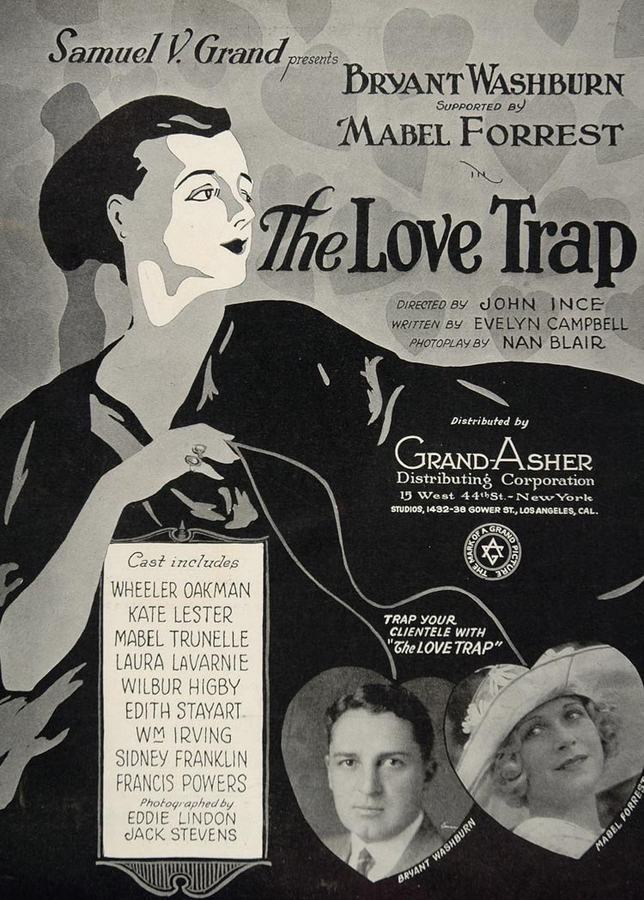
Director's Spotlight: United States
A Deep Dive into the 1923 Vision of John Ince
The brilliance of The Love Trap (1923) is inseparable from a monumental shift in Drama filmmaking spearheaded by John Ince. Occupying a unique space between Drama and pure art, it serves as a blueprint for future generations of Drama directors.
In The Love Trap, John Ince pushes the boundaries of conventional narrative. The film's unique approach to its subject matter has sparked endless debates and interpretations among cinephiles and critics alike.
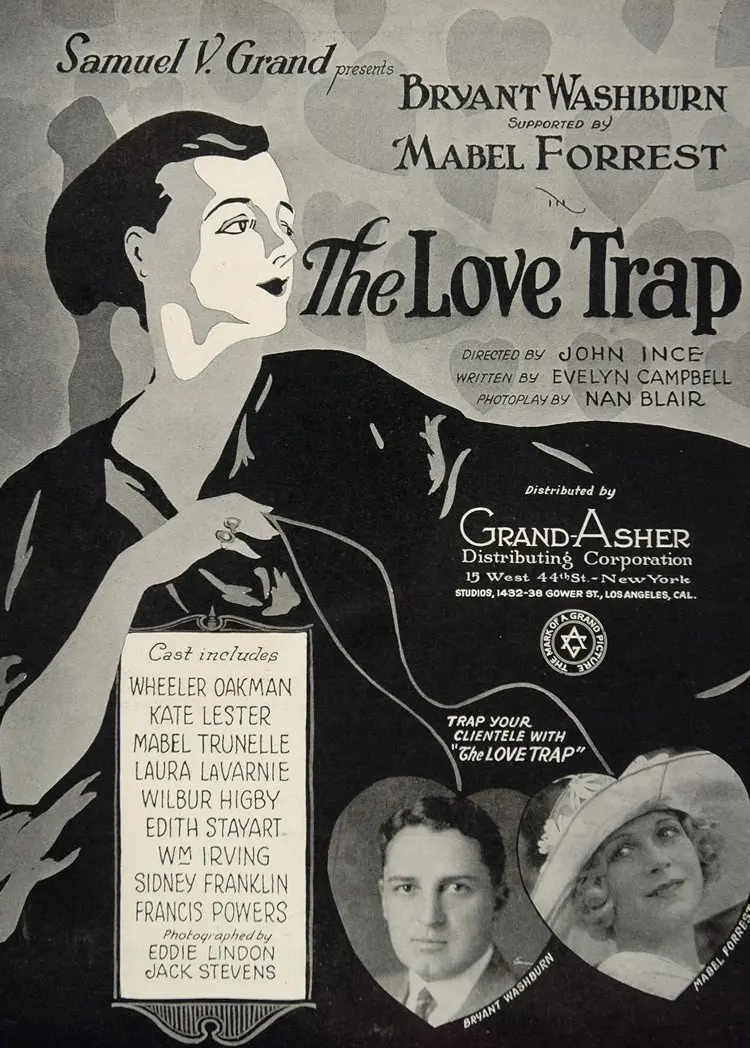
In this work, John Ince explores the intersection of Drama and United States cultural identity. The meticulous attention to detail suggests a deep-seated commitment to pushing the boundaries of the medium, ensuring that The Love Trap remains a relevant topic of study for Drama enthusiasts.
| Cinematography | Handheld |
| Soundtrack | Experimental |
| Editing | Elliptical |
| Art Direction | Expressionist |
Visualizing the convergence of John Ince's style and the core Drama narrative.
Young society girl Joyce Lyndon is engaged to energetic Grant Garrison, who lures the judge's daughter to a roadhouse for the night and meets his death at the hands of an abandoned wife. Joyce escapes in fright and meets Martin Antrim, who protects her in exchange for an introduction to her circle of friends. Antrim elicits a confession from Garrison's widow, and Joyce recovers an incriminating handbag from the innkeepers when they attempt to blackmail her.
Decades after its release, The Love Trap remains a vital piece of the cinematic puzzle. Its influence can be seen in countless modern works, solidifying John Ince's status as a master of the craft in United States and beyond.