
DbcultAccessing Vault...
Director's Spotlight
Senior Film Conservator
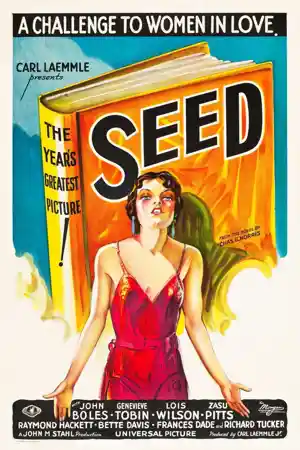
Director's Spotlight: United States
A Deep Dive into the 1931 Vision of John M. Stahl
In the storied career of John M. Stahl, Seed stands as a the provocative questions that John M. Stahl poses to the United States audience. Elevating the source material through John M. Stahl's unique vision, it persists as a haunting reminder of our own cinematic history.
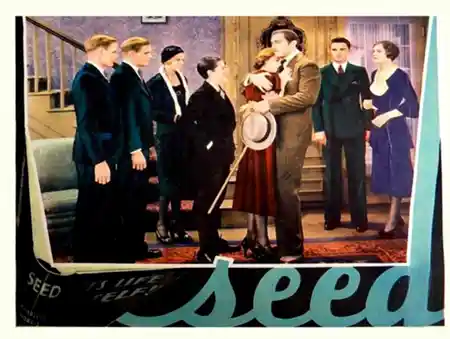
In Seed, John M. Stahl pushes the boundaries of conventional narrative. The film's unique approach to its subject matter has sparked endless debates and interpretations among cinephiles and critics alike.
| Cinematography | Static |
| Soundtrack | Diegetic |
| Editing | Rhythmic |
| Art Direction | Naturalist |
Visualizing the convergence of John M. Stahl's style and the core Drama narrative.
Bart is a clerk for a publishing company. He has written a novel. He and his wife Peggy have five children. Bart's former girlfriend Mildred manages the company's Paris office. She manages to get the novel published and talks Bart into marrying her after he divorces Peggy. Initially successful, Bart must turn to writing trash to keep Mildred in money. When he sees how well his four sons and daughter Margaret have grown without his help, he asks Peggy to let them all come live with him and Mildred. Peggy agrees, but the arrival of Bart's beloved children puts Mildred's future in jeopardy.
Decades after its release, Seed remains a vital piece of the cinematic puzzle. Its influence can be seen in countless modern works, solidifying John M. Stahl's status as a master of the craft in United States and beyond.