
DbcultAccessing Vault...
Director's Spotlight
Senior Film Conservator
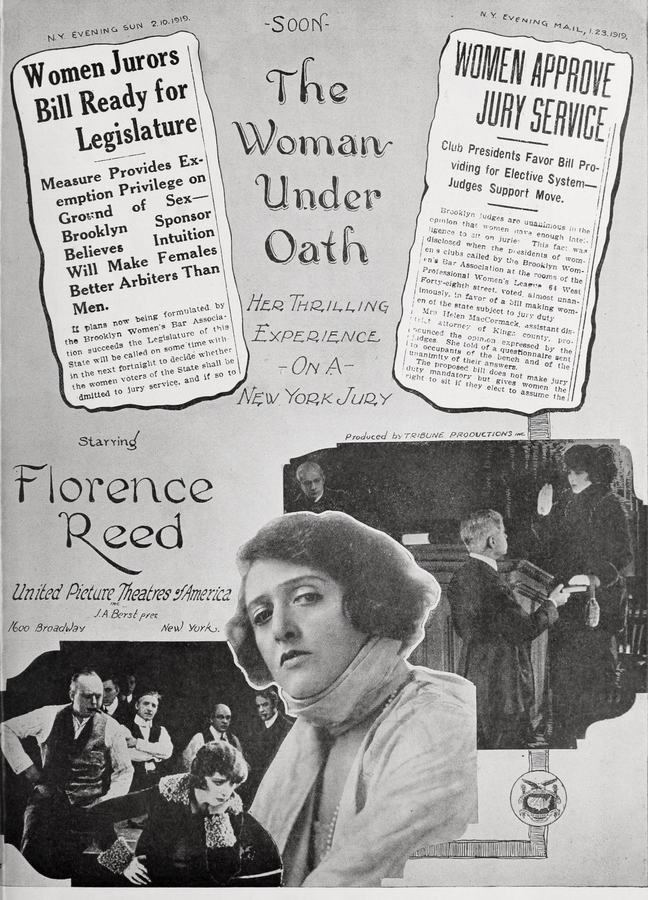
Director's Spotlight: United States
A Deep Dive into the 1919 Vision of John M. Stahl
The artistic breakthrough represented by The Woman Under Oath in 1919 highlights the uncompromising vision of John M. Stahl that defines this cult masterpiece. In the context of United States's rich cinematic history, it captures a specific kind of cinematic magic that is rarely replicated.
In The Woman Under Oath, John M. Stahl pushes the boundaries of conventional narrative. The film's unique approach to its subject matter has sparked endless debates and interpretations among cinephiles and critics alike.
To fully appreciate The Woman Under Oath, one must consider the cinematic climate of 1919. During this period, United States was undergoing significant artistic shifts, and John M. Stahl was at the forefront of this cult movement, often challenging established norms.
| Cinematography | Static |
| Soundtrack | Orchestral |
| Editing | Slow-Burn |
| Art Direction | Brutalist |
Visualizing the convergence of John M. Stahl's style and the core cult narrative.
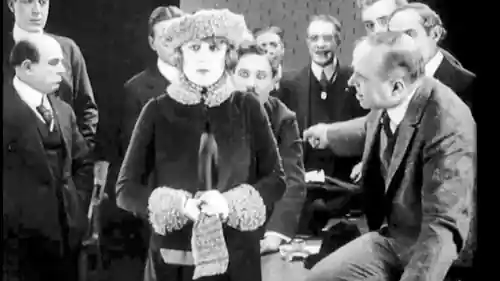
After a foreword introduces the question of whether women are temperamentally suited for jury duty, young shipping clerk Jim O'Neil is found holding a revolver over his dead employer, Edward Knox. Celebrated novelist Grace Norton, selected to be on the jury at Jim's trial, becomes New York's first female juror. Although Jim pleads innocence, he refuses to elaborate until his sweetheart Helen testifies that Knox raped her when she pleaded for Jim, who was fired unjustly, to be reinstated. Jim testifies that he intended to kill Knox but found him dead already. During an angry all-night deliberation, the jury remains deadlocked 11-to-1, with Grace voting against a guilty verdict. In the morning, when she learns that her sister Edith has died, Grace confesses to killing Knox for seducing Edith and failing to honor his promise of marriage. After the foreman reminds the jury of their oath to keep their proceedings secret, they agree not to reveal Grace's story, and vote to acquit Jim.
Decades after its release, The Woman Under Oath remains a vital piece of the cinematic puzzle. Its influence can be seen in countless modern works, solidifying John M. Stahl's status as a master of the craft in United States and beyond.