
DbcultAccessing Vault...
Director's Spotlight
Senior Film Conservator
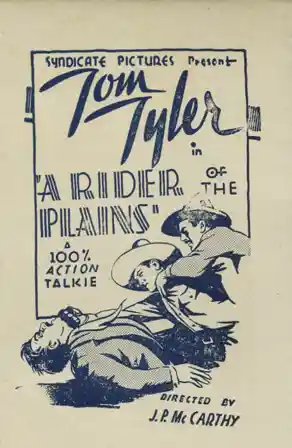
Director's Spotlight: United States
A Deep Dive into the 1931 Vision of John P. McCarthy
The enduring fascination with Rider of the Plains is a testament to the defining moment in Drama history that John P. McCarthy helped create. This film stands as a masterclass in visual storytelling, it has cemented its place in the global cult cinema archive.
In Rider of the Plains, John P. McCarthy pushes the boundaries of conventional narrative. The film's unique approach to its subject matter has sparked endless debates and interpretations among cinephiles and critics alike.
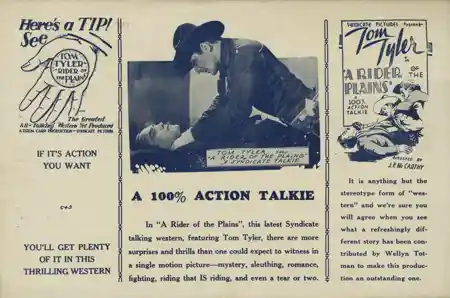
The visual language of Rider of the Plains is defined by its use of shadows and framing, a hallmark of John P. McCarthy's style. By utilizing a 1931-era palette, the film creates an immersive experience that perfectly complements its Drama themes.
| Cinematography | Handheld |
| Soundtrack | Experimental |
| Editing | Invisible |
| Art Direction | Kitsch |
Visualizing the convergence of John P. McCarthy's style and the core Drama narrative.
Blackie Saunders and his young partner Sandy arrive in Indian Springs where Blackie meets his old friend Jim whom he once rode with on the wrong side of the law. Jim is now the Parson but Blackie still carries the reputation of a killer. When the townspeople decide Blackie is not a fit guardian for the boy, Jim convinces Blackie to leave the boy with him. But just after Blackie leaves town, the express office is robbed and it is assumed Blackie did it.
Decades after its release, Rider of the Plains remains a vital piece of the cinematic puzzle. Its influence can be seen in countless modern works, solidifying John P. McCarthy's status as a master of the craft in United States and beyond.