
DbcultAccessing Vault...
Director's Spotlight
Senior Film Conservator
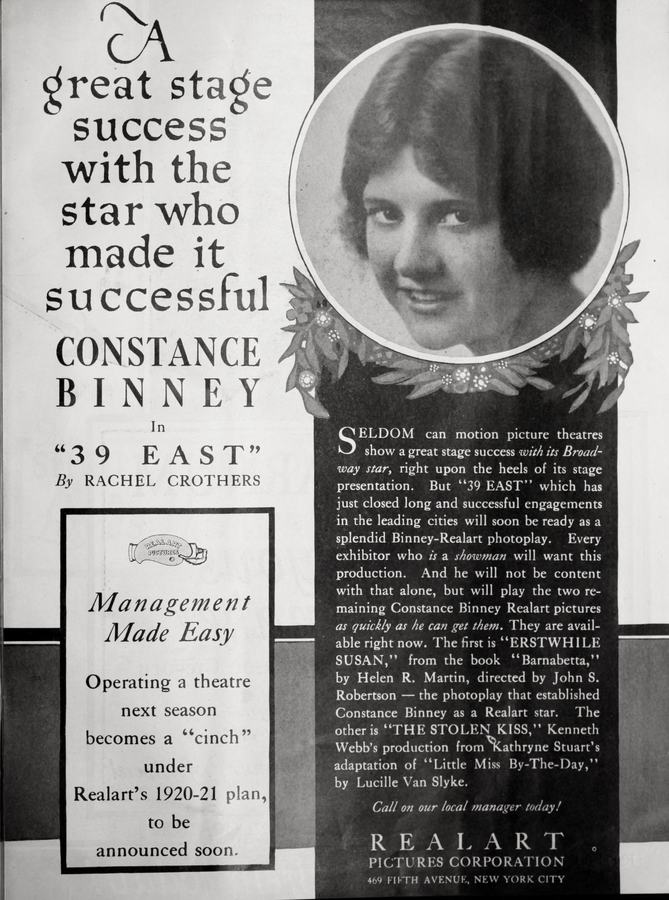
Director's Spotlight: United States
A Deep Dive into the 1920 Vision of John S. Robertson
The thematic gravity of 39 East (1920) is rooted in the artistic risks taken by John S. Robertson that eventually paid off. Defining a new era of United States artistic expression, it demands to be seen by anyone who cares about the art of film.
In 39 East, John S. Robertson pushes the boundaries of conventional narrative. The film's unique approach to its subject matter has sparked endless debates and interpretations among cinephiles and critics alike.
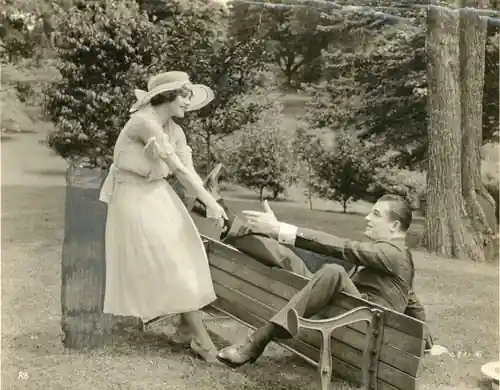
In this work, John S. Robertson explores the intersection of cult and United States cultural identity. The meticulous attention to detail suggests a deep-seated commitment to pushing the boundaries of the medium, ensuring that 39 East remains a relevant topic of study for cult enthusiasts.
| Cinematography | High-Contrast |
| Soundtrack | Orchestral |
| Editing | Slow-Burn |
| Art Direction | Brutalist |
Visualizing the convergence of John S. Robertson's style and the core cult narrative.
The eldest daughter of a poor preacher, Penelope Penn leaves her country home to seek her fortune in the big city. Taking a room in a boarding-house at 39 East, Penelope futilely searches for work as an actress until she secretly accepts a minor part in the chorus. Napoleon Gibbs, Jr., Penelope's fellow boarder, defends her good name against the criticism of other boarders who are scandalized by the girl's late hours. Penelope, having understudied the leading lady of the show, finally gets an opportunity to fill her role and scores a complete triumph. Napoleon, eager to congratulate her, waits backstage where he sees the stage manager escorting his new star home. When she arrives back at the boarding-house, Penelope explains to the crestfallen Napoleon that she has no interest in her stage manager. Napoleon then seizes upon the opportunity to propose, and is accepted.
Decades after its release, 39 East remains a vital piece of the cinematic puzzle. Its influence can be seen in countless modern works, solidifying John S. Robertson's status as a master of the craft in United States and beyond.