
DbcultAccessing Vault...
Director's Spotlight
Senior Film Conservator
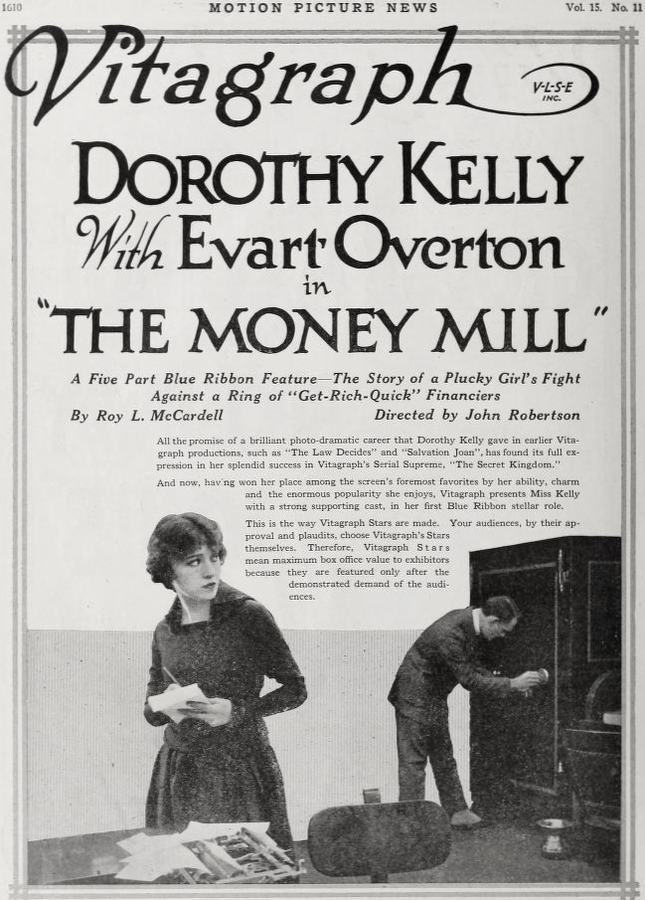
Director's Spotlight: United States
A Deep Dive into the 1917 Vision of John S. Robertson
Peeling back the layers of John S. Robertson's The Money Mill exposes the collaborative alchemy between John S. Robertson and the 1917 creative team. Anchored by a narrative that is both personal and universal, it reinforces the idea that cinema is a medium of infinite possibilities.
In The Money Mill, John S. Robertson pushes the boundaries of conventional narrative. The film's unique approach to its subject matter has sparked endless debates and interpretations among cinephiles and critics alike.
To fully appreciate The Money Mill, one must consider the cinematic climate of 1917. During this period, United States was undergoing significant artistic shifts, and John S. Robertson was at the forefront of this cult movement, often challenging established norms.
| Cinematography | Noir-Inspired |
| Soundtrack | Minimalist |
| Editing | Slow-Burn |
| Art Direction | Brutalist |
Visualizing the convergence of John S. Robertson's style and the core cult narrative.
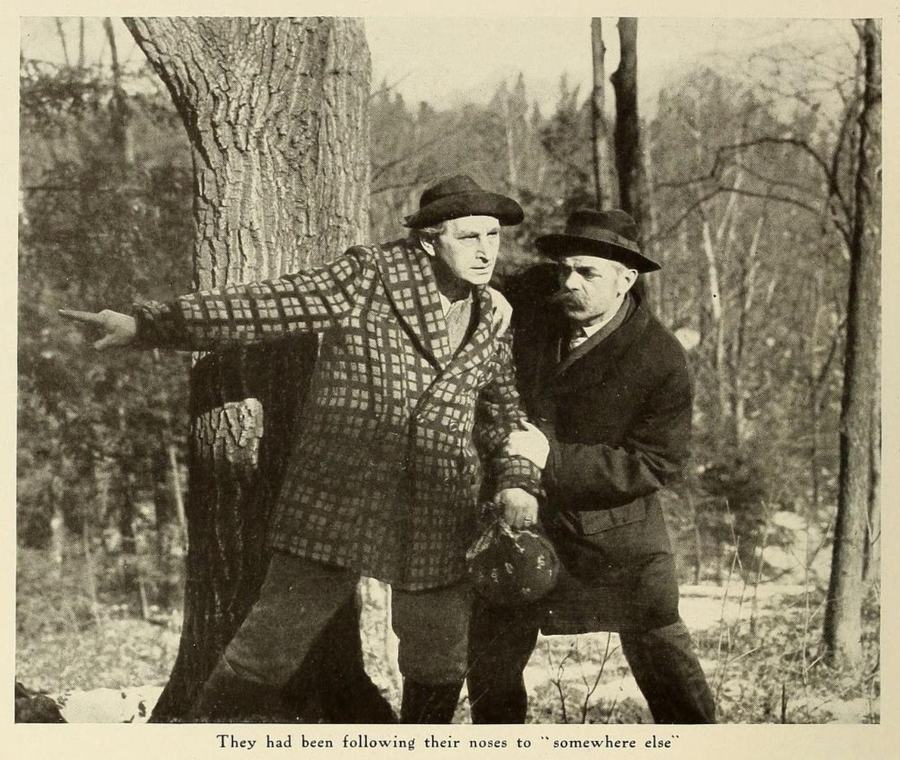
Having sold his share in a mine, Gregory Drake blows it up in pique when it turns out to be good, and disappears, leaving Helen Ogden sole owner, as her father was killed in the mine. Later, in New York, Helen is much sought because of her money. Dr. Granger, a worker among the poor, induces her to see his "family," as he calls the many in want. Helen becomes interested and is loved by the poor for her good deeds among them. She buys a pin from Jack Burton on the bread line. Later Dr. Granger secures him employment as a reporter. Jack loves Helen, and she begins to feel affection for him, but he realizes that her money stands between them. Richard Drake, Gregory's son, is operating a get-rich-quick investment scheme in New York when his father turns up. By changing the names on the old sales document Gregory has reserved, the swindlers are able to steal the mine from Helen. She feels that now she and Jack are on a plane, but Dr. Granger convinces her that they must both work to recover the mine. This Helen does by becoming a stenographer at the "Money Mill" and after many adventures she and Jack are united through Dr. Granger.
Decades after its release, The Money Mill remains a vital piece of the cinematic puzzle. Its influence can be seen in countless modern works, solidifying John S. Robertson's status as a master of the craft in United States and beyond.