
DbcultAccessing Vault...
Director's Spotlight
Senior Film Conservator
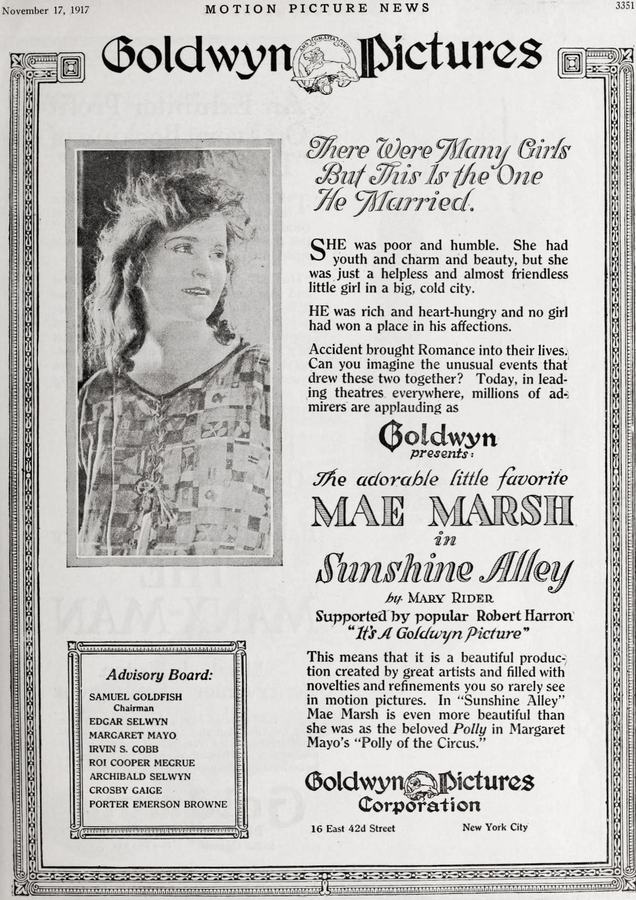
Director's Spotlight: United States
A Deep Dive into the 1917 Vision of John W. Noble
Few works in United States cinema carry the same weight as Sunshine Alley, especially regarding the cultural zeitgeist captured so perfectly by John W. Noble in 1917. Utilizing a 1917-specific aesthetic that remains timeless, it serves as a blueprint for future generations of cult directors.
In Sunshine Alley, John W. Noble pushes the boundaries of conventional narrative. The film's unique approach to its subject matter has sparked endless debates and interpretations among cinephiles and critics alike.
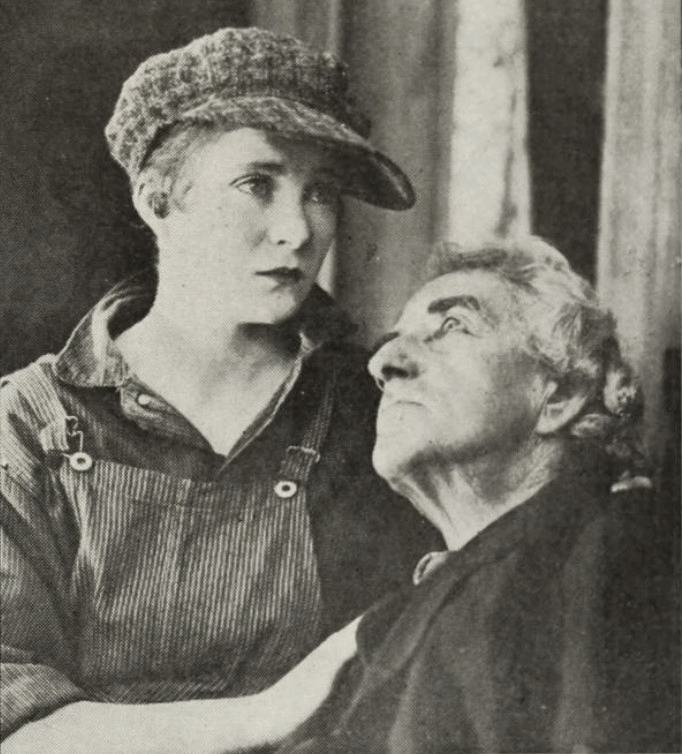
The visual language of Sunshine Alley is defined by its use of shadows and framing, a hallmark of John W. Noble's style. By utilizing a 1917-era palette, the film creates an immersive experience that perfectly complements its cult themes.
| Cinematography | Static |
| Soundtrack | Diegetic |
| Editing | Rhythmic |
| Art Direction | Naturalist |
Visualizing the convergence of John W. Noble's style and the core cult narrative.
In the poorest section of the city lives Nell, who spends her days at her grandfather's bird store, finding constant delight in the companionship of her feathered friends. One day Nell's grandfather is run over by a car driven by Mr. Morris, a millionaire, who offers to purchase a bullfinch at a large price in order to forestall a damage suit. When Nell's grandfather refuses to sell because the bird is his granddaughter's pet, the Morris' son Ned, impressed with Nell's charm, tells her to call if she is ever in need of assistance. It soon becomes evident that her grandfather is in need of expensive medical care, so Nell calls Ned and offers to sell the bird. Later the finch becomes ill and Nell is summoned to treat it. While she is at the house, Nell and Ned fall in love. Nell's happiness is clouded, however, when her misguided brother Carlo attempts to rob the Morris house. All ends happily, however, when through Nell's and Ned's devotion, Carlo is reformed and the grandfather receives the care he needs.
Decades after its release, Sunshine Alley remains a vital piece of the cinematic puzzle. Its influence can be seen in countless modern works, solidifying John W. Noble's status as a master of the craft in United States and beyond.