
DbcultAccessing Vault...
Director's Spotlight
Senior Film Conservator
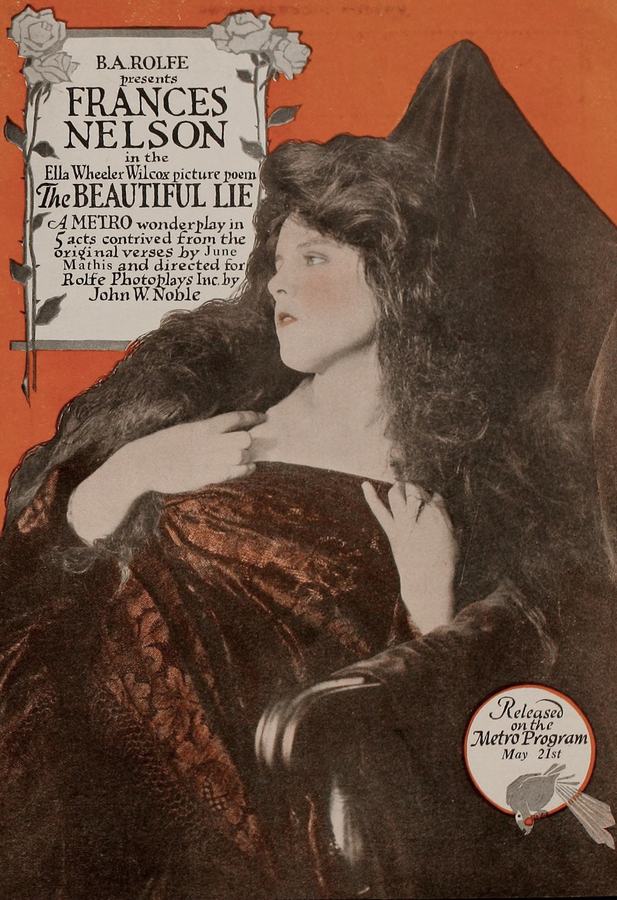
Director's Spotlight: United States
A Deep Dive into the 1917 Vision of John W. Noble
Exploring the cult underpinnings of The Beautiful Lie leads us to the uncompromising vision of John W. Noble that defines this cult masterpiece. Melding the raw energy of United States with a global cult appeal, it echoes the profound changes occurring in United States during that era.
In The Beautiful Lie, John W. Noble pushes the boundaries of conventional narrative. The film's unique approach to its subject matter has sparked endless debates and interpretations among cinephiles and critics alike.
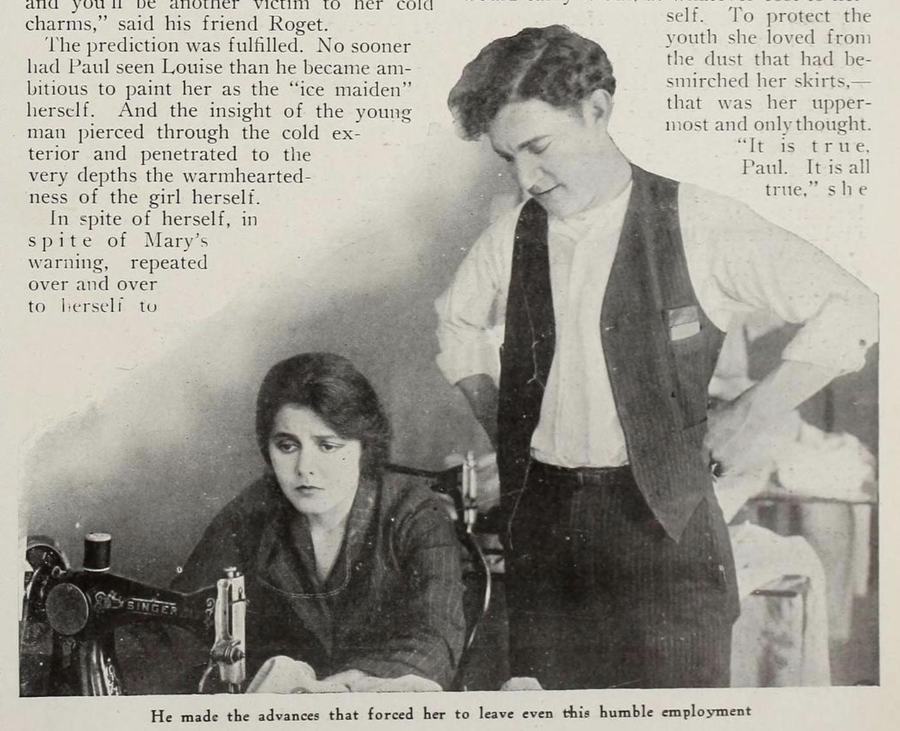
To fully appreciate The Beautiful Lie, one must consider the cinematic climate of 1917. During this period, United States was undergoing significant artistic shifts, and John W. Noble was at the forefront of this cult movement, often challenging established norms.
| Cinematography | Noir-Inspired |
| Soundtrack | Experimental |
| Editing | Invisible |
| Art Direction | Kitsch |
Visualizing the convergence of John W. Noble's style and the core cult narrative.
After a brief courtship, Louise Joyce is married to her employer, architect Mortimer Grierson, who soon tires of her and begins to see other women. One night, he comes home drunk and informs Louise that the marriage was a fraud, actually only a mock ceremony arranged by Grierson's nephew Howard Hayes, then deserts her for good. Louise becomes an artist's model, and while working she meets Paul Vivian, a protégé of her husband, and the two fall in love. Grierson discovers their relationship and tells Paul that Louise was his mistress. Soon after, Grierson is mortally wounded by one of his lovers and Howard returns from Mexico to visit his uncle's deathbed. As Grierson instructs Howard to put his affairs in order, Howard confesses that Louise's marriage is legal because in an effort to spite his uncle, he secured a real minister to perform the ceremony. After Grierson's death, Paul finds Louise and learns the true story, and together they begin a new life.
Decades after its release, The Beautiful Lie remains a vital piece of the cinematic puzzle. Its influence can be seen in countless modern works, solidifying John W. Noble's status as a master of the craft in United States and beyond.