
DbcultAccessing Vault...
Director's Spotlight
Senior Film Conservator
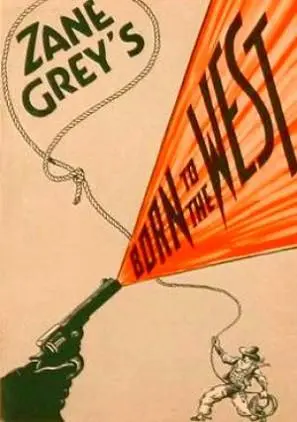
Director's Spotlight: United States
A Deep Dive into the 1926 Vision of John Waters
In the storied career of John Waters, Born to the West stands as a the provocative questions that John Waters poses to the United States audience. Elevating the source material through John Waters's unique vision, it persists as a haunting reminder of our own cinematic history.
In Born to the West, John Waters pushes the boundaries of conventional narrative. The film's unique approach to its subject matter has sparked endless debates and interpretations among cinephiles and critics alike.
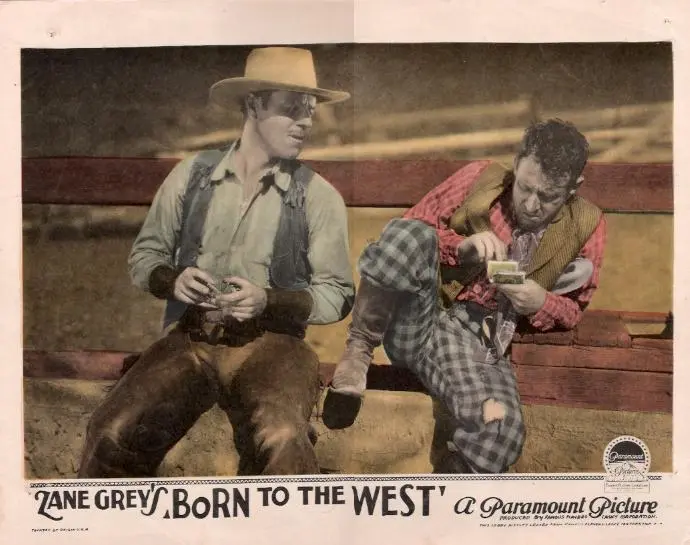
While deeply rooted in United States, Born to the West has achieved a global reach, influencing directors from various backgrounds. Its ability to translate Drama tropes into a universal cinematic language is why it remains a cult staple decades after its 1926 release.
| Cinematography | High-Contrast |
| Soundtrack | Diegetic |
| Editing | Elliptical |
| Art Direction | Expressionist |
Visualizing the convergence of John Waters's style and the core Drama narrative.
Dare Rudd and Bate Fillmore have been enemies since early childhood, primarily over the affections of Nell Worstall. Dare, assuming the name of Holt, goes west to Colorado, as does most of his Kentucky friends and enemies. The feud between Dare and Bate is renewed, and Dare learns that Nell's father is in jail on a trumped-up charge made by Bate in order to force Nell to marry him. Dare rescues Mr. Worstall but Nell has gone to Bate's home, supposedly on a note from Dare. The latter gathers the miners to help him and sets out to fight Bate and his hired gunmen.
Decades after its release, Born to the West remains a vital piece of the cinematic puzzle. Its influence can be seen in countless modern works, solidifying John Waters's status as a master of the craft in United States and beyond.