
DbcultAccessing Vault...
Director's Spotlight
Senior Film Conservator
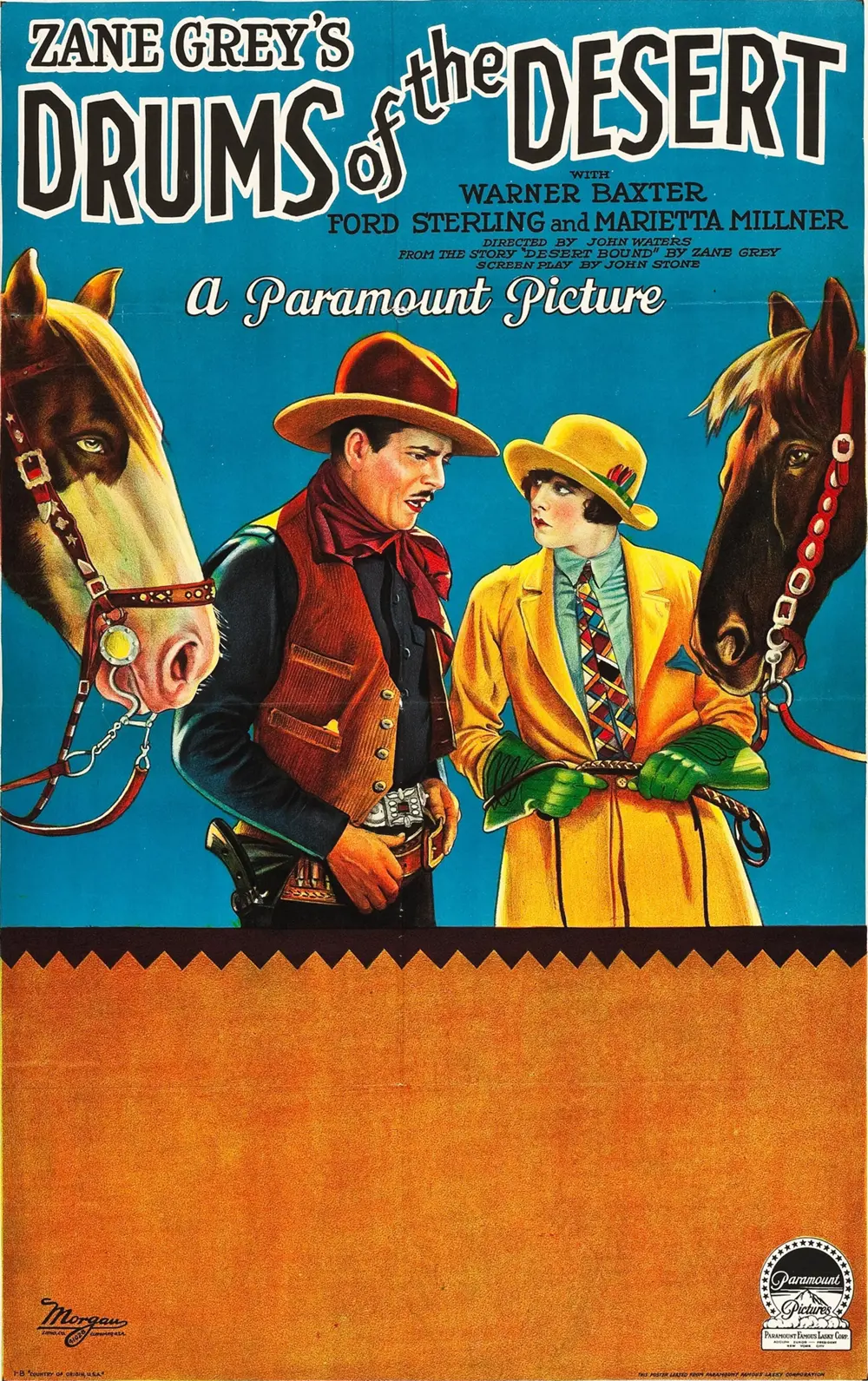
Director's Spotlight: United States
A Deep Dive into the 1927 Vision of John Waters
The brilliance of Drums of the Desert (1927) is inseparable from a monumental shift in Drama filmmaking spearheaded by John Waters. Occupying a unique space between Drama and pure art, it serves as a blueprint for future generations of Drama directors.
In Drums of the Desert, John Waters pushes the boundaries of conventional narrative. The film's unique approach to its subject matter has sparked endless debates and interpretations among cinephiles and critics alike.
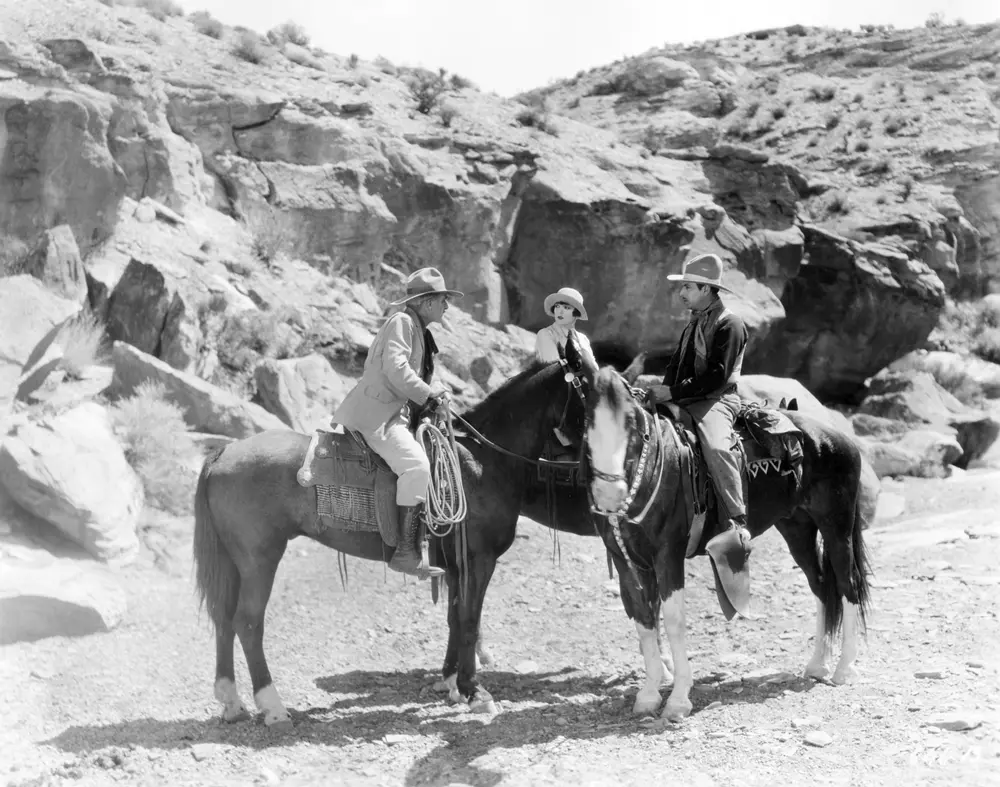
In this work, John Waters explores the intersection of Drama and United States cultural identity. The meticulous attention to detail suggests a deep-seated commitment to pushing the boundaries of the medium, ensuring that Drums of the Desert remains a relevant topic of study for Drama enthusiasts.
| Cinematography | Noir-Inspired |
| Soundtrack | Experimental |
| Editing | Invisible |
| Art Direction | Kitsch |
Visualizing the convergence of John Waters's style and the core Drama narrative.
Chief Brave Bear and his people gather at the Navajo reservation to confront a problem: A group of men, headed by Will Newton, seeks to force them off their lands. Desert rats Perkins and Hi-Lo encounter Professor Elias Manton and his daughter, Mary, who hire them as guides. The group meets John Curry, a friend of the Navajo, whose cordiality arouses their suspicion. Newton makes an unsuccessful attempt to dissuade the Manton team from continuing its work in the desert while casting aspersions on John. However, John proves himself by rescuing the kidnapped professor from Newton's men. While the gang attempts to seize Navajo oil claims, Brave Bear leads his people in defense of their sacred altars. John tries to defuse the situation but is shot and wounded by Newton. The U.S. Cavalry arrives and places the Newton gang under arrest. Mary comes to admire John and they fall in love.
Decades after its release, Drums of the Desert remains a vital piece of the cinematic puzzle. Its influence can be seen in countless modern works, solidifying John Waters's status as a master of the craft in United States and beyond.