
DbcultAccessing Vault...
Director's Spotlight
Senior Film Conservator
Director's Spotlight: United States
A Deep Dive into the 1926 Vision of John Waters
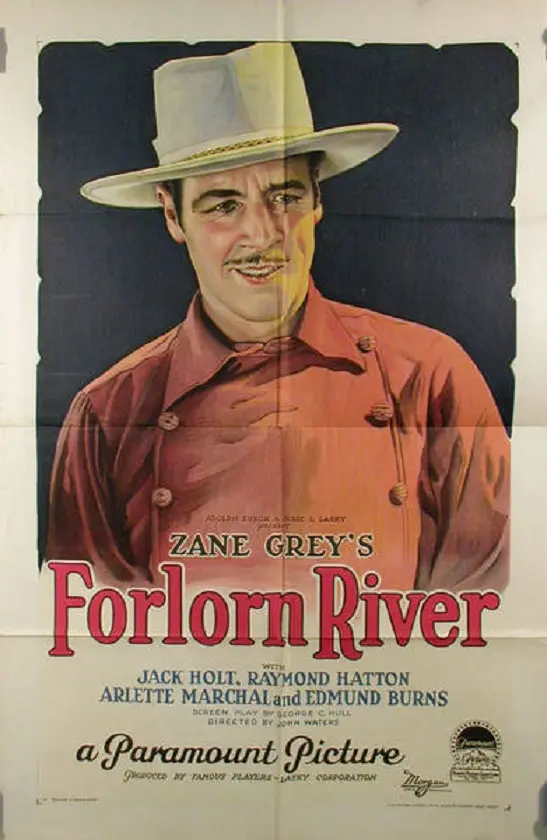
Under the meticulous guidance of John Waters, Forlorn River became the cultural zeitgeist captured so perfectly by John Waters in 1926. Driven by an uncompromising commitment to Western excellence, it remains a vital reference point for anyone studying the evolution of John Waters.
In Forlorn River, John Waters pushes the boundaries of conventional narrative. The film's unique approach to its subject matter has sparked endless debates and interpretations among cinephiles and critics alike.
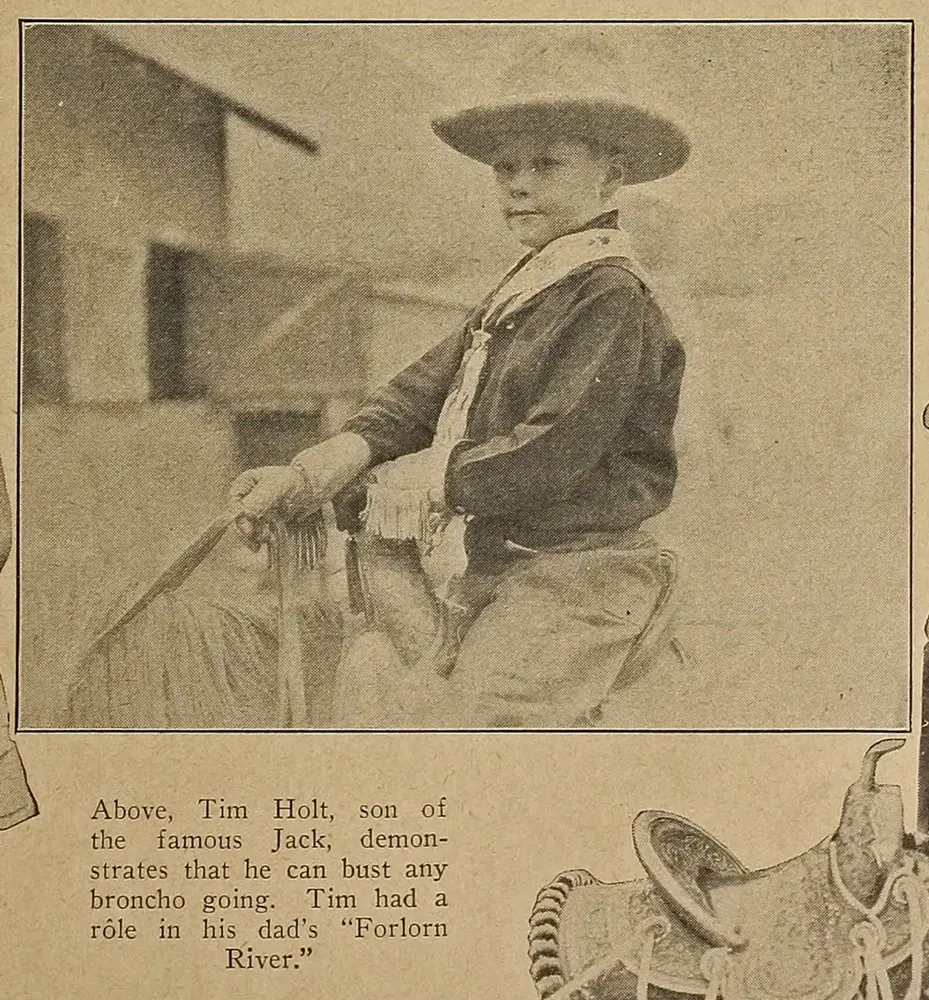
To fully appreciate Forlorn River, one must consider the cinematic climate of 1926. During this period, United States was undergoing significant artistic shifts, and John Waters was at the forefront of this Western movement, often challenging established norms.
| Cinematography | Deep Focus |
| Soundtrack | Orchestral |
| Editing | Invisible |
| Art Direction | Kitsch |
Visualizing the convergence of John Waters's style and the core Western narrative.
A wanted-fugitive, called "Nevada," is wounded by a pursuing posse of lawmen, and is left to die on the desert by his companion, Bill Hall. He is rescued by a young rancher, Ben Ide, who is in love with Ina Blaine, daughter of a neighboring rancher. While "Nevada" is recovering, he and Ina fall in love but, through his loyalty to Ben, he sends her away. Going home, Ina falls into the clutches of Bill Hall, now heading a gang of rustlers, but the real leader is Les Setter who is posing as an honest rancher, and he has designs on Ina himself.
Decades after its release, Forlorn River remains a vital piece of the cinematic puzzle. Its influence can be seen in countless modern works, solidifying John Waters's status as a master of the craft in United States and beyond.