
DbcultAccessing Vault...
Director's Spotlight
Senior Film Conservator
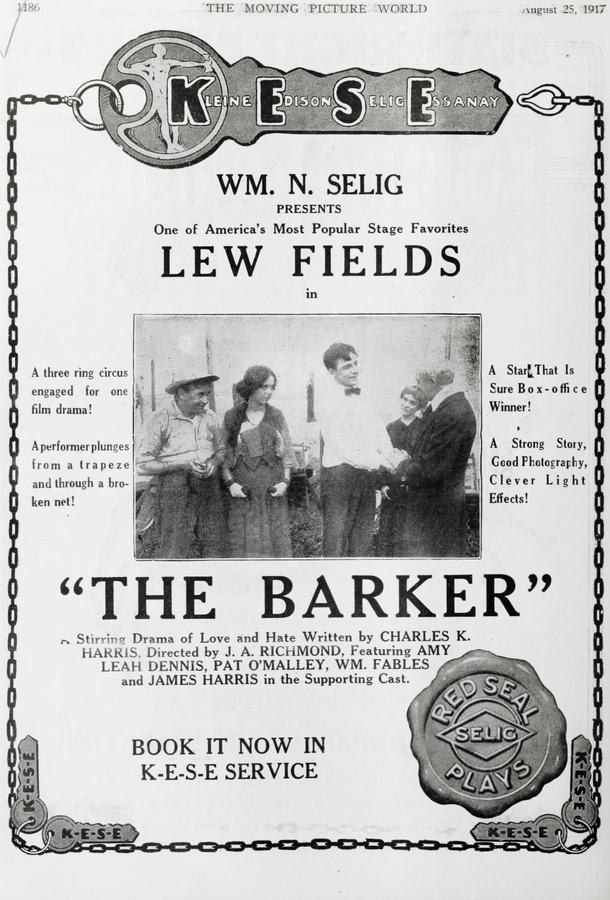
Director's Spotlight: United States
A Deep Dive into the 1917 Vision of Joseph A. Richmond
As we revisit the 1917 masterpiece The Barker, we are struck by the meticulous attention to detail that Joseph A. Richmond applied to every frame. Anchored by a narrative that is both personal and universal, it bridges the gap between traditional cult and contemporary vision.
In The Barker, Joseph A. Richmond pushes the boundaries of conventional narrative. The film's unique approach to its subject matter has sparked endless debates and interpretations among cinephiles and critics alike.
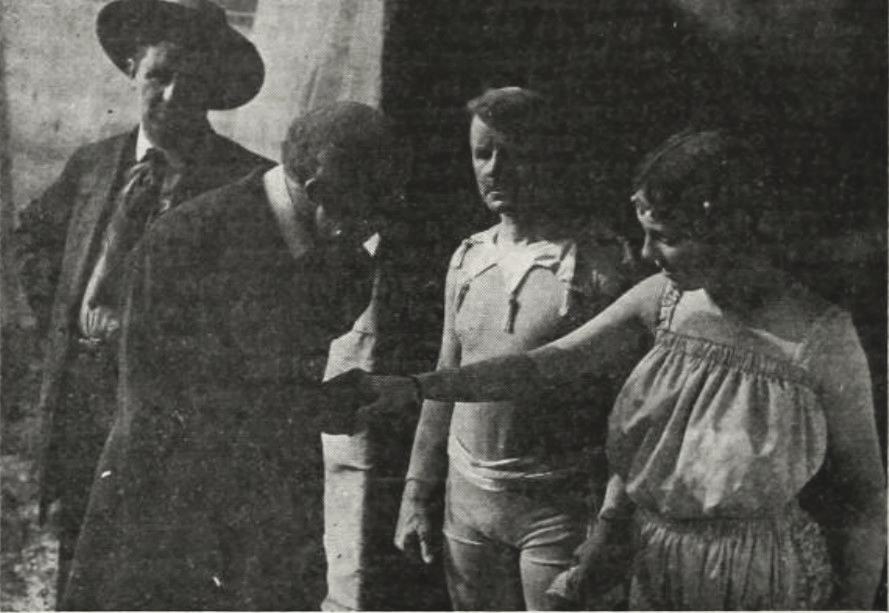
To fully appreciate The Barker, one must consider the cinematic climate of 1917. During this period, United States was undergoing significant artistic shifts, and Joseph A. Richmond was at the forefront of this cult movement, often challenging established norms.
| Cinematography | Noir-Inspired |
| Soundtrack | Synth-Heavy |
| Editing | Rhythmic |
| Art Direction | Naturalist |
Visualizing the convergence of Joseph A. Richmond's style and the core cult narrative.
Leo Fielding, a professor of languages, reluctantly goes with his younger brother Henri to an anarchists' meeting. In black robes and masks, members draw ballots to choose someone to assassinate the prince. When the police raid, Leo says that he induced Henri to attend. Banished, Leo goes to America, sadly leaving his baby Floria with Henri. Five years later, Henri's wife Dulcine, wanting Floria's inheritance, urges Henri to send their niece to Leo with Count DeGrasse, the anarchist leader, whom she has secretly paid to kill the girl en route. After learning of Floria's supposed drowning, Leo loses interest in life. Years later he becomes a circus barker and makes friends with the aerialist, in reality his daughter Floria, whom DeGrasse, the ringmaster, has forced to support him. After Floria refuses to marry manager Lemuel Salter, owner Wilfred Wells, masquerading as a stenographer to investigate graft, falls in love with her and thrashes Salter. In revenge, Salter pours acid on the safety net, but DeGrasse performs before Floria and is killed. Before dying, DeGrasse reveals Floria's identity. Now reconciled with Leo, Floria marries Wilfred.
Decades after its release, The Barker remains a vital piece of the cinematic puzzle. Its influence can be seen in countless modern works, solidifying Joseph A. Richmond's status as a master of the craft in United States and beyond.