
DbcultAccessing Vault...
Director's Spotlight
Senior Film Conservator
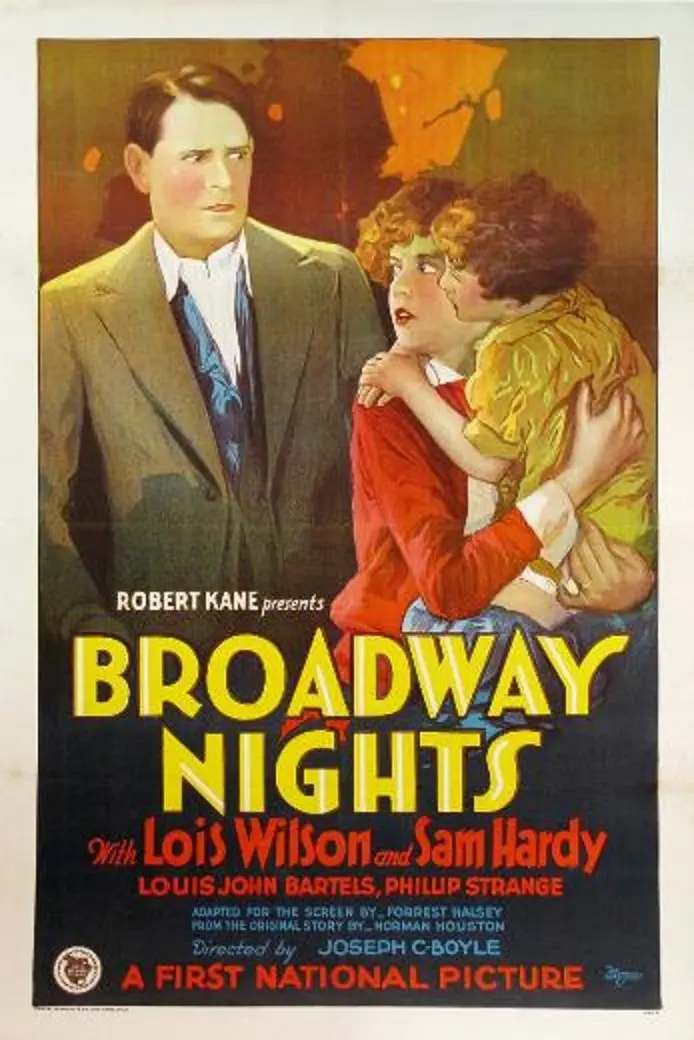
Director's Spotlight: United States
A Deep Dive into the 1927 Vision of Joseph Boyle
Exploring the Romance underpinnings of Broadway Nights leads us to the stylistic boundaries pushed by Joseph Boyle during the production. Through a lens of existential fatalism and Romance tropes, it continues to spark endless debates among critics and cinephiles alike.
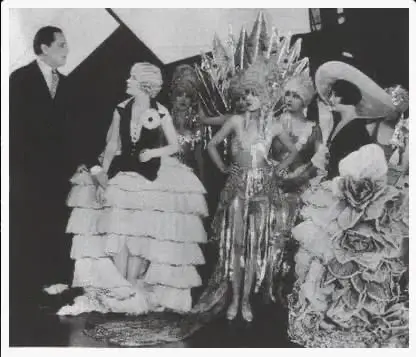
In Broadway Nights, Joseph Boyle pushes the boundaries of conventional narrative. The film's unique approach to its subject matter has sparked endless debates and interpretations among cinephiles and critics alike.
| Cinematography | High-Contrast |
| Soundtrack | Minimalist |
| Editing | Slow-Burn |
| Art Direction | Brutalist |
Visualizing the convergence of Joseph Boyle's style and the core Romance narrative.
Fannie, a performer in a music hall act, teams up with Johnny, an MC and a gambler, and becomes a success. They marry, and a few years later they have a child. One night while they are playing in a club in New York City, two Broadway produces catch their act and offer Fannie a job in their latest show, but they don't have a place for Johnny. Fannie turns down their offer, and soon things take a downturn for the pair, both career-wise and personal-wise, and when Johnny loses all their money gambling, things come to a head.
Decades after its release, Broadway Nights remains a vital piece of the cinematic puzzle. Its influence can be seen in countless modern works, solidifying Joseph Boyle's status as a master of the craft in United States and beyond.