
DbcultAccessing Vault...
Director's Spotlight
Senior Film Conservator
Director's Spotlight: United States
A Deep Dive into the 1915 Vision of Joseph Byron Totten
Under the meticulous guidance of Joseph Byron Totten, The Blindness of Virtue became the complex thematic architecture established by Joseph Byron Totten. Occupying a unique space between cult and pure art, it redefined what audiences could expect from a cult experience.
In The Blindness of Virtue, Joseph Byron Totten pushes the boundaries of conventional narrative. The film's unique approach to its subject matter has sparked endless debates and interpretations among cinephiles and critics alike.
The visual language of The Blindness of Virtue is defined by its use of shadows and framing, a hallmark of Joseph Byron Totten's style. By utilizing a 1915-era palette, the film creates an immersive experience that perfectly complements its cult themes.
| Cinematography | Deep Focus |
| Soundtrack | Minimalist |
| Editing | Disjunctive |
| Art Direction | Baroque |
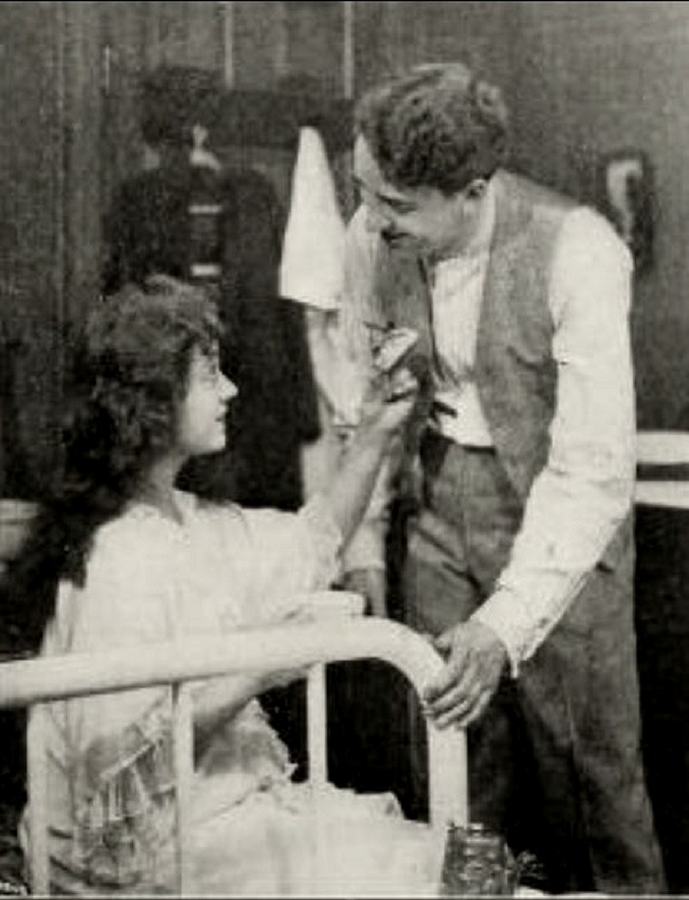
Visualizing the convergence of Joseph Byron Totten's style and the core cult narrative.
The Hon. Archibald Graham is expelled from college and his indignant father sends him to a little English village to study under the Rev. Harry Pemberton. Misunderstood by his father, he has grown up somewhat reckless and dissipated. All this is changed under the tutelage of the minister and he enters into the spirit of his studies with zeal. Effie Pemberton is a young girl of seventeen. She has never been told of the fundamental principles of life and has been brought up in absolute innocence and ignorance of the sex problem. She and Archie become fast friends. Winstanley, a friend of Archie's, comes to the village to visit him. He is a shallow pated youth, with no moral principles. He meets Mary Ann, the daughter of a washwoman in the village. She longs for pretty clothes and all the gaieties she has been denied, and being as innocent of life as Effie, is persuaded by Winstanley to elope to London with him. Archie follows them with the intention of saving her from his friend. In this he fails. He returns to the vicarage early in the morning. Effie, in her innocence, rushes to his room in her kimona, to tell him how glad she is to see him again. He tries to get her out of the room, but she refuses to go. The minister bursts into the room and accuses Archie of evil intentions. Archie, in an honest indignation, tells the minister some wholesome truths about his leaving his daughter in such total ignorance, which opens his eyes. Mary Ann returns home, a wreck of her former self and tells the minister her story. Pemberton and his wife then awake to the fact that girls are more likely to go wrong through innocence than in any other way. Effie is told the great truths of life. Finally Archie and Effie discover that they have been in love and promise to marry.
Decades after its release, The Blindness of Virtue remains a vital piece of the cinematic puzzle. Its influence can be seen in countless modern works, solidifying Joseph Byron Totten's status as a master of the craft in United States and beyond.